
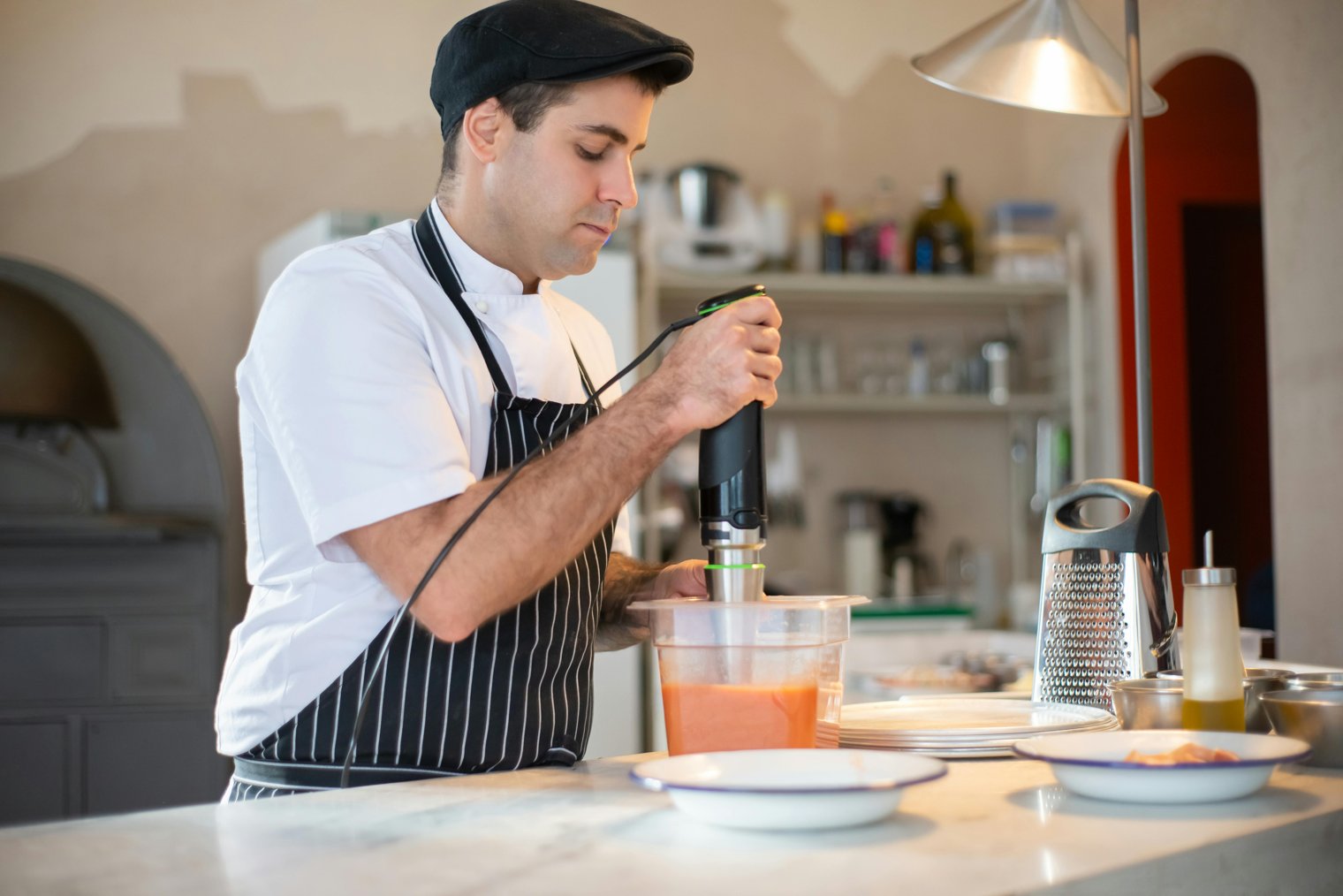
Creating culinary masterpieces with every dish where passion meets perfection.
Being a professional chef in a fine dining restaurant is a fast-paced and high-pressure job that demands precision, creativity, and a deep love for food. From early mornings spent preparing fresh ingredients to the final moments before a dish is served to a guest, the day is filled with challenges and triumphs. In this scenario, we dive into the life of a chef working in a top-tier restaurant, balancing artistry and professionalism in the kitchen.
6:00 AM: Arrive at the restaurant early to prep for the day, ensuring all ingredients are ready for cooking.
8:00 AM: Begin cooking the first orders, managing multiple stations and maintaining high-quality standards.
12:00 PM: Lunch rush, coordinating with the kitchen staff and plating dishes quickly and efficiently.
4:00 PM: A break for dinner prep, reviewing the evening’s special menu and gathering fresh ingredients.
8:00 PM: Dinner service, ensuring every dish is perfect, maintaining high energy, and overseeing the kitchen’s operations.
Florence, Italy: Known for its authentic Italian cuisine and fine wines.
Barcelona, Spain: A city rich in tapas and Mediterranean flavors.
Copenhagen, Denmark: Home to world-famous Noma, a leader in New Nordic cuisine.
Melbourne, Australia: A culinary haven with a focus on multicultural and sustainable dishes.
Lima, Peru: A hotspot for fresh seafood and inventive dishes.
Rio de Janeiro, Brazil: Rich, flavorful Brazilian dishes with an emphasis on fresh, local ingredients.
Dubai, UAE: Luxury dining experiences, blending modern and traditional Middle Eastern flavors.
Hong Kong: Cantonese cuisine and a thriving international food scene.
Los Angeles, USA: A fusion of global influences and innovative cooking techniques.
Montreal, Canada: A city with rich French culinary traditions and a thriving food scene.
London, UK: A melting pot of diverse food cultures and Michelin-starred restaurants.
Bangkok, Thailand: A city of street food vendors offering authentic Thai flavors.
Vancouver, Canada: A hub for sustainable dining and farm-to-table restaurants.
Kyoto, Japan: Traditional kaiseki meals, embodying the art of Japanese fine dining.
Seoul, South Korea: Innovative dishes with traditional Korean flavors and global influences.
Mexico City, Mexico: Authentic Mexican cuisine with modern twists and elevated street food.
Athens, Greece: Mediterranean cuisine with an emphasis on fresh, local ingredients.
Marrakech, Morocco: Known for its flavorful and aromatic Moroccan tagines and spices.
Amsterdam, Netherlands: A city with a growing culinary scene focused on fresh and organic dishes.
Cape Town, South Africa: A destination for fresh seafood, rich meats, and bold flavors.
Napa Valley, USA: Famous for its wine-pairing restaurants and high-end dining experiences.
Lisbon, Portugal: Rich seafood dishes and delicious Portuguese pastries.
Sydney, Australia: A coastal city offering fresh seafood and modern cuisine.
Chicago, USA: Known for its diverse culinary offerings and gourmet deep-dish pizza.
Istanbul, Turkey: A fusion of Middle Eastern and Mediterranean flavors.
Creativity, culinary excellence, tradition, passion, innovation
1. Michelin: Michelin Star Restaurants
2. UberEats: Food Delivery Service
3. DoorDash: Food Delivery Service
4. Grubhub: Restaurant Ordering System
5. Yelp: Restaurant Reviews
6. OpenTable: Reservation System
7. Blue Apron: Meal Delivery Service
8. Amazon Fresh: Grocery Delivery
9. Instacart: Grocery Delivery Service
10. Postmates: Delivery Service
11. Cooking Light: Recipe Platform
12. FreshDirect: Grocery Delivery
13. MasterClass: Cooking Courses
14. Food Network: Culinary TV Channel
15. Bon Appétit: Food Magazine
16. AllRecipes: Recipe Sharing Platform
17. Bluestone Lane: Café Chain
18. Green Chef: Organic Meal Delivery
19. Blue Bottle Coffee: Coffee Roasters
20. Traeger Grills: Grill Equipment
21. KitchenAid: Kitchen Appliances
22. Le Creuset: Cookware
23. Yeti: Outdoor Equipment for Chefs
24. All-Clad: Cookware
25. Cuisinart: Kitchen Equipment
26. Vitamix: Blenders for Professional Kitchens
27. Weber Grills: Grill Equipment
28. Calphalon: Cookware
29. Lodge: Cast Iron Cookware
30. Sur La Table: Kitchen Store
31. Peet’s Coffee: Coffee Roasters
32. Nestlé: Food Supplier
33. Whole Foods: Organic Groceries
34. Dominos: Pizza Delivery
35. Starbucks: Coffee House
36. Dunkin': Coffee House
37. Grubhub: Restaurant Delivery
38. Uber: Transportation for Delivery
39. MealPal: Lunch Subscription Service
40. Gousto: Meal Kit Service
41. H&M: Apparel for Chefs
42. Nordstrom: Apparel for Chefs
43. Lowe’s: Kitchen Appliance Store
44. Home Depot: Kitchen Tools
45. Crate and Barrel: Homeware Store
46. Target: Grocery and Kitchen Supplies
47. Costco: Wholesale Groceries
48. Bon Appétit: Recipe Inspiration
49. HelloFresh: Meal Kit Delivery
50. Martha Stewart: Cooking and Lifestyle Brand
1. Amazon: Buy essential kitchen appliances.
2. Grubhub: Set up delivery options for your restaurant.
3. OpenTable: Set up a reservation system for the restaurant.
4. UberEats: Partner with UberEats for increased delivery options.
5. Yelp: Add your restaurant to Yelp for customer reviews.
6. Blue Apron: Learn new cooking techniques and recipes.
7. MasterClass: Take professional cooking courses.
8. DoorDash: Register for food delivery services.
9. Instacart: Order groceries for your restaurant.
10. Google Maps: Add your restaurant for easy customer location.
• High-Quality Kitchen Equipment:
• Fresh, Local Ingredients:
• Menu Planning Software:
• Reliable POS System:
• Staff Uniforms:
• Recipe Cards and Cookbooks:
• Marketing Materials:
• A Solid Online Presence:
• Customer Reviews and Testimonials:
• Scheduling and Time Management Tools:
• KitchenAid Stand Mixer – Essential for dough and batter prep.
• Le Creuset Dutch Oven – Durable cookware for slow-cooked dishes.
• Yeti Cooler – Keeps ingredients fresh for mobile chefs.
• Traeger Wood Pellet Grill – Adds unique flavors to grilled dishes.
• Vitamix Blender – A must-have for smooth sauces and soups.
• High Start-Up Costs: Restaurant equipment can be expensive.
• Unpredictable Hours: Restaurant life can be demanding, with late hours.
• Staff Turnover: High turnover rates can impact kitchen efficiency.
• Customer Complaints: Handling unhappy customers can be stressful.
• Health and Safety Regulations: Navigating the legal side of the business can be complicated.
• Market Competition: The restaurant industry is highly competitive.
• Equipment Maintenance: Regular maintenance and repairs can be costly.
• Regular Staff Training: Ensure your team is well-trained.
• Stay Organized: Keep the kitchen running smoothly with systems in place.
• Create Consistent Menus: Update the menu regularly to keep things fresh.
• Monitor Inventory: Keep track of ingredients and stock.
• Customer Engagement: Build relationships with regular customers.
• Experiment with New Recipes: Keep the menu exciting by trying new dishes.
• Keep Up with Industry Trends: Stay informed about the latest food trends.
• Expand to Multiple Locations: Open new restaurants in other cities.
• Sell the Restaurant: Sell to a larger chain or interested buyer.
• Transition to Catering: Shift the focus from restaurant service to catering.
• Franchise the Brand: Create a franchise model for your restaurant.
• Start a Cooking School: Teach aspiring chefs your techniques.
Events
You must log in to add an event.
Events for this Scenario
No events found for this scenario yet.
Experiences
Please log in to share your experience.