
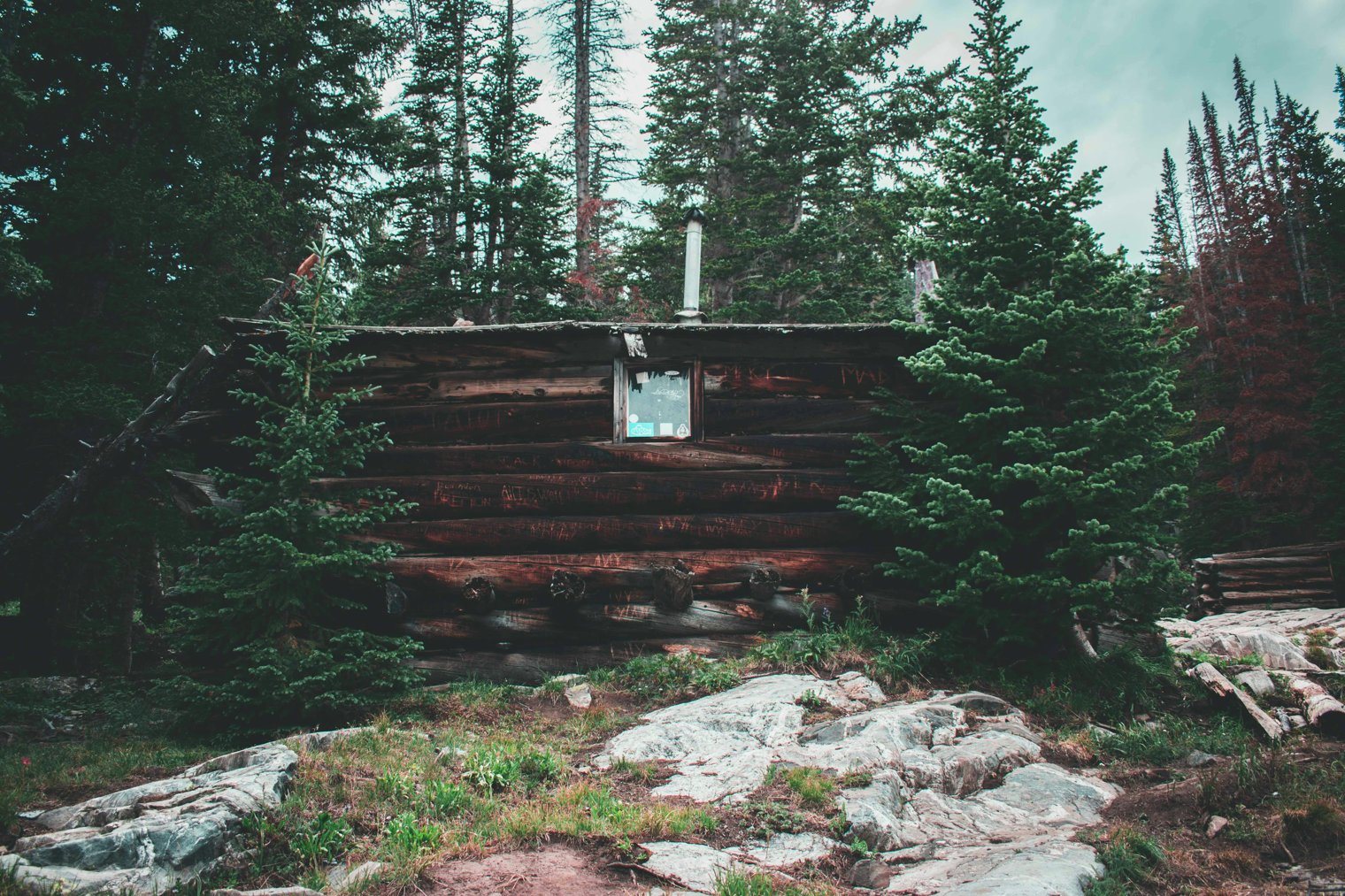
Surviving in the wild creating a safe haven out of nature.
Building a shelter in the woods is a critical survival skill, whether you're hiking, camping, or lost in the wild. Knowing how to quickly and efficiently build a shelter can be the difference between comfort and danger. From using natural resources to selecting the right site, the process of shelter building connects you to nature’s raw materials. This scenario walks you through selecting a spot, gathering resources, and constructing a functional shelter.
8:00 AM: You set off on a hike and realize you need to build a shelter for the night.
8:30 AM: After finding a suitable location near a stream, you begin scouting for materials.
9:00 AM: You gather fallen branches and start building the frame of your shelter.
9:30 AM: The shelter starts taking shape as you add leaves, moss, and foliage for insulation.
10:00 AM: Your shelter is complete, providing a sturdy and weather-resistant refuge.
Overview: A coastal and forested park offering various shelter-building opportunities.:
Landmarks: Hurricane Ridge, Hoh Rain Forest.:
Tips: Choose a location away from deadfall and low-lying areas prone to flooding.:
Overview: Forested terrain with plenty of resources for shelter-building.:
Landmarks: Skyline Drive, Old Rag Mountain.:
Tips: Look for fallen trees and branches that can be used for a solid frame.:
Yellowstone National Park (Wyoming/Montana/Idaho)
Overview: A diverse park where building a shelter may be necessary during backcountry exploration.:
Landmarks: Lamar Valley, Old Faithful.:
Tips: Opt for a location near a water source but not too close to avoid flooding.:
Yosemite National Park (California): Perfect place for building a shelter with access to natural materials.
Grand Canyon National Park (Arizona): Desert shelter-building, using available rocks and foliage.
Glacier National Park (Montana): Rocky terrain for strong shelter foundations.
Acadia National Park (Maine): Coastal woods with ample building materials.
Mount Hood National Forest (Oregon): Forested areas with a variety of suitable trees and branches.
Denali National Park (Alaska): For building shelters in harsh, cold conditions.
Saguaro National Park (Arizona): Desert shelter-building using cacti and rocks.
Great Smoky Mountains National Park (Tennessee/North Carolina): Dense forests for shelter-building.
Rocky Mountain National Park (Colorado): Alpine shelter-building, using logs and stones.
Joshua Tree National Park (California): Desert shelter options using dry leaves and brush.
Shenandoah National Park (Virginia): Ideal for shelters built from tree limbs and pine needles.
Olympic National Park (Washington): Wet and dense forests offering shelter-building opportunities.
Custer State Park (South Dakota): Plenty of fallen trees for shelter-building.
Bryce Canyon National Park (Utah): Rocky terrain with shelter-building options.
Mount Rainier National Park (Washington): A mix of dense forest and alpine areas for shelter-building.
Everglades National Park (Florida): Wetland areas for temporary shelters.
Banff National Park (Canada): Cold, rugged terrain perfect for sturdy shelter construction.
Sequoia National Park (California): Utilize fallen branches and pine needles for an insulating shelter.
Lassen Volcanic National Park (California): For volcanic terrain shelters.
Red Rock Canyon National Conservation Area (Nevada): Desert shelters, using available rock formations.
Adirondack Mountains (New York): Shelters made from logs, leaves, and pine boughs.
Big Bend National Park (Texas): Desert shelter-building with limited resources.
Death Valley National Park (California): Building shelters in arid, desert conditions.
Zion National Park (Utah): Rocky formations and trees for constructing a shelter.
Great Basin National Park (Nevada): For shelter-building in mountainous terrain.
Survival Skills, Wilderness Exploration, Resourcefulness, Self-Sufficiency, Nature Connection
1. REI: Outdoor Gear, Shelter Kits
2. Amazon: Camping Gear and Shelter Resources
3. The North Face: Shelter Tents and Clothing
4. Outdoor Research: Outdoor Apparel
5. Cabela’s: Survival and Shelter Equipment
6. Academy Sports + Outdoors: Shelter Tools
7. Walmart: Camping Gear
8. Dick’s Sporting Goods: Shelter Building Equipment
9. Backcountry: Shelter Gear
10. Patagonia: Outdoor Gear
1. Amazon (Shelter-building tools and materials)
2. REI (Outdoor camping shelters and tools)
3. Walmart (Camping and shelter supplies)
4. Home Depot (Lumber and tarp for shelters)
5. Cabela’s (Shelter building kits)
6. Dick’s Sporting Goods (Outdoor survival gear)
7. Lowe’s (Shelter materials and tarps)
8. Outdoor Retailers (Specialized survival shelters)
9. Target (Portable shelters and tools)
10. Best Buy (Survival gear and solar-powered tools)
• Shelter Materials (Logs, branches, tarp):
• First Aid Kit (for minor injuries during construction):
• Survival Knife (for cutting branches and rope):
• Waterproof tarp (for covering shelters):
• Compass/GPS (for navigation):
• Camping Stove (for heating food or water):
• Sleeping Bag (for overnight stays):
• Gloves (for protection while building):
• Water Bottles (for hydration):
• Extra Layers (for warmth):
• Coleman Instant Tent (for quick shelter setup)
• LifeStraw (Portable Water Filter for wilderness)
• Gerber StrongArm Knife (for shelter building)
• The North Face 2-Person Tent (Portable shelter)
• Sea to Summit Sleeping Bag (for warmth)
• Time-Consuming: Building a shelter can take longer than expected.
• Weather Conditions: Rain, snow, or extreme temperatures can make shelter-building challenging.
• Limited Resources: Not all locations provide the ideal materials for shelter construction.
• Fatigue: Shelter-building is a physically demanding task.
• Safety: Constructing a shelter in a hurry can lead to poor designs or accidental injuries.
• Inexperience: Those new to shelter-building might struggle with the design process.
• Exposure: Without a proper shelter, you may be exposed to the elements.
• Always Build in Safe Locations: Avoid building near dead trees or unstable ground.
• Keep Tools Handy: Carry essential survival tools like a knife and rope.
• Stay Calm and Focused: Shelter-building requires patience and attention to detail.
• Be Resourceful: Use the materials available to their full potential.
• Consider Future Needs: Plan for weather changes and overnight comfort.
• Check for Shelter Security: Ensure the shelter is sturdy before resting.
• Gather Resources Early: Don’t wait until the last minute to start collecting materials.
• Move to a Different Area: If the shelter is not comfortable or functional, consider relocating.
• Reinforce the Shelter: Add more layers or supports if the shelter isn’t secure.
• Seek Help: If the shelter-building task becomes too difficult, ask for assistance.
• Transition to Permanent Shelter: If on an extended trip, consider transitioning to a more permanent setup.
• Break Down the Shelter: When it’s time to move on, carefully dismantle and leave no trace.
Events
You must log in to add an event.
Events for this Scenario
No events found for this scenario yet.
Experiences
Please log in to share your experience.