
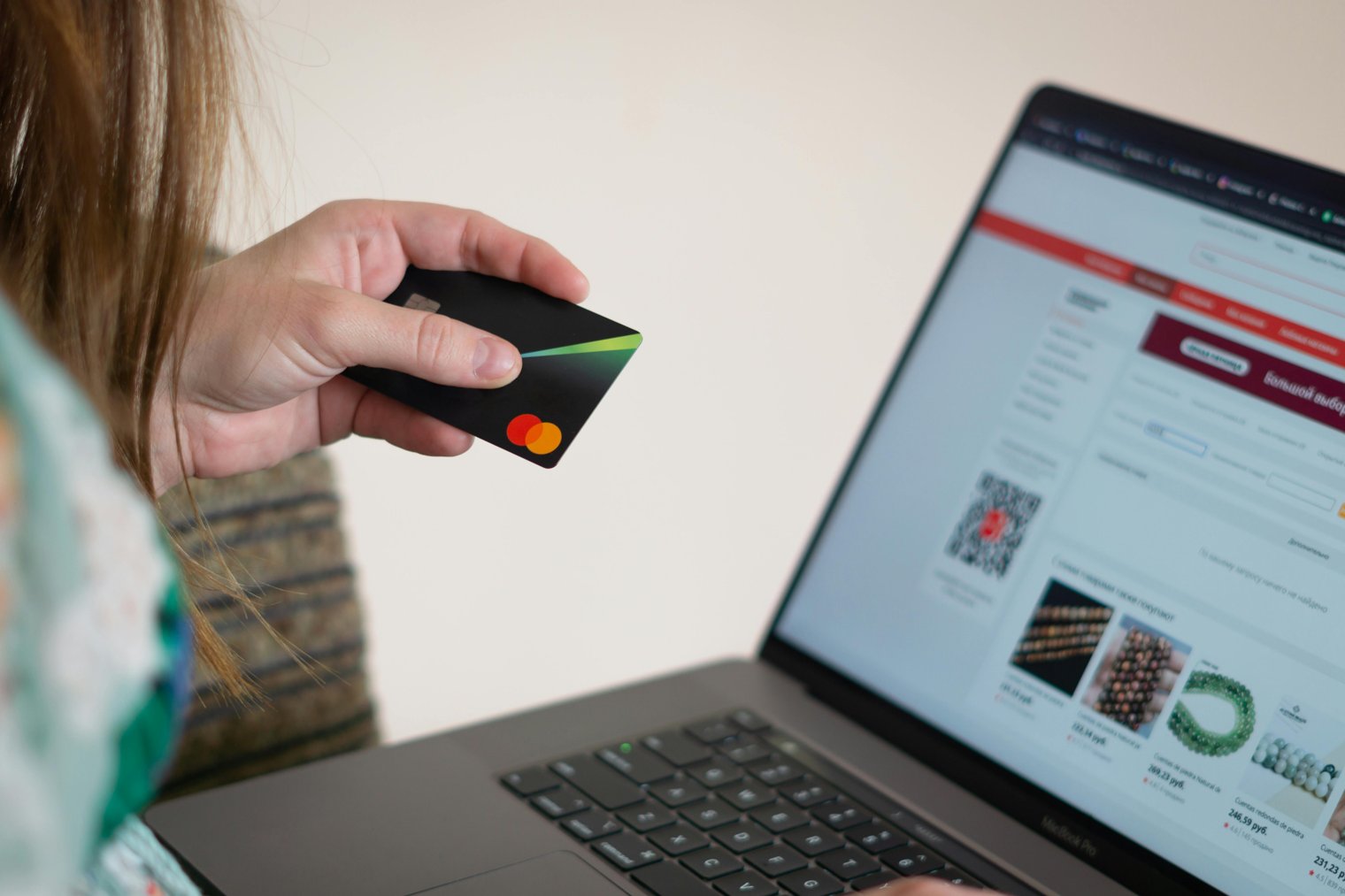
Taking control of your finances freedom begins with a cleared balance.
Clearing a balance on a credit card can be a crucial step toward managing your finances and reducing stress. It’s often part of a larger financial strategy aimed at building good credit, avoiding interest charges, and maintaining financial health. Whether you’re making a lump-sum payment or setting up a structured plan, getting that balance to zero is a moment of accomplishment and freedom.
9:00 AM: You wake up and decide it’s time to tackle your credit card debt. You make your morning coffee while preparing to sit down and pay off the balance.
10:00 AM: You log into your bank’s website or app to check your credit card balance and plan your payment strategy.
11:00 AM: After reviewing your budget, you confirm the payment amount and prepare to process the transaction.
1:00 PM: You confirm that the payment has been processed and the balance is cleared. You feel relieved as you check your bank statement.
3:00 PM: You take a moment to reflect on your financial goals and the steps you’ll take next to avoid future debt.
Bank Website or Mobile App (Chase, Wells Fargo, Bank of America, etc.)
Overview: The digital platform where you manage your financial accounts, view balances, and make payments.
Landmarks: The credit card section of the app/website, transaction history, and available balance.
Tips: Ensure you have secure login details and double-check the payment details before confirming the transaction.
Payment Processor (PayPal, Venmo, etc.)
Overview: An online payment system that allows you to make payments quickly to your credit card issuer if necessary.
Landmarks: Linked bank accounts, payment history, and credit card integration options.
Tips: Link your PayPal or Venmo to your bank account for seamless credit card payment processing.
Credit Card Issuer's Website (American Express, Discover, etc.)
Overview: Your credit card issuer's website where you can view your credit card statement, payment options, and details.
Landmarks: Payment options section, credit card statement, and available balance.
Tips: Set up automatic payments or reminders to ensure you don't miss the due date in the future.
PayPal (Online Payment Platform)
Bank of America (Online Banking)
Chase Bank (Online Banking)
Wells Fargo (Online Banking)
Discover (Credit Card Issuer)
Citibank (Credit Card Issuer)
American Express (Credit Card Issuer)
Capital One (Credit Card Issuer)
Mint (Personal Finance App)
Personal Capital (Finance Tracker)
PayPal Credit (PayPal Credit Line)
Intuit QuickBooks (Finance Management)
YNAB (You Need a Budget App)
NerdWallet (Credit Card Payment Guidance)
Credit Karma (Credit Score Tracker)
Credit Sesame (Credit Score Tracker)
Betterment (Investment Platform)
Robinhood (Investment Platform)
SoFi (Personal Finance App)
Acorns (Investing Platform)
Apple Pay (Payment Processor)
Google Pay (Payment Processor)
Venmo (Payment Processor)
Zelle (Payment Processor)
Stripe (Payment Processor)
Square (Payment Processor)
Amazon (Online Shopping, Store Credit Payments)
Financial Responsibility, Debt Management, Financial Freedom, Stress Relief, Payment Systems
1. Chase Bank: Credit Card and Payment Services
2. Wells Fargo: Credit Card and Payment Services
3. Bank of America: Credit Card and Payment Services
4. PayPal: Payment Services
5. Venmo: Payment Services
6. Discover: Credit Card and Payment Services
7. Citibank: Credit Card and Payment Services
8. Capital One: Credit Card and Payment Services
9. American Express: Credit Card and Payment Services
10. Square: Payment Processing
11. Zelle: Payment Services
12. Google Pay: Payment Services
13. Apple Pay: Payment Services
14. NerdWallet: Financial Tools
15. Mint: Budgeting Tool
16. Intuit QuickBooks: Financial Management Tool
17. YNAB: Budgeting Tool
18. Robinhood: Investing Platform
19. Betterment: Investing Platform
20. Acorns: Investment Platform
21. Credit Karma: Credit Score Tracking
22. Credit Sesame: Credit Score Tracking
23. Personal Capital: Financial Tracker
24. TransUnion: Credit Reporting Agency
25. Equifax: Credit Reporting Agency
26. Experian: Credit Reporting Agency
27. SoFi: Financial Products
28. SoFi Credit Card: Credit Card Issuer
29. PayPal Credit: Credit Service
30. PayPal: Online Payment
31. Stripe: Online Payment
32. Square: Payment Processing
33. Revolut: Financial Services
34. Green Dot: Prepaid Cards
35. Lending Club: Personal Loans
36. Upstart: Personal Loans
37. LightStream: Personal Loans
38. Dave: Cash Advance Service
39. Earnin: Cash Advance Service
40. Wise: Money Transfer Service
41. Remitly: Money Transfer Service
42. Western Union: Money Transfer Service
43. Walmart: Retail Store for Bill Payments
1. Chase Bank (Set up online payments)
2. PayPal (Link credit card for payments)
3. Credit Karma (Track credit card balance)
4. Mint (Monitor and create a budget)
5. YNAB (Set budget categories and payment goals)
6. SoFi (Set up debt payoff plan)
7. Capital One (Set up automatic payments)
8. Discover (Track payments and due dates)
9. Intuit QuickBooks (Organize and track spending)
10. NerdWallet (Calculate credit card payoff strategy)
• Credit Card:
• Laptop or Smartphone:
• Online Banking Login Credentials:
• Access to Credit Card Issuer's Website:
• Payment Confirmation Number:
• Budgeting App (Mint, YNAB):
• Payment Reminder System (Calendar, App):
• Credit Score Monitoring Tool (Credit Karma):
• Emergency Savings Fund:
• Calculator (to plan payments):
• Chase Sapphire Preferred (Credit Card)
• Wells Fargo Cash Wise (Credit Card)
• American Express Platinum (Credit Card)
• Discover it Cash Back (Credit Card)
• PayPal Credit (Credit Line)
• High-Interest Rates: If you don’t pay in full, high-interest rates can increase the balance over time.
• Late Payment Fees: Missing payments may lead to costly fees.
• Credit Score Impact: Late payments can hurt your credit score.
• Limited Payment Options: Some issuers may not accept all forms of payment.
• Financial Stress: Paying off credit card debt can be stressful, especially if the balance is large.
• Unpredictable Spending: Without a clear budget, spending can continue to add up on the credit card.
• Over-Spending Temptations: The ease of using a credit card may lead to overspending.
Regularly check credit card balance
Set up recurring payments to avoid missed due dates
Use budgeting tools to track finances
Monitor spending closely
Pay more than the minimum payment
Maintain emergency savings to avoid further debt
Set financial goals for debt-free living
Close the credit card once the balance is cleared.
Transfer the balance to a lower-interest card for better management.
Set up an emergency fund to avoid future debt.
Continue to monitor your spending habits.
Reassess your financial goals and adjust your budget accordingly.
Events
You must log in to add an event.
Events for this Scenario
No events found for this scenario yet.
Experiences
Please log in to share your experience.