
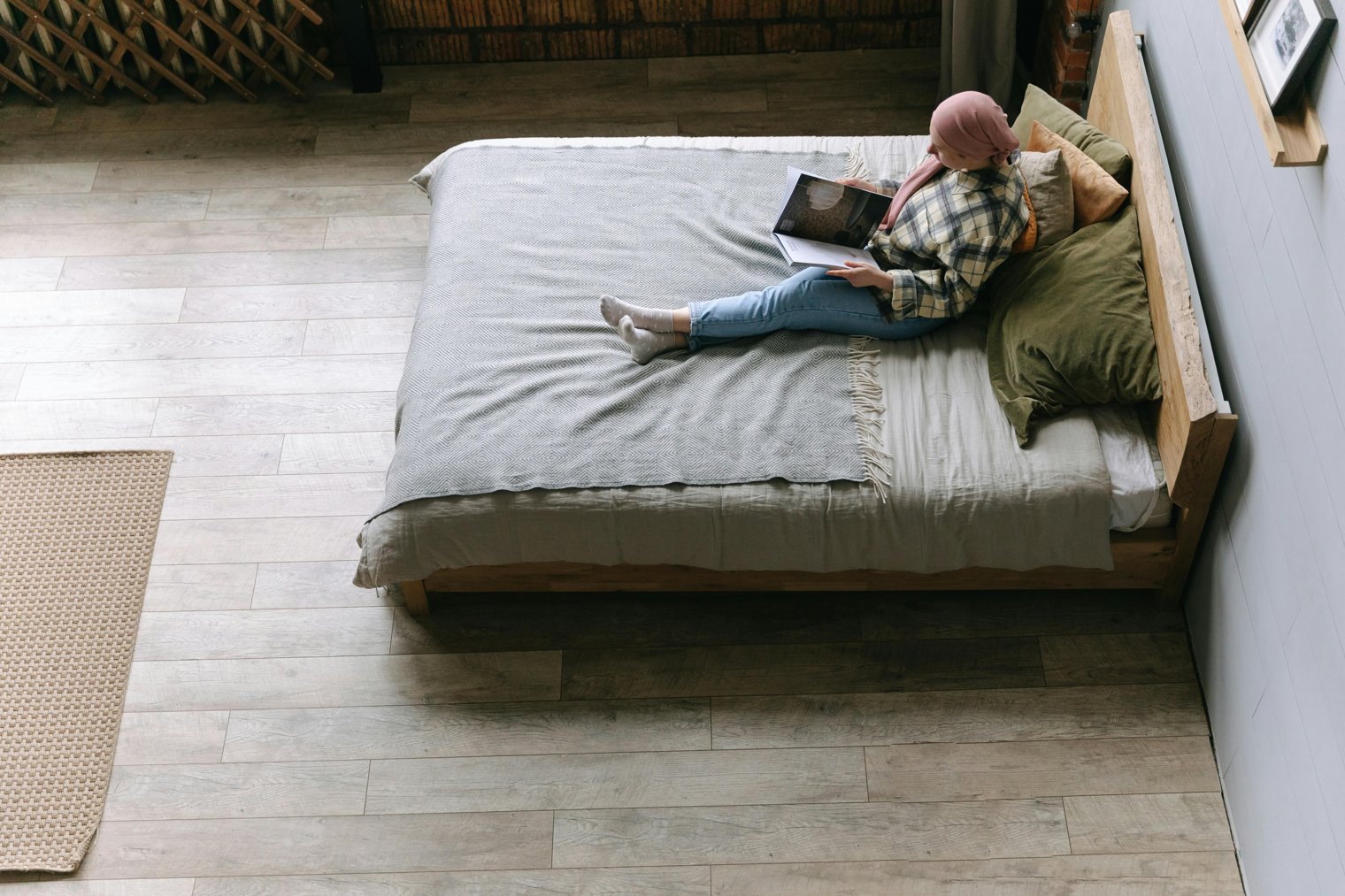
Letting go of the excess to make space for what truly matters.
This scenario follows the journey of embracing minimalism and decluttering your life. It explores the emotional and practical aspects of letting go of material possessions, simplifying your surroundings, and focusing on what truly brings value to your life. The process involves making intentional decisions, reducing stress, and creating a more fulfilling lifestyle.
8:00 AM: Morning reflection: Taking stock of what truly brings joy and value to your life.
10:00 AM: Starting the decluttering process: Choosing the first area or item to simplify or let go of.
12:00 PM: Decluttering session: Organizing, sorting, and making decisions about possessions.
3:00 PM: Letting go of sentimental items: Overcoming emotional attachments to material things.
7:00 PM: Evening reflection: Feeling the relief and clarity that comes with a simplified space.
Your Home (For Decluttering)
Overview: The place where you spend most of your time, and where the transformation will begin.
Landmarks: Living room, bedroom, kitchen-areas filled with excess and clutter.
Tips: Tackle one area at a time to avoid feeling overwhelmed, and work slowly toward your goal.
Local Donation Center (For Giving Away Unwanted Items)
Overview: A place where you can donate items you no longer need, benefiting others in the process.
Landmarks: Donation bins, shelves for clothes, collection boxes for furniture.
Tips: Donate items that no longer serve you but could benefit others, creating space for new beginnings.
Local Coffee Shop (For Reflection and Time Away)
Overview: A peaceful environment to take a break from the decluttering process and reflect on your minimalism journey.
Landmarks: Coffee tables, quiet corners, and comfy chairs.
Tips: Use this time to meditate, reflect on your decluttering progress, or plan your next steps.
Local Thrift Store (For finding new items with minimal cost)
Bookstore (For purchasing minimalism guides and self-help books)
Home Goods Store (For finding practical minimalist home essentials)
Art Gallery (For minimalist art and design inspiration)
Outdoor Market (For finding minimalist and eco-friendly goods)
Local Gym (For focusing on a minimalist fitness routine)
Yoga Studio (For finding peace and balance during your decluttering journey)
Farmer’s Market (For buying simple, fresh, and local produce)
Community Center (For workshops on minimalism and simplicity)
Library (For researching minimalism and decluttering techniques)
Donation Center (For donating items you no longer need)
Travel Agency (For planning minimalist travel experiences)
Digital Detox Space (For simplifying your digital life)
Local Spa (For self-care and resetting your mind during the decluttering process)
Co-working Space (For simplifying your work environment and reducing distractions)
Meditation Center (For mental clarity and focus on minimalism practices)
Minimalist Furniture Store (For purchasing functional and simple furniture)
Vintage Store (For finding sustainable, second-hand items)
Tea Shop (For relaxing and simplifying your routines)
Zen Garden (For peaceful reflection and simplicity)
Natural Park (For connecting with nature and decluttering the mind)
Small Café (For a minimalist retreat and peaceful moments)
Minimalist Designer Store (For investing in quality over quantity)
Personal Stylist (For creating a minimalist wardrobe)
Eco-Friendly Store (For sustainable and minimalist products)
Simplicity, mindfulness, intentional living, sustainability, and personal growth.
1. ThredUp: For donating or buying gently used clothes with a focus on sustainability
2. Airbnb: For finding minimalist accommodations while traveling
3. Pinterest: For organizing minimalist design ideas and lifestyle tips
4. Etsy: For finding handmade minimalist décor and lifestyle products
5. Amazon: For minimalist books and eco-friendly products
6. TaskRabbit: For hiring help with home organization and decluttering
7. Minimalist Baker: For simple and healthy recipes that support a minimalist lifestyle
8. FreshDirect: For ordering simple, healthy groceries
9. IKEA: For functional minimalist furniture
10. Poshmark: For reselling or buying second-hand items
11. Marie Kondo: For the KonMari method and decluttering tools
12. Shopify: For creating minimalist online stores
13. Evernote: For organizing minimalist goals and projects
14. Calm: For meditation and mindfulness practices
15. Meditation Apps: For daily mindfulness and focus practices
16. Freecycle: For giving away or finding second-hand items locally
17. Stoic Journal: For mindfulness and intentional living
18. YouTube: For minimalism vlogs and decluttering tips
19. Audible: For audiobooks on minimalism and decluttering
20. Etsy: For finding handmade minimalist décor
21. TaskRabbit: For help with household chores and organizing
22. The Container Store: For storage solutions to keep your space organized
23. Wayfair: For minimalist furniture and home essentials
24. Netflix: For documentaries on minimalism and sustainable living
25. Skillshare: For learning minimalism-based courses
26. WeWork: For co-working space with a focus on simplicity and productivity
27. SimpleHabit: For mindfulness and mental clarity tools
28. Pinterest: For minimalist home décor ideas and inspiration
29. Home Depot: For DIY minimalist home projects
30. Mindful Stuff: For eco-friendly, minimalist lifestyle products
31. GreenGeeks: For eco-friendly hosting options for minimalist blogs
32. Calm: For guided mindfulness exercises
33. Peloton: For incorporating minimalist fitness routines
34. NatureBox: For simple, healthy snacks with minimal packaging
35. Evernote: For goal tracking and planning
36. Google Fit: For tracking minimalist fitness goals
37. TaskRabbit: For organizing your living space
38. Etsy: For eco-conscious minimalist products
39. The Minimalists: For books and content on living with less
40. ThriftBooks: For second-hand books that encourage minimalism
41. WeWork: For minimalist working environments
42. REI: For minimalist outdoor gear
43. Zenni Optical: For simple, sustainable eyewear
44. Shopify: For creating a minimalist e-commerce business
45. Nature Made: For simple, natural wellness products
46. Whole Foods: For fresh, unprocessed foods
47. Unilever: For sustainable, minimalist household products
48. Nomad List: For finding minimalist travel destinations
49. ClassPass: For keeping fitness simple and accessible
50. Weebly: For building a minimalist website
1. Amazon: Minimalist books and home décor.
2. Target: Simple home décor and office supplies.
3. IKEA: Affordable and functional minimalist furniture.
4. Walmart: Budget-friendly home essentials for decluttering.
5. Whole Foods: Healthy, organic foods to maintain a minimalist lifestyle.
6. Poshmark: Gently used clothing and accessories.
7. Home Depot: Decluttering tools and DIY project supplies.
8. REI: Outdoor gear for minimalists and nature lovers.
9. CVS: Personal care products to simplify your routine.
10. IKEA: Storage solutions for a decluttered living space.
• Minimalist Décor:
• A Sustainable Wardrobe:
• Mindfulness Tools:
• Time Management Tools:
• A Decluttered Home:
• Comfortable and Functional Furniture:
• A Simple, Organized Routine:
• A Wellness Plan (Fitness, Nutrition, Mental Health):
• Financial Organization (Budgeting, Planning):
• Digital Decluttering Tools:
• KonMari Method (For home organization)
• Fitbit (For fitness and wellness tracking)
• Kindle (For minimal digital books)
• Peloton (For minimalist fitness classes)
• Amazon Prime (For easy delivery of essentials)
• Emotional Attachment: Struggling to let go of sentimental items.
• Financial Strain: Minimalist items often require an investment in quality.
• Time Commitment: Decluttering takes time and can be overwhelming.
• Isolation: Simplifying your life might make you feel detached from others.
• Overwhelm: Trying to declutter everything at once can feel like too much.
• Lack of Social Support: Some people may not understand your minimalist journey.
• Regret: Letting go of things can sometimes cause second thoughts.
• Practice Gratitude: Appreciate the things you have.
• Take Small Steps: Tackle one room or area at a time.
• Focus on Quality: Invest in durable, meaningful items.
• Stay Disciplined: Stick to the minimalist goals you set for yourself.
• Practice Daily Reflection: Journal or meditate on your progress.
• Letting Go Slowly: If you feel overwhelmed, go at your own pace.
• Embrace Change: Allow the minimalist process to reshape your lifestyle.
• Reevaluate Priorities: Continue assessing what’s truly necessary in your life.
• Seek Support: Find other minimalists or support groups for guidance.
• Focus on the Big Picture: Keep your goals in mind and stay focused on the benefits.
Events
You must log in to add an event.
Events for this Scenario
No events found for this scenario yet.
Experiences
Please log in to share your experience.