
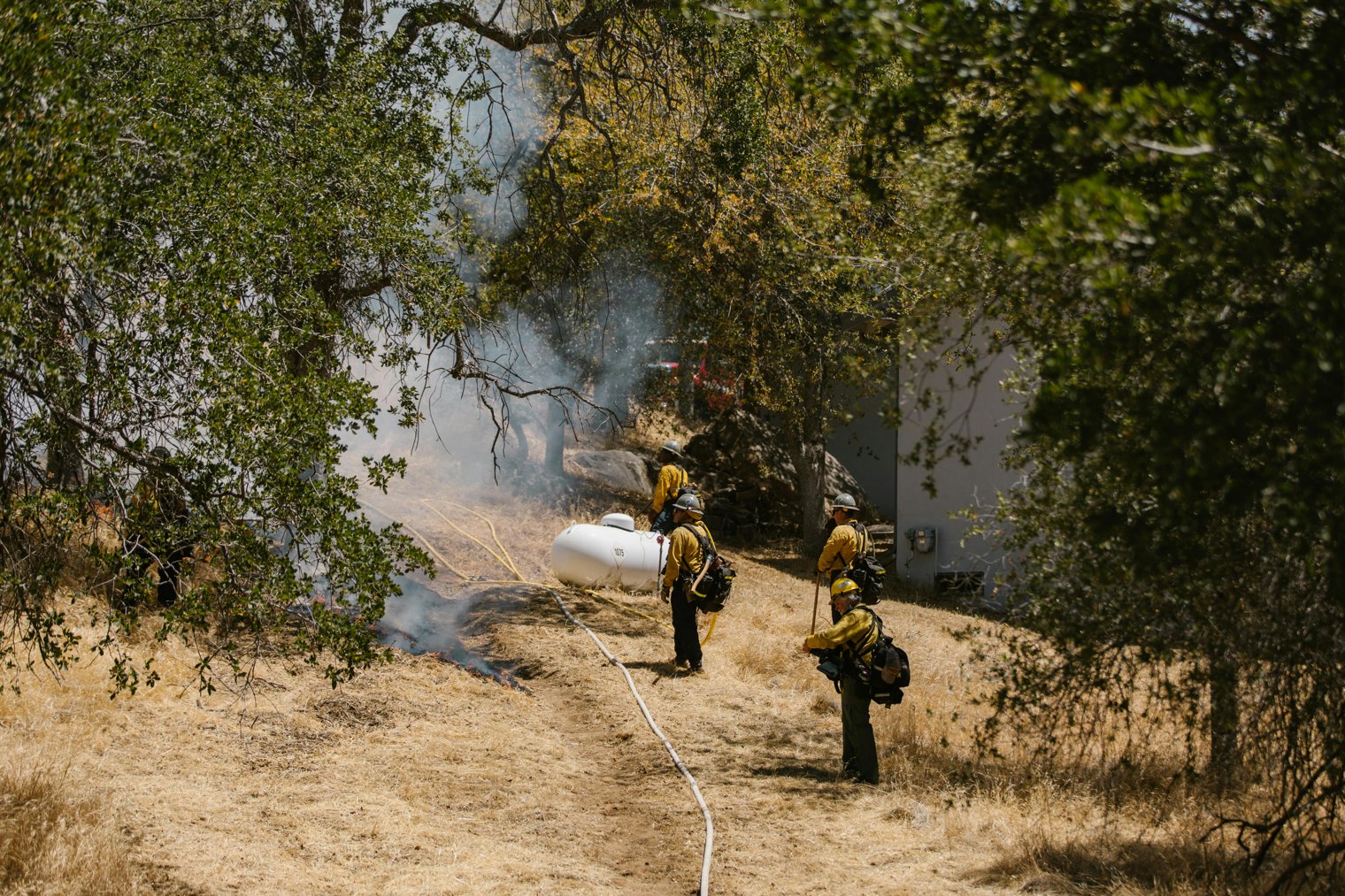
Escaping the flames, with survival and hope driving the way.
Evacuating from a wildfire is one of the most intense and chaotic experiences one can face. As the flames spread and air quality deteriorates, being prepared for a fast evacuation can save lives. This scenario outlines the critical steps to take when wildfire danger is imminent, how to stay informed through warnings, and what to pack to ensure safety and survival. From securing important documents to navigating evacuation routes, your actions during these moments can make the difference between safet..
12:00 PM: The air is thick with smoke as news reports alert you to an approaching wildfire. You begin preparing your emergency kit with food, water, and necessary medications.
1:30 PM: The fire is getting closer. Authorities issue an evacuation order, and you quickly pack up valuables, documents, and pets, ready to leave.
3:00 PM: As you drive away, the road is congested with other evacuees. You rely on GPS and local emergency services for the safest evacuation route.
6:00 PM: You reach the evacuation center or a relative’s home, relieved but anxious, unsure of what you might return to.
9:00 PM: The smoke clears, and you stay informed through local news and fire updates, praying for your home’s safety and the wellbeing of others.
California Department of Forestry and Fire Protection (CAL FIRE) - Sacramento, CA
Overview: CAL FIRE is responsible for managing California's wildfire response efforts. They provide updates on wildfire locations and evacuations.:
Landmarks: The CAL FIRE headquarters and its wildfire tracking systems.:
Tips: Regularly check CAL FIRE's website and mobile alerts for up-to-date fire information in your area.:
American Red Cross - Various Locations
Overview: The Red Cross offers shelter, supplies, and other essential services during natural disasters, including wildfires.:
Landmarks: Local shelters set up for evacuees, where food, water, and medical care are available.:
Tips: Visit the nearest Red Cross shelter if you are evacuated and need a place to stay during the disaster.:
FEMA Disaster Recovery Centers - Nationwide
Overview: FEMA helps survivors of natural disasters, including wildfires, with recovery, financial aid, and other essential services.:
Landmarks: FEMA centers provide recovery assistance and resources for displaced families.:
Tips: Register with FEMA online to access financial assistance and begin the recovery process.:
#start-special-focus
National Interagency Fire Center (Boise, ID)
Local Fire Departments (Various locations)
Red Cross Shelters (Nationwide)
California Fire Camps (Various locations)
California State Parks (Designated evacuation points)
Local Police Stations (Evacuation checkpoints)
Hospitals (Emergency medical services during evacuations)
Emergency Shelters (Temporary shelter locations)
FEMA (Federal Emergency Management Agency)
National Weather Service (Weather tracking for fire conditions)
Local Evacuation Centers (Town halls, schools, etc.)
University of California Fire Research Center (Berkeley, CA)
Emergency Broadcasting System (Alert system for wildfire warnings)
The Salvation Army (Providing shelter and relief during evacuations)
State Fire Agencies (Various state-specific wildfire response teams)
National Guard Units (Deployed for disaster response)
Local Animal Shelters (Pet rescue and care)
Local Gas Stations (For refueling vehicles during evacuation)
Local Grocery Stores (Stocking emergency food supplies)
National Parks (Evacuation locations in case of surrounding fires)
County Fairgrounds (Evacuation center)
State Emergency Management Offices (Coordination centers)
Public Libraries (Emergency information distribution)
Local News Stations (Providing updates and alerts)
Religious Institutions (Shelters and evacuation assistance)
Schools (Evacuation centers)
Survival
Family Safety
Community Support
Preparedness
Recovery and Rebuilding
1. CAL FIRE: Wildfire updates and evacuations
2. American Red Cross: Disaster relief services
3. FEMA: Emergency disaster assistance
4. Salvation Army: Shelter and disaster relief
5. National Weather Service: Fire and weather updates
6. The Home Depot: Home supplies for disaster preparation
7. Lowe’s: Home protection materials like sandbags and plywood
8. Verizon: Communication and emergency alerts
9. AT&T: Emergency communication services
10. Petco: Pet evacuation kits and supplies
11. REI: Survival gear and outdoor essentials
12. Costco: Bulk emergency supplies
13. Walmart: Flashlights, food, and water
14. Target: Emergency preparedness items
15. Amazon: Order disaster supplies for quick delivery
16. T-Mobile: Phone service during evacuation
17. Uber: Transportation to evacuation centers
18. Lyft: Transportation for evacuees
19. FedEx: Shipping supplies and emergency relief materials
20. USPS: Mail forwarding services
21. FEMA App: Disaster updates and recovery applications
22. Red Cross App: Real-time shelter and relief location finder
23. National Guard: Disaster response services
24. American Airlines: Flights for evacuees
25. Delta Airlines: Flights for emergency situations
26. United Airlines: Airline services for evacuation
1. Amazon: Order emergency survival kits and supplies
2. Walmart: Stock up on flashlights, batteries, and water
3. Lowe’s: Prepare your home with plywood, sandbags, and emergency tools
4. Petco: Get pet emergency kits for your animals
5. REI: Purchase emergency survival gear for evacuation
6. FedEx: Send important documents to safe locations
7. AT&T: Ensure your phone is ready for emergency alerts
8. T-Mobile: Check your mobile data for evacuation alerts
9. Verizon: Review emergency communication plans
10. National Weather Service: Stay updated on wildfire conditions
• Emergency Kit (Water, food, flashlight, first aid kit):
• Power Bank (For charging devices without electricity):
• Phone (For emergency calls and updates):
• Flashlight (Battery-powered):
• Water (Essential for hydration during evacuation):
• First Aid Kit (For injuries during the evacuation):
• Gas Mask or Respirator (For smoke-filled environments):
• Important Documents (ID, insurance, etc.):
• Comfortable Shoes (For walking long distances during evacuation):
• Battery-Powered Radio (For updates during power outages):
• LifeStraw (Water filtration for emergency use)
• Coleman Camping Stove (Portable stove for cooking in shelters)
• FEMA Emergency Kit (Standard survival gear)
• Goal Zero Solar Chargers (Solar-powered chargers for electronics)
• Rubbermaid Storage Containers (For organizing emergency supplies)
• Limited Resources: Shelters and supplies can be scarce during large evacuations.
• Emotional Stress: Leaving your home behind can cause emotional strain.
• Property Damage: Wildfires may cause significant damage to your home.
• Loss of Communication: Disasters often disrupt communication networks.
• Temporary Housing: Staying in shelters may not feel like home.
• Evacuation Delays: Road closures and traffic can cause delays in evacuating.
• Rebuilding Challenges: Recovering from wildfire damage takes time and resources.
• Regularly Monitor Weather Updates: Stay informed of any changing conditions.
• Practice Evacuation Drills: Know your exit routes and what to take.
• Stock Emergency Supplies: Keep your emergency kit stocked and ready.
• Stay Informed: Regularly check for evacuation orders and updates.
• Maintain Communication: Keep in touch with family and emergency contacts.
• Volunteer: Help others during evacuations, especially those with mobility issues.
• Remain Calm: Keep calm during the evacuation to make better decisions.
• Relocate: Move to a safer location if your home is damaged.
• Return and Rebuild: If your home is safe, start the process of rebuilding.
• Seek Temporary Shelter: Stay with family, friends, or in a shelter.
• Regain Normalcy: Once the danger has passed, resume regular activities.
• Restock: Replenish your emergency supplies for future preparedness.
Events
You must log in to add an event.
Events for this Scenario
No events found for this scenario yet.
Experiences
Please log in to share your experience.