
Purifying nature’s gift making river or lake water safe for hydration.
Filtering water from a natural source is a critical skill for campers, hikers, or anyone spending time outdoors. Natural water sources such as rivers and lakes can contain harmful bacteria, parasites, and other contaminants, making them unsafe to drink without proper treatment. This scenario guides you through the process of using a water filter to purify water, ensuring it’s safe to consume. By understanding how to properly filter water, you protect yourself from waterborne illnesses and ensure you have ..
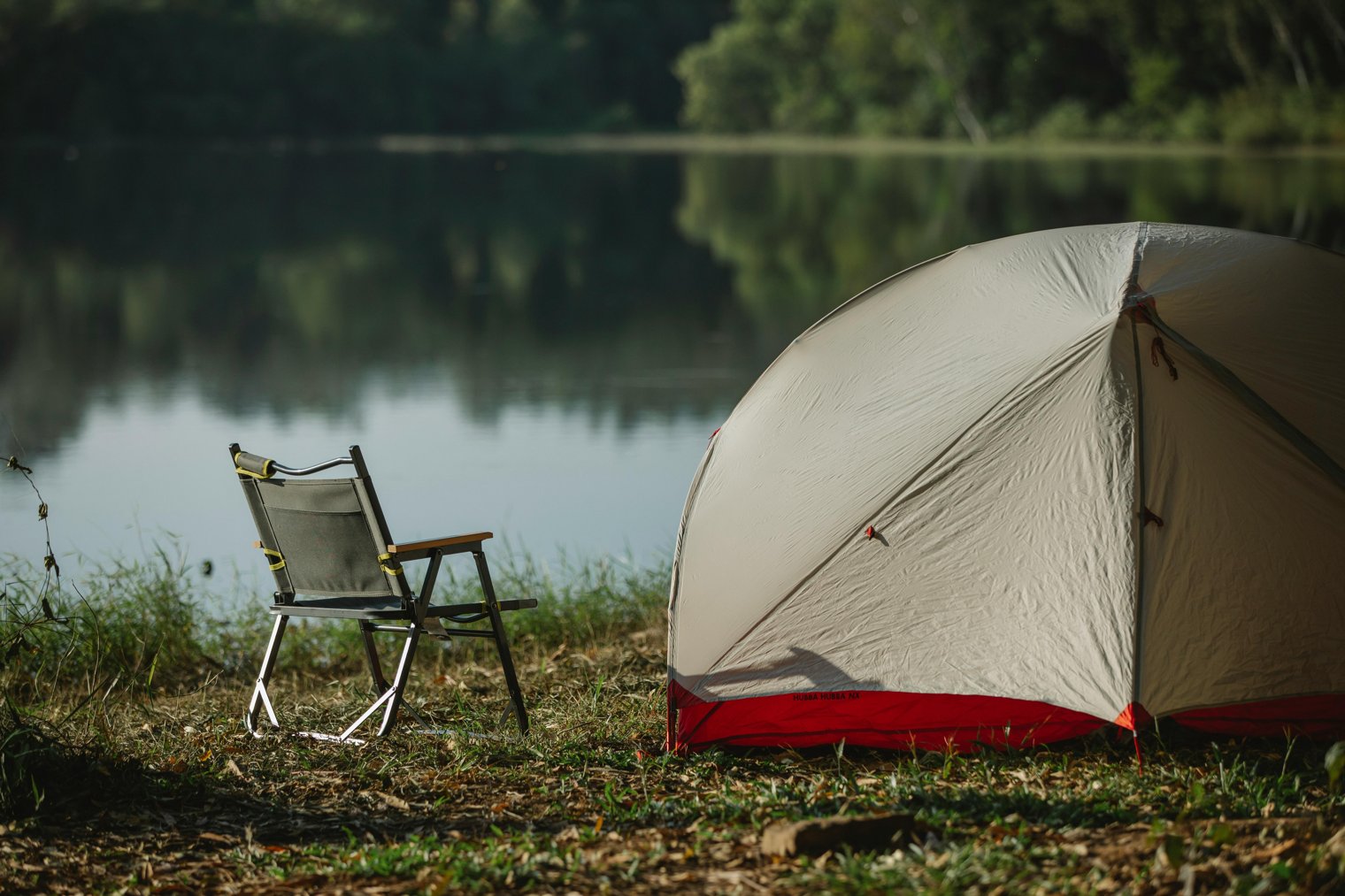
7:00 AM: You arrive at a campsite by a river or lake, setting up camp for the day. The cool morning air mingles with the fresh scent of the outdoors, and you realize you need to filter water for drinking and cooking.
7:30 AM: You pull out your water filter from your backpack, making sure to check that it’s clean and ready for use. You take a moment to admire the nearby river or lake, considering the natural beauty surrounding you.
8:00 AM: Kneeling by the river, you submerge the filter’s inlet hose into the flowing water, preparing to start filtering. You begin pumping, and fresh, clean water fills your bottle.
8:15 AM: The first bottle of filtered water is ready. You take a sip, feeling the satisfaction of knowing you’ve safely purified the water. You check the water filter to ensure it’s functioning properly, ensuring future bottles will be clean.
9:00 AM: You finish filtering enough water for your hike, and pack the filter away, ensuring it’s stored properly for future use.
National Park: Yellowstone National Park (Wyoming/Montana/Idaho)
Overview: Known for its geothermal features and abundant wildlife, Yellowstone also offers pristine lakes and rivers where filtering water is essential for outdoor survival.
Landmarks: The Yellowstone River, along with many smaller streams and lakes, provides the perfect opportunity to practice water filtration techniques.
Tips: Use a portable water filter when near any water source in Yellowstone to avoid the risk of contaminants, especially when camping or hiking in the backcountry.
State Park: Shenandoah National Park (Virginia)
Overview: Shenandoah National Park is rich with flowing streams and mountain-fed rivers that require proper filtration to make water safe for drinking.
Landmarks: Popular spots like Big Meadows and Skyline Drive provide easy access to water sources but require caution due to possible water contamination.
Tips: Always bring a reliable water filter when hiking through Shenandoah's wilderness, as most streams can carry sediment and bacteria that require purification.
National Forest: Pisgah National Forest (North Carolina)
Overview: Pisgah is a stunning, water-rich area known for its rivers and waterfalls. Filtering water from these sources is a necessity for anyone spending time in the forest.
Landmarks: The Bent Creek Experimental Forest and the French Broad River are well-known in the area and can provide a consistent source of water for filtration.
Tips: Bring a lightweight filter and extra filters to ensure you have enough clean water for longer hikes in the forest.
Great Smoky Mountains National Park (Tennessee/North Carolina)
Rocky Mountain National Park (Colorado)
Yosemite National Park (California)
Grand Teton National Park (Wyoming)
Acadia National Park (Maine)
Zion National Park (Utah)
Sequoia National Park (California)
Olympic National Park (Washington)
Bighorn National Forest (Wyoming)
Glacier National Park (Montana)
Yellowstone National Park (Wyoming/Montana/Idaho)
Shenandoah National Park (Virginia)
Grand Canyon National Park (Arizona)
Glacier Bay National Park (Alaska)
Yosemite National Park (California)
Mount Rainier National Park (Washington)
Denali National Park (Alaska)
Everglades National Park (Florida)
Big Bend National Park (Texas)
Rocky Mountain National Park (Colorado)
Great Sand Dunes National Park (Colorado)
Lassen Volcanic National Park (California)
Isle Royale National Park (Michigan)
Death Valley National Park (California)
Bryce Canyon National Park (Utah)
Outdoor Survival, Water Conservation, Hiking Safety, Self-Reliance, Wilderness Preparation
1. REI Co-op: Outdoor Gear
2. Cabela’s: Camping and Hiking Gear
3. MSR: Outdoor Equipment and Stoves
4. BioLite: Portable Power and Cooking Gear
5. Sawyer Products: Water Filtration Systems
6. Lifestraw: Water Filters and Purifiers
7. Katadyn: Water Purifiers
8. Platypus: Water Filtration Systems
9. GSI Outdoors: Camping and Cooking Gear
10. Osprey: Backpacks for Hiking
11. Hydro Flask: Water Bottles
12. Nalgene: Water Bottles and Storage
13. Camelbak: Hydration Systems
14. Thermacell: Mosquito Repellent
15. Mountain House: Camping Meals
16. Black Diamond: Climbing and Camping Gear
17. REI Co-op: Outdoor Equipment
18. SmartWater: Purified Bottled Water
19. Gatorade: Electrolyte Drinks for Hydration
20. LifeStraw: Water Filters for Safe Drinking
21. Patagonia: Sustainable Outdoor Apparel
22. MSR: Water Treatment
23. First Lite: Hunting and Outdoor Gear
24. Coleman: Camping and Outdoor Gear
25. Gerber: Multi-tools
26. Leatherman: Survival Gear
27. Goal Zero: Solar Power Solutions
28. Biolite: Outdoor Gear and Cooking Solutions
29. Sea to Summit: Camping Gear
30. Thermacell: Portable Mosquito Repellent
31. Berkey: Water Filters
32. Sawyer: Water Filters and Purifiers
33. LifeStraw: Portable Water Filters
34. Jack Wolfskin: Outdoor Gear
35. Columbia Sportswear: Outdoor Apparel
36. Timberland PRO: Outdoor Work Boots
37. Victorinox: Camping Knives and Tools
38. Garmin: Outdoor GPS Devices
39. Bushnell: Binoculars and Outdoor Optics
40. Big Agnes: Camping Gear
41. Snugpak: Sleeping Bags
42. MSR: Stoves for Outdoor Cooking
43. UCO Gear: Outdoor Lanterns and Cooking Gear
44. Patagonia: Outdoor Clothing and Gear
45. Keen: Outdoor Footwear
1. REI Co-op (Outdoor Equipment)
2. Walmart (Camping Gear and Water Filtration)
3. Amazon (Water Purification Supplies)
4. Cabela’s (Outdoor Gear and Survival Equipment)
5. MSR (Water Treatment Systems)
6. BioLite (Portable Stoves and Water Filtration)
7. Sawyer Products (Portable Water Filters)
8. Katadyn (Portable Water Purifiers)
9. GSI Outdoors (Camping Cooking Gear)
10. Coleman (Portable Water Filtration Systems)
• Water Filter or Purifier:
• Water Bottle or Hydration System:
• Pump or Gravity Water Filter:
• Food for the Hike:
• First Aid Kit:
• Backpack for Carrying Gear:
• Water Purification Tablets:
• Camp Stove (for Cooking):
• Snacks and Hydration Packs:
• Portable Power (for Charging Devices):
• LifeStraw (Portable Water Filters)
• MSR (Water Purifiers)
• Sawyer (Water Filters)
• Katadyn (Water Purifiers)
• Hydro Flask (Water Bottles)
• Contaminated Water Sources: Not all water sources are safe even after filtering.
• Filter Malfunctions: Water filters can clog or malfunction if used improperly.
• Heavy Gear: Some water filters can be bulky or heavy to carry on long hikes.
• Long Filtering Times: Depending on the filter, it may take a while to purify large quantities of water.
• Limited Filtration Capacity: Some filters are only designed for small quantities of water at a time.
• Lack of Access to Clean Water: Finding a suitable water source may be difficult in some locations.
• Weather Impact: Rain or extreme heat can affect the availability of clean water.
Regularly checking the water filter to ensure it’s working properly.
Purifying water as soon as possible after sourcing it from a stream or river.
Storing water in tightly sealed containers to keep it clean.
Carrying extra water filters or purification tablets as a backup.
Filtering water before using it for cooking, drinking, or cleaning.
Cleaning and drying the filter after each use to prevent contamination.
Carrying enough water purification supplies for the duration of the trip.
• Cleaning and Packing Up Equipment: Properly storing filters and hydration systems when done.
• Assessing Water Needs: Planning water sources for future hikes and trips.
• Moving to a New Location: If water quality is poor, finding an alternative source.
• Reporting Water Quality: Notifying others about unsafe water sources when necessary.
• Sharing Information: Teaching others proper water filtration techniques.
Events
You must log in to add an event.
Events for this Scenario
No events found for this scenario yet.
Experiences
Please log in to share your experience.