
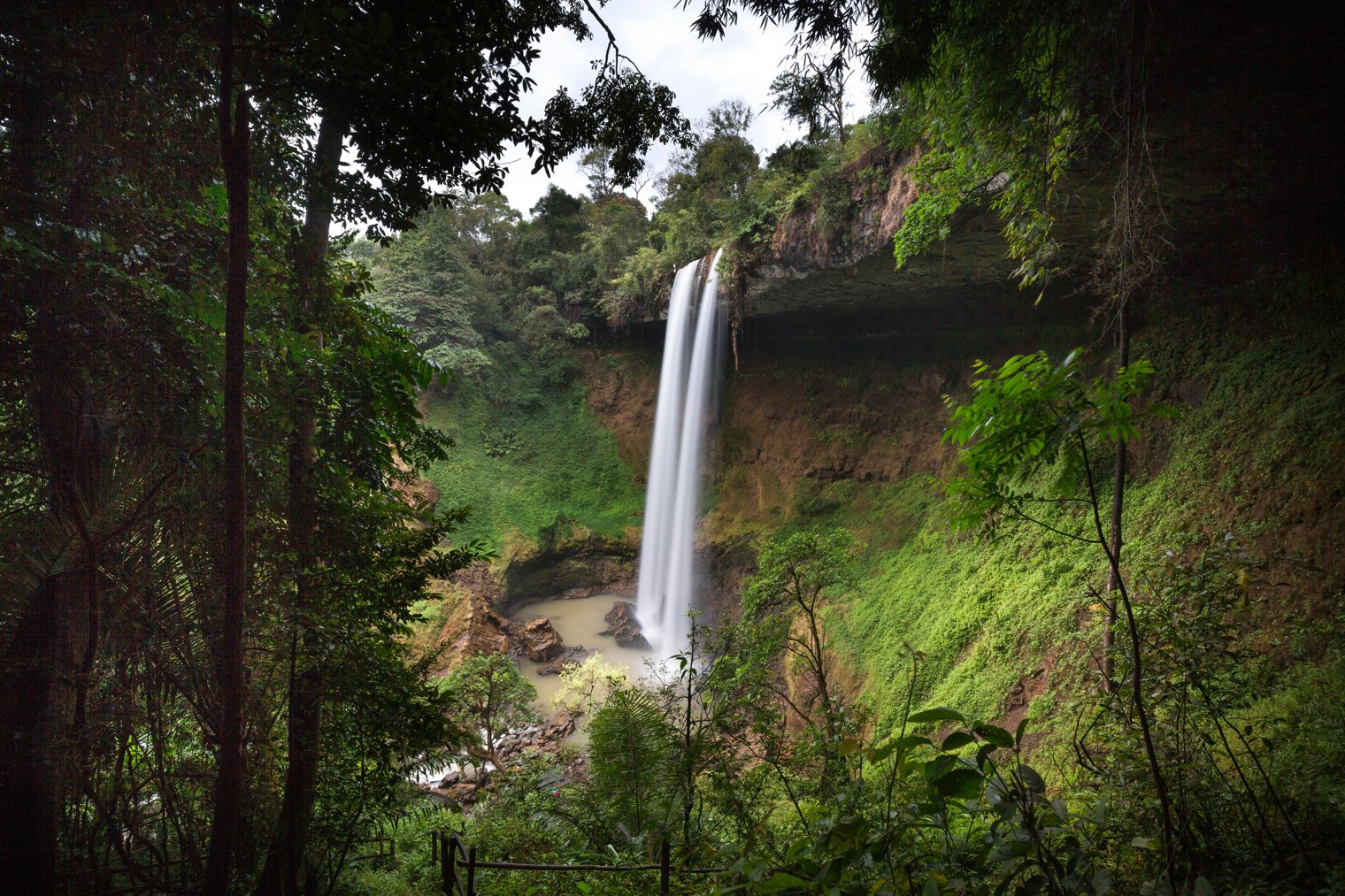
Ensuring clean, drinkable water wherever nature takes you.
Filtering water from natural sources like rivers or lakes is an essential skill for anyone spending time outdoors. Whether hiking, camping, or backpacking, access to clean water is crucial. However, water from natural sources can carry bacteria, parasites, and sediment, making it unsafe to drink directly. This scenario explores the step-by-step process of filtering water using portable devices, ensuring the water is safe to drink and you stay hydrated during your outdoor adventures.
9:30 AM: You reach a river after a long hike, feeling thirsty and eager for a break. The water flows steadily, sparkling in the early morning sun.
10:00 AM: You set up your portable water filter system, carefully dipping the intake hose into the clear water while ensuring no contamination.
10:30 AM: As the filter processes the water, you watch it slowly turn from murky to clear. Your water bottle begins to fill up.
11:00 AM: You sip from your freshly filtered water, feeling the coolness refresh you as you prepare to continue your journey.
11:30 AM: You clean up the area, packing away your filter and leaving the riverbank as undisturbed as you found it.
Yellowstone National Park (Wyoming, Montana, Idaho, U.S.)
Overview: A stunning national park with a variety of freshwater sources, perfect for practicing water filtration in the wild.
Overview: Known for its pristine lakes and rivers, Glacier National Park offers abundant water sources perfect for filtering.
Overview: A temperate rainforest with numerous freshwater streams, creeks, and lakes, where filtering water is essential for camping and hiking.
Grand Canyon National Park (Arizona, U.S.): A desert landscape with few water sources; filtering water from the Colorado River is essential for survival.
Acadia National Park (Maine, U.S.): Known for its freshwater lakes, streams, and ocean waters, all requiring filtration before consumption.
Rocky Mountain National Park (Colorado, U.S.): A mountain park with access to alpine lakes and streams, perfect for filtering fresh water.
Sequoia National Park (California, U.S.): A park with rivers and lakes surrounded by giant trees, where water filtration is necessary for safe drinking water.
Mount Rainier National Park (Washington, U.S.): A lush, forested park with freshwater streams that require filtering before drinking.
Zion National Park (Utah, U.S.): Known for its deserts and canyons, where access to fresh water is limited and requires filtering.
Glacier Bay National Park (Alaska, U.S.): A remote, pristine area where all water must be filtered to prevent contamination from wildlife.
Joshua Tree National Park (California, U.S.): A desert park with scarce water sources, requiring proper filtration for safe hydration.
Denali National Park (Alaska, U.S.): A wilderness area with fresh water sources that need to be filtered to ensure clean drinking water.
Yosemite National Park (California, U.S.): Known for its waterfalls and clear streams, Yosemite offers ample opportunities for water filtration.
Isle Royale National Park (Michigan, U.S.): A remote island park with lakes and rivers that require water filtration for safety.
Shenandoah National Park (Virginia, U.S.): A forested park with clear streams and rivers that must be filtered before consumption.
Everglades National Park (Florida, U.S.): A wetland ecosystem where water from rivers and swamps requires filtration to avoid contamination.
Bryce Canyon National Park (Utah, U.S.): A desert park with minimal water sources; all collected water should be filtered.
Death Valley National Park (California, U.S.): Known for its dry landscape, requiring filtered water from scarce sources such as streams and springs.
Olympic Wilderness (Washington, U.S.): A remote wilderness area in Olympic National Park with pristine water sources that require filtering.
Crater Lake National Park (Oregon, U.S.): A volcanic lake with pure water but requires filtering due to microbial life.
Lake Tahoe (California, U.S.): A clear freshwater lake where water filtration is necessary for drinking water safety.
Mount Hood National Forest (Oregon, U.S.): A mountainous area with lakes and streams, where water filtration ensures safe drinking.
Grand Teton National Park (Wyoming, U.S.): A park with numerous streams and rivers, all requiring filtration before drinking.
Channel Islands National Park (California, U.S.): A remote park with limited fresh water, requiring careful filtration techniques.
Death Valley National Park (California, U.S.): A desert landscape where water from streams needs to be filtered before consumption.
Custer State Park (South Dakota, U.S.): A wildlife park with lakes and rivers where water filtration is essential for safe hydration.
Rocky Mountain National Forest (Colorado, U.S.): Known for its mountain lakes and streams, all of which need to be filtered for safe drinking.
Yellowstone River (Montana, U.S.): A major waterway where filtering is essential to avoid waterborne pathogens.
Yosemite Wilderness (California, U.S.): A remote wilderness area with lakes and streams, all of which require water filtration for safety.
Survival, outdoor safety, wilderness preparedness, water purification, environmental responsibility
1. REI: Outdoor gear and camping supplies
2. LifeStraw: Portable water filtration devices
3. Sawyer Products: Water filtration systems
4. Katadyn: Water purifiers and filters
5. Hydro Flask: Water bottles and hydration gear
6. BioLite: Outdoor gear, including portable water filters
7. MSR: Outdoor cooking and water filtration systems
8. Platypus: Water filtration and hydration systems
9. Camelbak: Hydration packs and filtration systems
10. Sawyer: Water filtration products
11. Teton Sports: Outdoor gear
12. Mountain Hardwear: Outdoor clothing and gear
13. Osprey: Backpacks and hydration systems
14. L.L. Bean: Camping gear
15. REI Co-op: Camping gear and water filtration
16. Nomad Nutrition: Outdoor food and hydration solutions
17. Adventure Medical Kits: Outdoor safety kits
18. BioLite: Camping gear including water purification systems
19. Columbia Sportswear: Outdoor apparel and accessories
20. Black Diamond: Climbing and outdoor gear
21. Therm-a-Rest: Camping gear and water purification products
22. Gregory: Backpacks and camping accessories
23. Sea to Summit: Outdoor products
24. Jetboil: Camping stoves and water purifiers
25. Backcountry: Outdoor products and water filtration
26. Jetboil: Portable stoves and filtration devices
27. GoPro: Cameras for outdoor documentation
28. Patagonia: Outdoor clothing and hydration solutions
29. YETI: Outdoor coolers and hydration systems
30. MSR: Stoves and water purification
31. Hydro Flask: Hydration bottles for outdoor adventures
32. Platypus: Water systems for camping
33. GSI Outdoors: Camping cooking gear and filters
34. Katadyn: Water purifiers for outdoor use
35. Lifesaver Systems: Portable water filtration
36. Nature Valley: Snacks for outdoor excursions
37. GoLite: Lightweight camping gear
38. Petzl: Headlamps and outdoor gear
1. REI: Purchase water filtration products for outdoor use.
2. Sawyer Products: Get portable water filters for your trip.
3. Katadyn: Shop for water purifiers for outdoor excursions.
4. Hydro Flask: Get reusable water bottles for storing filtered water.
5. MSR: Get a portable stove and water filtration system.
6. Platypus: Buy hydration systems for your camping trip.
7. BioLite: Get water filtration gear for easy hydration in nature.
8. LifeStraw: Shop for portable filtration systems for outdoor use.
9. Mountain Hardwear: Find clothing and hydration gear for wilderness trips.
10. Osprey: Purchase hydration packs for carrying water while hiking.
• Portable water filter (e.g., Sawyer, LifeStraw):
• Reusable water bottle (e.g., Hydro Flask):
• Backpack for carrying water gear (e.g., Osprey):
• Water purification tablets (optional backup):
• Hydration system (e.g., Camelbak):
• First aid kit for outdoor use:
• Camping stove for boiling water if needed:
• Water collection container (e.g., collapsible buckets):
• Biodegradable soap for cleaning dishes:
• Trash bags for packing out waste:
• LifeStraw (Portable water filter)
• Katadyn (Water purifiers for outdoor use)
• Hydro Flask (Water bottles for hiking and camping)
• Sawyer (Water filters for wilderness adventures)
• MSR (Water treatment and camping gear)
Weather conditions affecting water clarity
Difficulty finding clean water sources in some regions
Risk of filter failure if not maintained properly
Time-consuming process to filter enough water for multiple people
Limited access to clean water in remote areas
Carrying heavy water filtration gear in remote locations
Inability to filter out certain contaminants without the proper gear
Regularly filter water before drinking or cooking
Carrying backup filtration methods (e.g., iodine tablets)
Refill water containers at streams or lakes early in the day
Ensure all water is treated before consumption
Keep filtration gear clean and dry to prevent damage
Plan water refills based on trail or campsite locations
Pack out all waste, including food scraps, to prevent contamination
Double-check that all water containers are filled before leaving
Ensure all used filtration gear is properly cleaned
Pack out any leftover trash or waste from your campsite
Share your water filtration techniques with others for education
Review your experiences and plan for future trips with better gear
Events
You must log in to add an event.
Events for this Scenario
No events found for this scenario yet.
Experiences
Please log in to share your experience.