
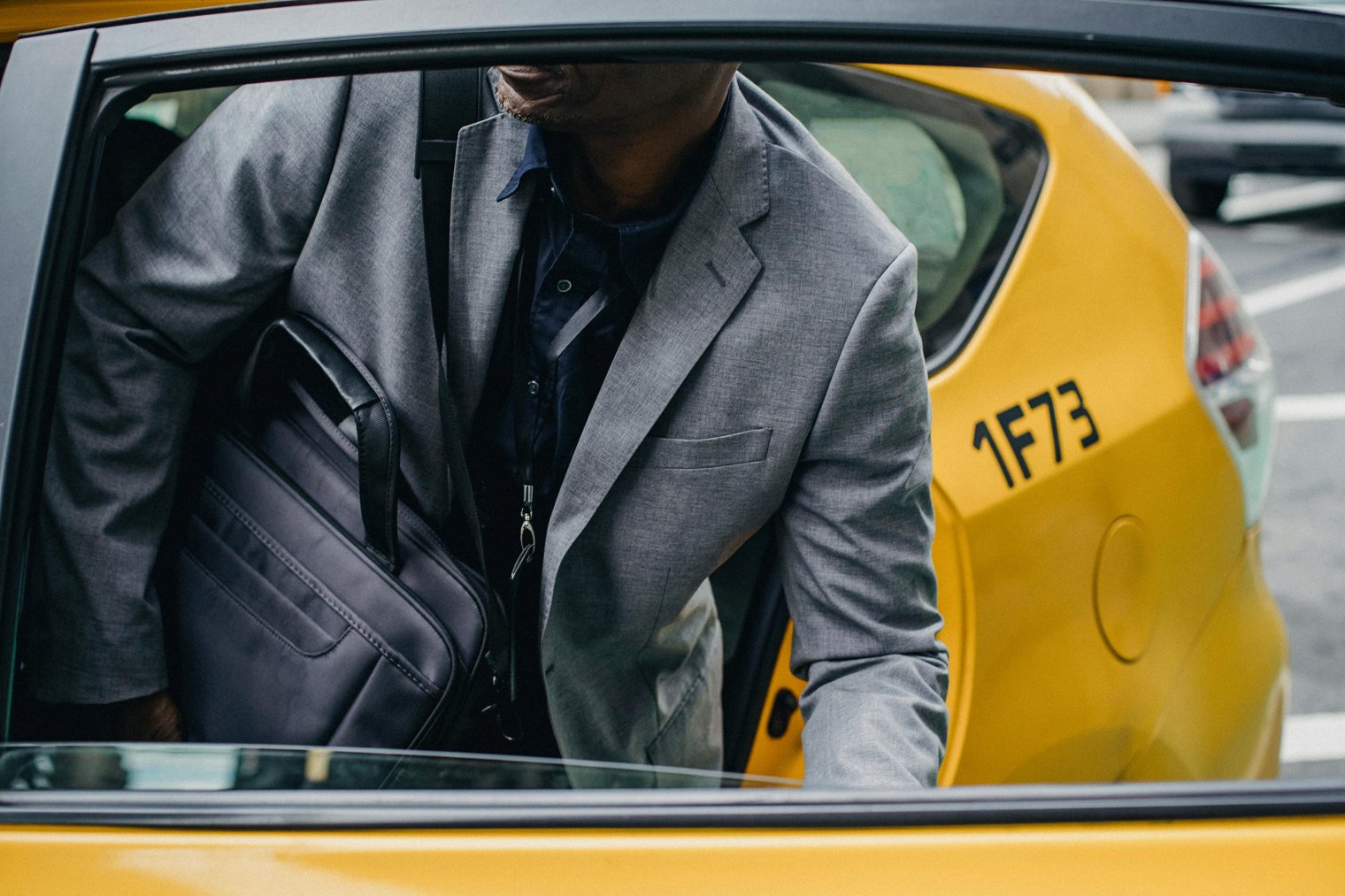
The journey to your new job begins long before you arrive at your desk find your rhythm in a new city.
Moving to a new city for work presents both challenges and opportunities. From learning how to navigate a new commute to adjusting to the pace of life, this journey will teach you valuable skills in both personal growth and professional development. This scenario guides you through the process of finding your way to work in a new city, including tips on managing your time, exploring local transit systems, and settling into your new routine.
7:00 AM: Wake up in your new city, start your day with excitement and a little nervousness.
8:00 AM: Leave your new apartment and head to the nearest public transit station.
8:30 AM: On the bus or subway, observe your surroundings and learn about the city’s vibe.
9:00 AM: Arrive at work, ready to start your first day in a new environment.
6:00 PM: After a productive day, head back home, exploring a new neighborhood on the way.
Overview: A fast-paced city that never stops, perfect for those seeking career opportunities.
Landmarks: Times Square, Central Park, The World Trade Center.
Tips: Avoid peak hour traffic; use the subway to navigate faster.
Overview: A tech hub with a laid-back vibe, surrounded by beautiful views and local history.
Landmarks: Golden Gate Bridge, Alcatraz Island, Fisherman's Wharf.
Tips: Make use of the Muni and BART systems for an easy commute.
Chicago Loop, Illinois
Overview: A busy downtown area filled with culture, commerce, and transit systems.
Landmarks: Willis Tower, Millennium Park, The Art Institute of Chicago.
Tips: Walk or take the 'L' for fast, affordable commuting.
Los Angeles, California: A sprawling city with varied transportation options, from the Metro to biking.
Austin, Texas: A fast-growing city with a tech industry and reliable public transit.
Boston, Massachusetts: Known for its walkability and efficient subway system.
Seattle, Washington: A city surrounded by water, with a great public transit system for commuters.
Miami, Florida: Known for its vibrant culture and access to public buses, Metrorail, and trolleys.
Portland, Oregon: A city with great public transit options and plenty of bike lanes.
Washington, D.C.: Offers multiple options for commuters, including the Metro, buses, and biking.
Denver, Colorado: A city known for its outdoor culture and commuter-friendly transportation system.
Phoenix, Arizona: Known for affordable living and a growing transit network.
Atlanta, Georgia: A southern city with a focus on public transit and transportation expansion.
San Diego, California: A coastal city with a combination of public transport and great walkable neighborhoods.
Minneapolis, Minnesota: A northern city with a growing metro transit system and a lot of parks.
Salt Lake City, Utah: A city that’s easy to navigate, with light rail and buses for commuters.
New Orleans, Louisiana: Known for its colorful culture, with buses and streetcars for easy transit.
Cleveland, Ohio: A city with a rich history and multiple options for public transportation.
Raleigh, North Carolina: A growing city with an expanding public transit network.
Denver, Colorado: Known for its transit options and vast urban area with good connectivity.
San Francisco Bay Area: A diverse region with different transportation options like BART and ferries.
Orlando, Florida: Known for its parks, but also has a decent public transport network.
Dallas, Texas: A city with good public transport links and a growing bicycle culture.
Charlotte, North Carolina: Offers a growing metro system and plenty of walking-friendly areas.
St. Louis, Missouri: A city with a rich history and a comprehensive public transit system.
Miami Beach, Florida: Famous for its ocean views and convenient bus and trolley routes.
Minneapolis, Minnesota: A city with walkable neighborhoods and a reliable light rail system.
Richmond, Virginia: Known for its small-town charm but with city conveniences and good transport options.
Career growth, adjusting to new routines, independence, self-management, urban exploration
1. Lyft: Ride Sharing
2. Uber: Ride Sharing
3. Google Maps: City Navigation
4. Citymapper: Public Transit Navigation
5. Airbnb: Accommodation Options
6. TaskRabbit: Help with Relocation
7. Zipcar: Car Rentals for Short-Term Use
8. Lime: Electric Scooter Rentals
9. Spin: Bike Rentals
10. Transit: Public Transportation App
11. Muni: San Francisco’s Public Transportation System
12. Metro: Washington D.C. Metro System
13. BART: Bay Area Rapid Transit
14. Amtrak: Commuter and Long-Distance Trains
15. Greyhound: Bus Services
16. Hertz: Car Rental Services
17. Best Buy: Tech Gadgets for Commuters
18. Amazon: Commuting Essentials
19. Target: Essentials for Your New City Life
20. Home Depot: Furniture for New Apartments
21. Office Depot: Office Supplies
22. Staples: School & Office Supplies
23. CVS: Health Essentials for City Living
24. Walgreens: Personal Care for New City Life
25. REI: Outdoor Gear for New Urban Living
26. Whole Foods: Organic Groceries
27. Starbucks: Coffee for Your Morning Commute
28. Dunkin’: Quick Coffee for Busy Mornings
29. Panera Bread: Healthy Meals for Busy Days
30. Subway: Healthy Lunch Options
31. Chipotle: Quick, Healthy Lunch
32. Amazon Prime: Delivery for City Residents
33. Google Fi: Mobile Services for City Dwellers
34. T-Mobile: City Mobile Coverage
35. AT&T: Telecommunications for City Living
36. Verizon: Mobile Coverage
37. Apple: Tech Devices for City Life
38. Samsung: Electronics for City Commuters
39. Nike: Comfortable Footwear for City Living
40. REI: Clothing and Gear for Active City Living
41. Amazon: Books for Commuters
42. Audible: Audiobooks for Commutes
43. Spotify: Music for Your Daily Commute
44. Netflix: Relaxation After Work
45. Hulu: Relaxing After a Long Commute
46. Instacart: Grocery Delivery
47. Grubhub: Food Delivery for City Dwellers
48. DoorDash: Food Delivery for Busy Workers
49. Lyft Line: Ride-Sharing with Neighbors
50. Uber Eats: Quick Lunch for Busy Workers
1. Amazon: Furniture, electronics, office essentials.
2. Target: Kitchen essentials and home goods.
3. Best Buy: Tech gadgets for the urban lifestyle.
4. Walmart: Affordable household goods.
5. Home Depot: Furniture and tools for apartment living.
6. REI: Gear for outdoor activities in the city.
7. CVS: Health and wellness items.
8. Walgreens: Essentials for apartment living.
9. Office Depot: Office supplies and tech gadgets.
10. Staples: Office essentials for remote work.
• Updated Address:
• Commuter Card/Pass:
• Mobile Phone & Charger:
• Comfortable Shoes for Walking:
• Wallet & ID:
• Public Transit App:
• Laptop for Work:
• Coffee Mug:
• Backpack for Essentials:
• Water Bottle:
Amazon Echo – For home automation.
Nike Air Max – Comfortable for walking around the city.
Lenovo ThinkPad – A reliable work laptop.
• Long Commutes: Public transport or driving can be time-consuming.
• High Living Costs: Some city areas can be expensive.
• Traffic: It can be hard to navigate crowded streets.
• Limited Green Space: Some urban areas lack parks and nature.
• Noisy Environment: Cities can be loud and overwhelming.
• Expensive Groceries: Living in a city can sometimes lead to higher grocery bills.
• Crowded Public Spaces: Busy streets and public transit can be overwhelming.
• Plan Your Routes: Use transit apps to avoid getting lost.
• Be on Time: Public transit can be unpredictable, so plan ahead.
• Explore on Foot: Walking helps you learn more about your city.
• Carry Snacks: Always have quick snacks for long commutes.
• Stay Organized: Keep track of appointments, meetings, and important tasks.
• Relocate to a Quieter Area: Move to a suburban area if the city is too overwhelming.
• Switch Jobs: Consider finding a position closer to home.
• Work from Home: Seek remote work if commuting becomes too much.
• Explore New Locations: Visit other cities to see if they’re a better fit.
• Embrace City Life: Learn to love the hustle and bustle of urban living.
Events
You must log in to add an event.
Events for this Scenario
No events found for this scenario yet.
Experiences
Please log in to share your experience.