
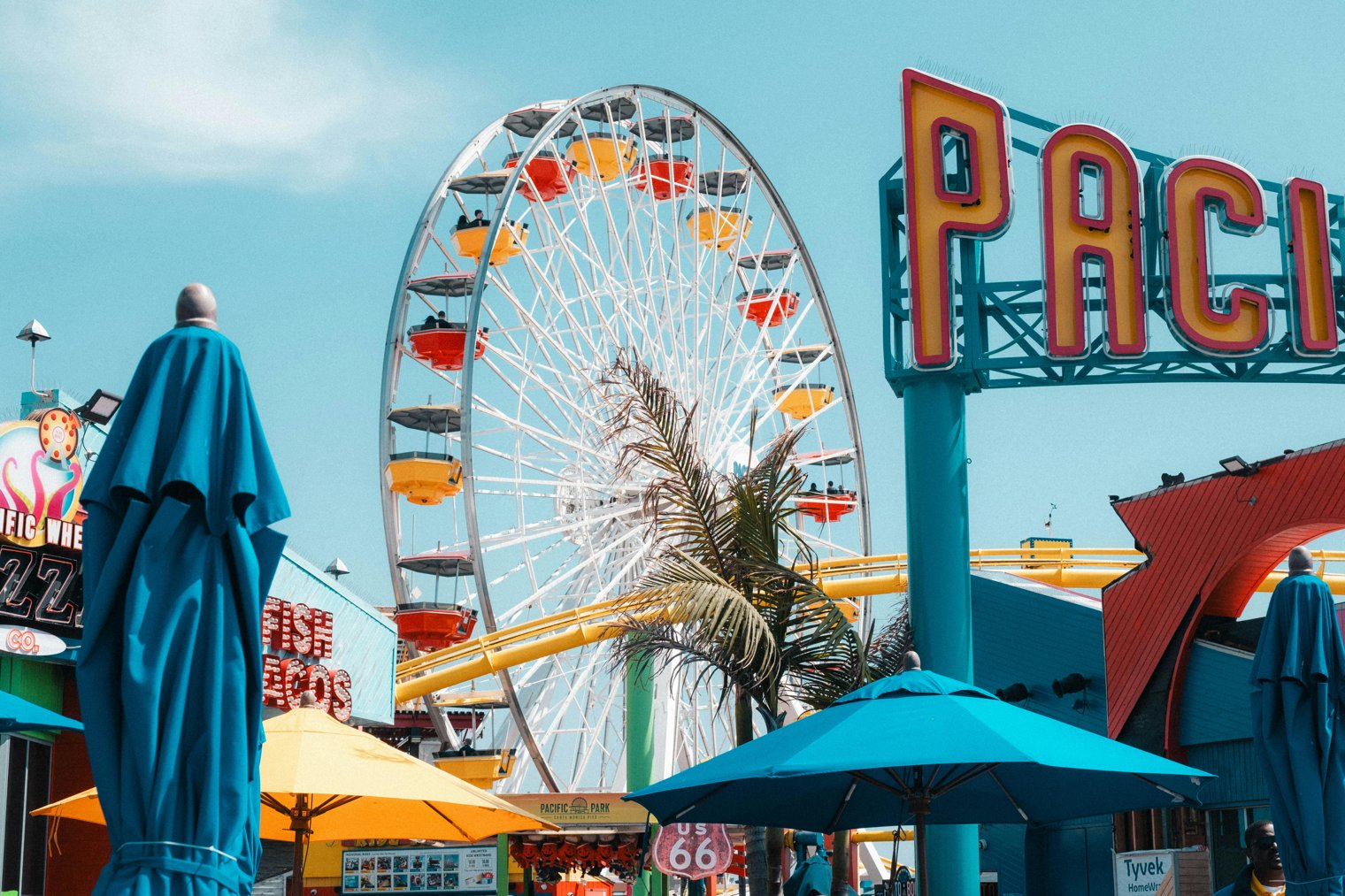
Nature reclaims the thrill find nourishment where laughter once echoed.
When the lights go out and crowds vanish, nature tiptoes back into the picture. Across the world, abandoned amusement parks become haunting, living ecosystems quiet, eerie, and surprisingly edible. Foragers, urban explorers, and renegade botanists search through rusted gates and mossy tracks, collecting wild herbs, edible mushrooms, and fruits bursting through concrete cracks. This isn’t just an adventure it’s a reclaiming of space, story, and survival.
Spring Bloom Zones (March – May): Fresh growth and early greens.
Summer Harvest Trails (June – August): Peak fruiting and wildflowers.
Autumn Spores (September – November): Mushroom clusters and root herbs.
Winter Dormancy (December – February): Focus on decay-tolerant finds.
Equinox Expeditions (Seasonal): Full-moon and solstice foraging hikes.
Six Flags New Orleans, Louisiana: (abandoned park)(service/services)
Overview: One of the most iconic post-Katrina ruins.
Landmarks: Tilted Ferris wheel, graffiti-covered rides, marshland flora.
Tips: Best explored at dawn—watch for snakes and sharp debris.
Overview: A photogenic site where moss grows over carousels and signage.
Landmarks: Pirate ship ride, vine-laced platforms.
Tips: Entry allowed with small fee—bring gloves and a guidebook.
Overview: A forgotten park turned overgrown art installation.
Landmarks: Dinosaur skeletons overtaken by weeds.
Tips: Ideal for mushroom foraging in the cooler months.
Okpo Land (South Korea)
Dadipark (Belgium)
Enchanted Forest (Maryland, USA)
Nara Dreamland (Japan)
Gulliver’s Kingdom (Japan)
Joyland (Kansas, USA)
Land of Oz (North Carolina, USA)
Chippewa Lake Park (Ohio, USA)
Lake Shawnee Amusement Park (West Virginia, USA)
Heritage USA (South Carolina, USA)
Camelot Theme Park (UK)
Fantasy World (Philippines)
Rocky Point Park (Rhode Island, USA)
Wonderland Amusement Park (China)
Mirapolis (France)
Holy Land USA (Connecticut, USA)
Jazzland (Louisiana, USA)
Williams Grove (Pennsylvania, USA)
Magic Harbor (South Carolina, USA)
Spreepark (Germany)
Zamperla Test Park (Italy)
White Swan Park (Pennsylvania, USA)
Disney’s River Country (Florida, USA)
Mimaland (Malaysia)
Fun Spot (Indiana, USA)
Decay, rebirth, thrill-turned-still, survival instinct, and the memory of joy.
1. Field Guide Co.: Plant ID Books
2. Morakniv: Foraging Blades
3. Mycology Gear: Spore Prints & Kits
4. REI: Urban Survival Gear
5. Lupine Light Systems: Headlamps for Overgrowth
6. Patagonia: All-Weather Apparel
7. Helinox: Packable Cooking Stools
8. Grayl: Water Purifiers
9. Rite in the Rain: Waterproof Field Journals
10. Trangia: Minimal Cook Systems
11. Seek App: Plant & Mushroom ID
12. YouTube: Abandoned Park Explorations
13. Reddit: Foraging & Urbex Threads
14. Instagram: Abandoned Beauty Channels
15. Spotify: Exploration & Solitude Playlists
16. Audible: Nature Memoirs & Survival Guides
17. Google Earth: Explore Sites Virtually
18. Airbnb Experiences: Local Foraging Walks
19. Pinterest: Post-Apocalyptic Aesthetic Boards
20. AllTrails: Pathfinding Through Urban Overgrowth
1. REI: Gaiters, guidebooks, mushroom knives.
2. Amazon: Mycology kits, edible plant flashcards.
3. Walmart: Trail snacks, portable pots, gloves.
4. Bass Pro Shops: Backpacks, filters, boots.
5. CVS: First-aid kits, anti-fungal spray.
6. Target: Bug spray, layers, lanterns.
7. Tractor Supply: Field tools and water storage.
8. IKEA: Field-safe storage boxes.
9. Dick’s Sporting Goods: Trail wear and sun gear.
10. Local Bookstores: Regional foraging guides.
• Mushroom Field Guide (ID & Avoidance):
• Foraging Knife (Precision Harvest):
• Gloves (Rust & Root Protection):
• Waterproof Journal (Note Finds):
• Camera (Document the Decay):
• Hand Sanitizer (Post-Gathering Cleanse):
• Headlamp (Early Entry/Exit):
• Signal Whistle (Group Safety):
• Field Stove (Cook Wild Meals):
• Water Filter Straw (Stay Hydrated):
Morakniv Companion (Forager’s Classic Tool)
Rite in the Rain Notebook (Field-Proof Logs)
Trangia Mini Set (Heat Your Wild Finds)
Lupine Piko R Headlamp (For Night Entry)
Grayl UltraPress (Filter On the Go)
• Rust & Rot: Sharp edges and unstable surfaces.
• Trespassing Laws: Not always legal to enter.
• Toxic Plants: Mistaken ID can be dangerous.
• Urban Wildlife: Snakes, raccoons, and wasps.
• Weathering: Flash rain can trap you.
• Decay Hazards: Collapsing wood, ride frames.
• Limited Cell Signal: Can’t rely on tech alone.
• Scout in Daylight: Know the paths first.
• Stick with a Buddy: Safety in numbers.
• Carry Local Maps: Mark your finds.
• Always Double Check: Especially with fungi.
• Leave Nothing: Respect the decay.
• Document Growth: Watch nature reclaim.
• Warm Down with Tea: Rituals matter after the rust.
• Start a Foraging Zine: Blend visuals and tips.
• Run Urban Ecology Walks: Teach renewal.
• Build a Documentary: Show decay’s beauty.
• Write a Guidebook: “Eats & Echoes” edition.
• Design Post-Human Recipes: Meals from forgotten places.
Events
You must log in to add an event.
Events for this Scenario
No events found for this scenario yet.
Experiences
Please log in to share your experience.
Time
Must See Locations:
Moments Among the Ruins:
First Leaf Break: Identifying something edible beneath a cotton candy sign.
Echo Laughter: Hearing the wind rattle ride chains like distant screams.
The Feast: Cooking found greens and wild berries near a crumbling funhouse.