
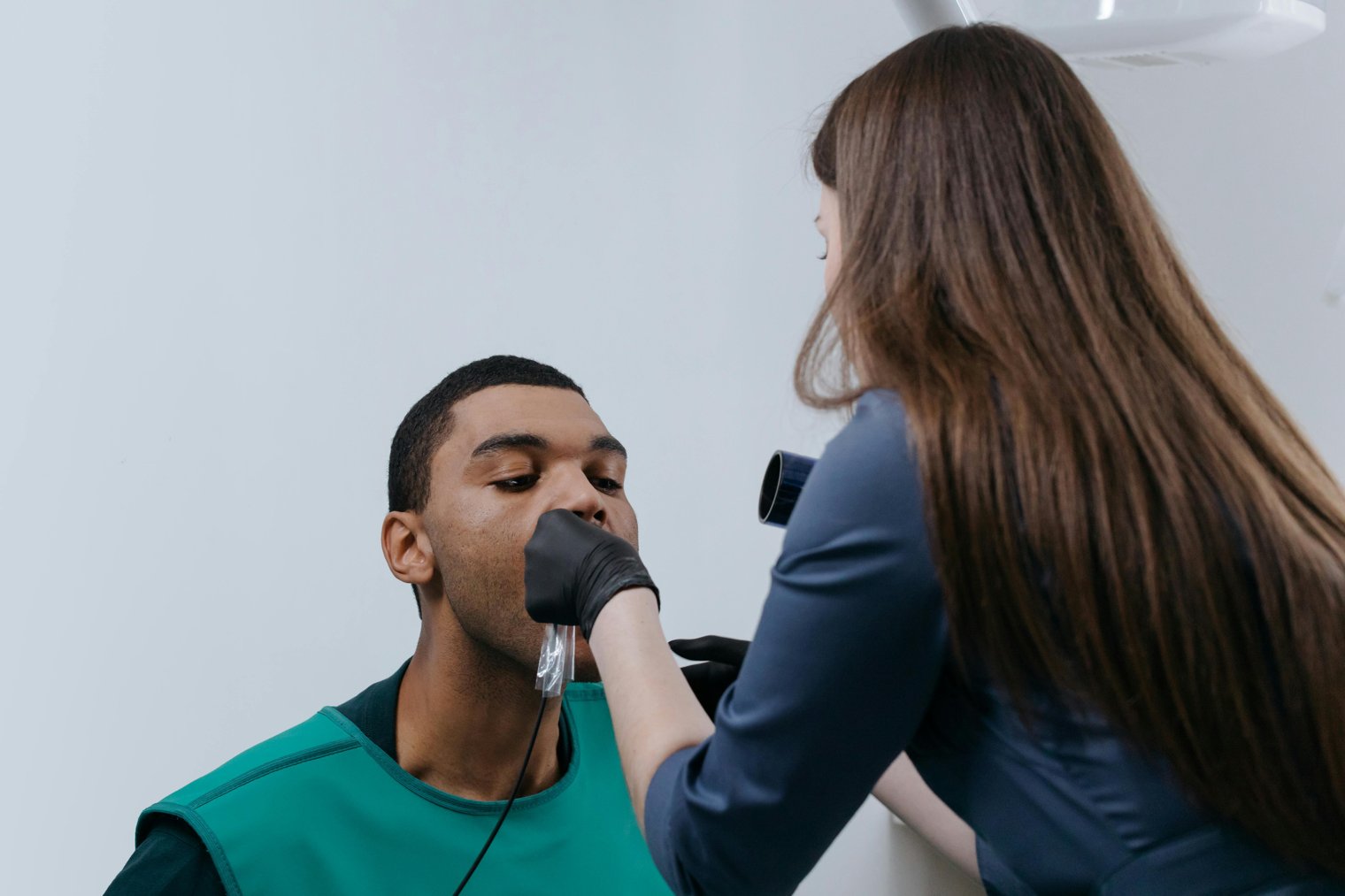
A simple scan, a stronger future – detecting bone health with precision.
Getting a bone density scan, also known as a DEXA scan, is a non-invasive test that measures the density of your bones. The procedure helps identify bone health, detect osteoporosis, and assess fracture risk. The scan is quick and painless, providing valuable insights into the strength of your bones, especially for individuals over 50 or those with risk factors for bone disease. This scenario walks you through the steps of preparing for and undergoing a bone density scan.
8:30 AM: You arrive at the medical imaging center for your scheduled scan.
8:35 AM: The technician explains the procedure and gets you ready for the scan.
8:40 AM: You lie on the table as the technician positions you for the scan.
8:45 AM: The bone density scan begins, and you stay still for a few minutes while the machine works.
8:50 AM: The scan is complete, and the technician provides instructions for follow-up and next steps.
Cedars-Sinai Medical Center (Los Angeles, CA)
Overview: A renowned hospital offering state-of-the-art diagnostic imaging, including bone density scans.:
Landmarks: Modern imaging department with clear signage to guide patients to their appointments.:
Tips: Cedars-Sinai is known for its patient care and attention to detail, ensuring a smooth experience.:
Mayo Clinic (Rochester, MN)
Overview: A world-leading medical facility offering advanced imaging technologies, including DEXA scans.:
Landmarks: The Imaging Center, part of the expansive Mayo Clinic campus.:
Tips: This location has an excellent reputation for patient comfort during medical procedures.:
Overview: A prestigious healthcare provider offering comprehensive services, including bone density testing.:
Landmarks: A large medical campus with specialized imaging departments.:
Tips: NYU Langone Health offers patient-centric care and comfortable facilities for quick procedures.:
UCSF Medical Center (San Francisco, CA)
Johns Hopkins Medicine (Baltimore, MD)
The Cleveland Clinic (Cleveland, OH)
Memorial Sloan Kettering Cancer Center (New York, NY)
Stanford Health Care (Stanford, CA)
Northwestern Memorial Hospital (Chicago, IL)
Mount Sinai Health System (New York, NY)
Scripps Health (San Diego, CA)
HealthFirst (New York, NY)
UCLA Health (Los Angeles, CA)
NYU Langone Health (New York, NY)
Mayo Clinic (Rochester, MN)
Houston Methodist Hospital (Houston, TX)
Kaiser Permanente (Multiple Locations, USA)
University of Chicago Medical Center (Chicago, IL)
Cleveland Clinic Florida (Weston, FL)
Cedars-Sinai Medical Center (Los Angeles, CA)
Rush University Medical Center (Chicago, IL)
Memorial Hermann Health System (Houston, TX)
Brigham and Women’s Hospital (Boston, MA)
Duke University Hospital (Durham, NC)
St. Jude Children’s Research Hospital (Memphis, TN)
The University of Washington Medical Center (Seattle, WA)
Mayo Clinic Health System (La Crosse, WI)
Mount Sinai West (New York, NY)
Bone health, early detection, prevention, medical technology, aging
1. DEXA: Brand
2. T-Score: Medical term
3. Mayo Clinic: Medical Center
4. Cedars-Sinai: Medical Center
5. Caremark: Pharmacy
6. Walgreens: Pharmacy
7. RX Vitamins: Brand
8. Prolia: Brand
9. Bone Health Center: Brand
10. Ambra Health: Brand
11. Humana: Insurance
12. Abbott: Brand
13. TeleHealth Services: Brand
14. Direct Primary Care: Brand
15. T-Score: Product
16. Lumos: Brand
17. BONEcare: Brand
18. Merck: Brand
19. Pfizer: Pharmaceutical
20. Blue Cross Blue Shield: Insurance
21. One Medical: Health Provider
22. Lumbar Spine Diagnostics: Medical Center
23. Orthopedic Institute: Health Provider
24. Repatha: Brand
25. Heartland Health: Medical Center
1. MyChart: Access your medical history and request a bone density scan appointment.
2. Mayo Clinic: Schedule your bone density scan at their imaging center.
3. Walgreens: Pick up calcium and vitamin D supplements for bone health.
4. Amazon: Purchase a digital food scale to help track calcium-rich foods in your diet.
5. Quest Diagnostics: Schedule an appointment for diagnostic imaging.
6. HealthInsuranceMarketplace: Review coverage options for bone density testing.
7. DirectPrimaryCare.com: Find a healthcare provider for regular check-ups.
8. RX Vitamins: Buy vitamins to support bone health before and after your scan.
9. Ambra Health: Review medical imaging services for bone density scans.
10. Humana: Check your insurance benefits for coverage of diagnostic procedures.
• Health insurance or payment method for the procedure:
• Medical ID card:
• Prescription for the scan if necessary:
• A list of current medications, if applicable:
• Bone health supplements (calcium, vitamin D):
• A journal to track your health progress:
• Comfortable clothing for the scan:
• A book or device to pass time during the scan:
• Water bottle for hydration:
• A friend or family member for support, if needed:
• T-Score (Bone health test result)
• Calcium Carbonate (Supplement)
• Prolia (Osteoporosis treatment)
• Vitamin D3 (Supplement)
• Ambra Imaging Solutions (Medical imaging services)
Some people experience anxiety during medical imaging procedures.
Bone density tests are not always covered by insurance.
It may take several days to get your results, leading to anxiety.
The scan may not provide a complete picture of your bone health.
Some patients may feel discomfort lying still for the scan.
The procedure could lead to a sense of vulnerability if a condition like osteoporosis is diagnosed.
If the results are poor, additional tests or treatments may be required.
Visit your doctor regularly for bone health screenings.
Follow a diet rich in calcium and vitamin D.
Exercise regularly to maintain bone strength.
Take bone health supplements as prescribed.
Avoid smoking or excessive alcohol consumption to protect bone health.
Check your T-Score regularly as part of a health routine.
Keep up with medication schedules, if prescribed for bone health.
Start a treatment plan with your doctor based on the results of your scan.
Follow up with additional scans if recommended by your doctor.
Adjust your lifestyle to include more bone-strengthening activities and nutrients.
Work with a physical therapist to improve bone health and mobility.
Schedule periodic follow-ups with your doctor for regular monitoring.
Events
You must log in to add an event.
Events for this Scenario
No events found for this scenario yet.
Experiences
Please log in to share your experience.