
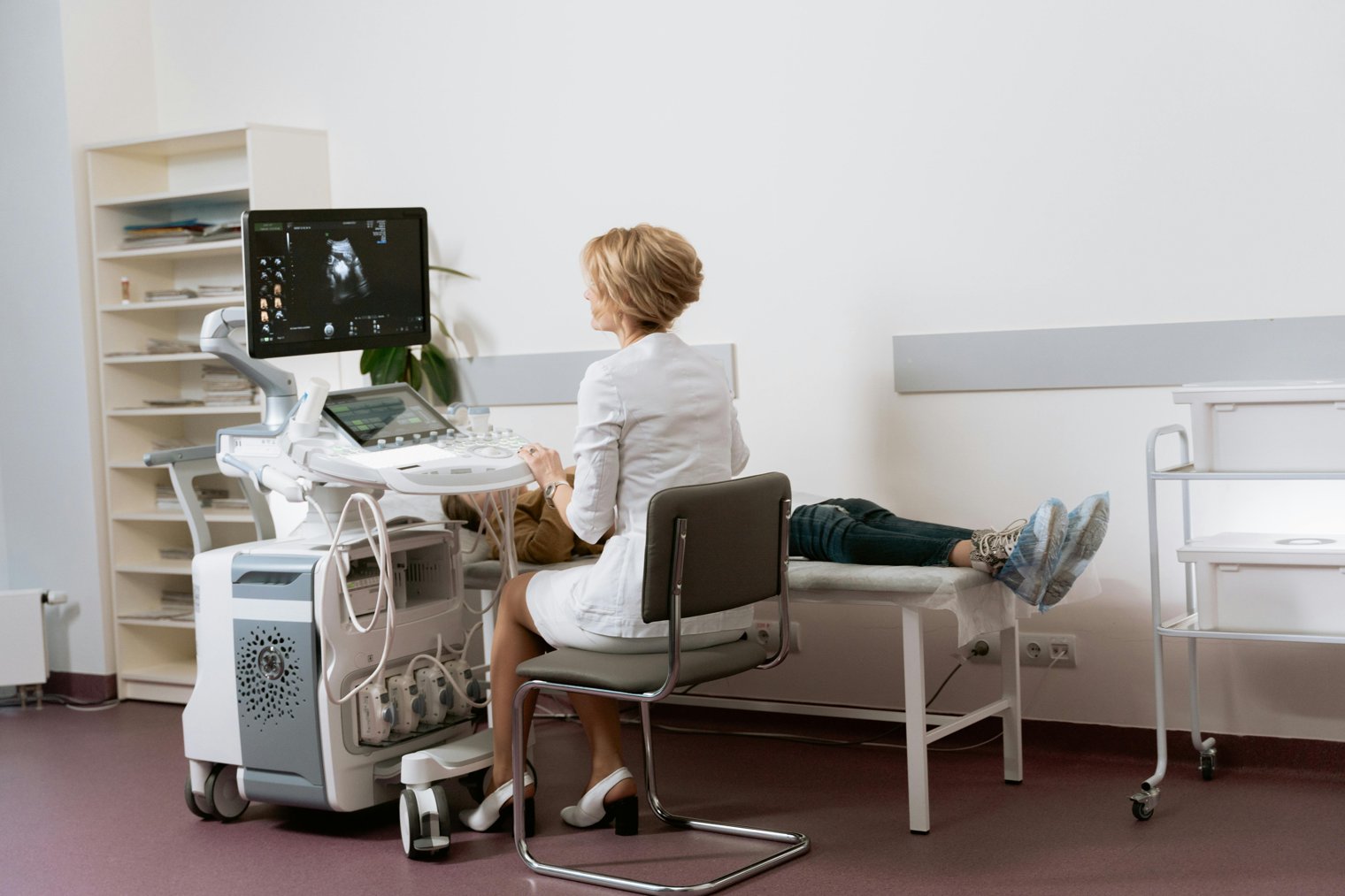
A routine check-up for your health understanding the importance of getting a Pap smear.
A Pap smear is a routine screening test used to detect cervical cancer and other abnormalities in the cervix. It involves collecting a sample of cells from the cervix to examine under a microscope. This test is essential for women’s health and is typically recommended every three years for women between the ages of 21 and 65. The scenario outlines the process of getting a Pap smear, from preparation to understanding the results and the importance of follow-up care.
8:30 AM: You arrive at the clinic, check in, and wait in the reception area for your appointment.
8:40 AM: The nurse calls you in, and you are escorted to the examination room.
8:45 AM: You change into a medical gown and lie on the examination table for the Pap smear.
8:50 AM: The doctor performs the Pap smear, explaining each step of the procedure.
9:00 AM: After the procedure, the doctor discusses the results, provides instructions, and schedules your next screening.
Planned Parenthood (Los Angeles, CA) - A trusted organization providing reproductive health services, including Pap smears and other screenings.
Mayo Clinic (Rochester, MN) - A globally recognized medical center offering comprehensive women's health services, including cervical cancer screenings.
Women's Health Clinic (New York, NY) - Provides regular screenings and routine check-ups, including Pap smears for women of all ages.
Planned Parenthood (San Francisco, CA)
Mount Sinai Hospital (New York, NY)
Women's Health Center (Chicago, IL)
Cleveland Clinic (Cleveland, OH)
Kaiser Permanente (Los Angeles, CA)
Boston Medical Center (Boston, MA)
Health Partners (Minneapolis, MN)
Johns Hopkins Medicine (Baltimore, MD)
University of California Medical Center (Los Angeles, CA)
University of Michigan Health System (Ann Arbor, MI)
Yale Medicine (New Haven, CT)
Memorial Hermann Health System (Houston, TX)
Sutter Health (San Francisco, CA)
Mercy Health (Cincinnati, OH)
Mayo Clinic (Phoenix, AZ)
Northwestern Medicine (Chicago, IL)
Stanford Health Care (Palo Alto, CA)
NYU Langone Health (New York, NY)
Cedars-Sinai Medical Center (Los Angeles, CA)
Emory Healthcare (Atlanta, GA)
University of Chicago Medicine (Chicago, IL)
Rutgers Health (New Brunswick, NJ)
Tulane Medical Center (New Orleans, LA)
Baptist Health (Miami, FL)
Mount Carmel Health System (Columbus, OH)
Preventative Care
Women's Health
Reproductive Health
Early Detection
Empowerment
1. Planned Parenthood: Health Services
2. Mayo Clinic: Medical Services
3. ZocDoc: Online Appointment Booking
4. Healthgrades: Doctor Reviews
5. Walgreens: Health Supplies
6. CVS: Pharmacy
7. Google Health: Medical Information
8. Your Local Health Department: Health Services
9. Planned Parenthood Direct: Telemedicine
10. 1-800-Doctor: Medical Services
1. ZocDoc (Online Appointment Scheduling): Book a Pap smear appointment with a gynecologist.
2. Walgreens (Feminine Care Products): Purchase items like feminine wipes or pads to prepare for your appointment.
3. Planned Parenthood (Reproductive Health Services): Schedule your screening with an accessible and reliable provider.
4. Your Gynecologist’s Office (Health Provider): Contact for questions about your upcoming Pap smear.
5. CVS Pharmacy (Medication): Pick up any medications or pain relievers for post-appointment comfort.
6. Healthgrades (Find a Doctor): Search for gynecologists near you who offer Pap smears and other services.
7. Amazon (Health Products): Order feminine health products, like wipes or personal care kits, for use after the appointment.
8. Women’s Health Clinic (Routine Check-Up): Schedule regular visits to monitor your health with Pap smears.
9. The Feminist Women’s Health Center (Educational Resources): Learn more about your health and preventative screenings.
10. WebMD (Health Resources): Understand what a Pap smear is and what to expect during the procedure.
• Appointment Confirmation (For Pap Smear):
• Personal ID (For Registration):
• Insurance Information (For Coverage):
• Comfortable Clothing (For Ease of Examination):
• Health History (For Discussion with the Doctor):
• Aftercare Instructions (Provided by the Clinic):
• Hydration (Post-Test Recovery):
• A Supportive Friend (If Needed for Comfort):
• Phone (To Call and Confirm Appointment):
• Post-Test Relaxation Plan (To Manage Any Discomfort):
• Always (Feminine Pads and Hygiene Products)
• Vagisil (Feminine Hygiene Products)
• KY Jelly (Lubricant for Comfort During the Exam)
• Eucerin (Skin Care for Post-Procedure Comfort)
• Tylenol (Pain Reliever for Post-Test Comfort)
• Discomfort: While the procedure is quick, some may experience mild discomfort during the exam.
• Anxiety: Many women feel nervous or anxious about the procedure.
• Possible False Results: In rare cases, the Pap smear may return inconclusive results that require a follow-up.
• Cost: The test may not be fully covered by all insurance plans, especially for younger women.
• Preparation: Some patients may find the preparation (like avoiding certain products) inconvenient.
• Limited Availability: Not all clinics may have the necessary resources or equipment to perform the test.
• Post-Test Spotting: Some women may experience light spotting after the test, which can cause concern.
• Regular Screening: Getting Pap smears as part of an ongoing preventive care routine.
• Healthy Lifestyle: Following a diet and exercise routine to promote overall health.
• Emotional Check-In: Taking time to reflect on how you feel before and after the test.
• Keeping Records: Tracking the results of previous tests and scheduling follow-up appointments.
• Hydration: Staying hydrated after the test to help with any possible side effects.
• Post-Test Care: Following the doctor's aftercare instructions for comfort and safety.
• Knowledge Sharing: Sharing information about Pap smears with others to promote awareness.
• Schedule Follow-Up: Based on the test results, schedule a follow-up visit with your doctor.
• Continue Health Monitoring: Keep up with regular health screenings and self-checks.
• Share Results: Discuss the results with your doctor and understand the next steps.
• Support Advocacy: Consider joining support groups for women's health advocacy.
• Maintain Healthy Habits: Stay consistent with a healthy lifestyle to reduce future health risks.
Events
You must log in to add an event.
Events for this Scenario
No events found for this scenario yet.
Experiences
Please log in to share your experience.