
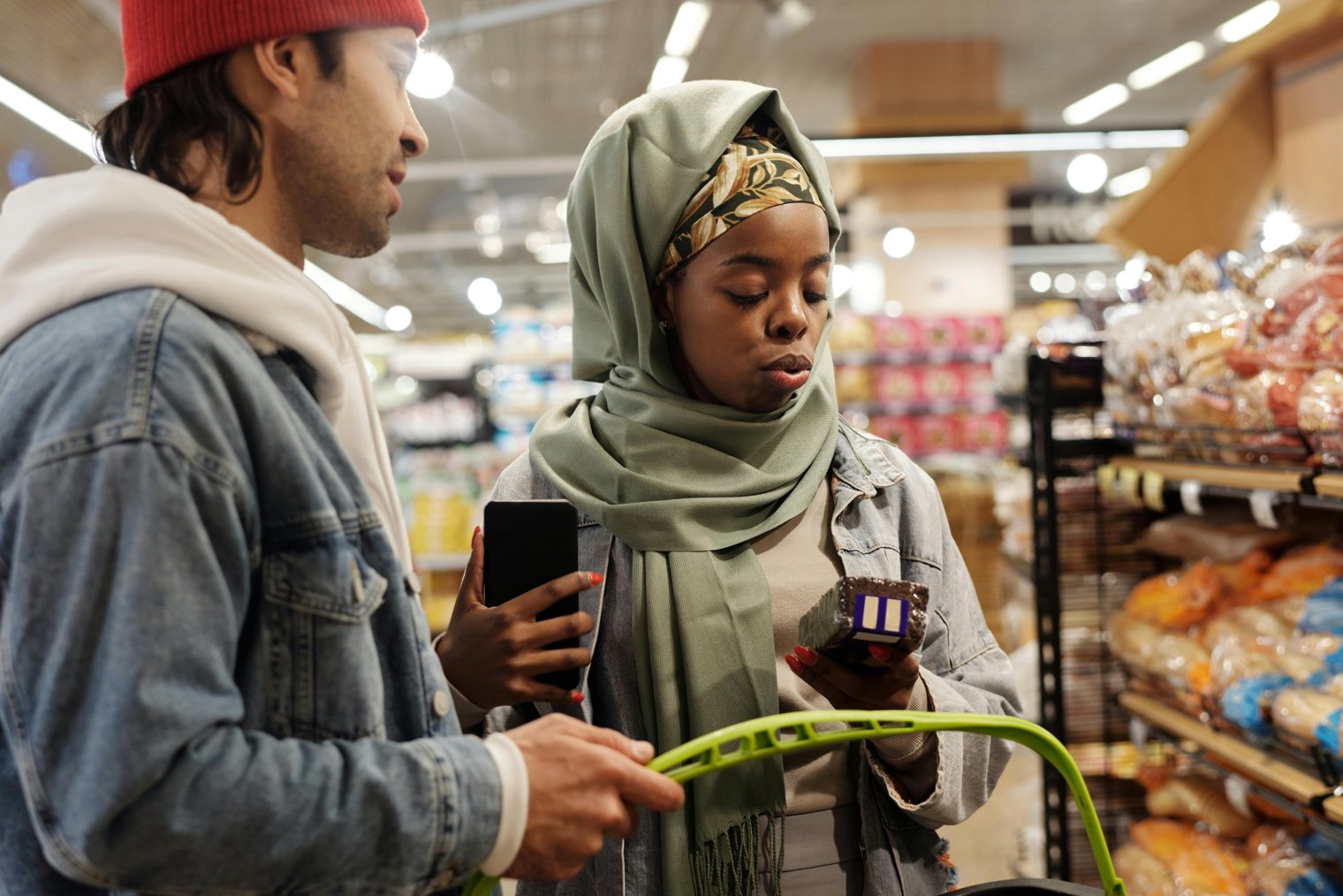
From meal prep to stocking up on essentials make grocery shopping a seamless experience.
Grocery shopping is a routine task, but it’s one that plays a crucial role in daily life. Whether you’re preparing for the week ahead, grabbing last-minute items for dinner, or simply stocking up on pantry staples, navigating a supermarket or grocery store can be a mix of convenience, decisions, and the occasional frustration. This scenario will guide you through the essential steps to make your grocery shopping experience easier, more organized, and even enjoyable.
Early Morning (7:00 AM – 9:00 AM): The calmest time to shop when stores are less crowded and the shelves are freshly stocked.
Midday Rush (11:00 AM – 1:00 PM): When the lunch crowd arrives; more bustle and variety in what’s available.
Late Afternoon (4:00 PM – 6:00 PM): After work hours when many people stop by to pick up groceries for dinner.
Weekend Shopping (Flexible): Typically busier, but a great time to browse for new products and try something different.
Austin, Texas: (food/culture)(service/services)
Overview: Austin is known for its eclectic food scene, from taco trucks to local farmer’s markets.
Landmarks: Central Market, Whole Foods flagship.
Tips: Explore local grocery stores that support Austin's farm-to-table movement.
Overview: LA offers a mix of high-end organic markets and ethnic supermarkets catering to diverse tastes.
Landmarks: Erewhon Market, Grand Central Market.
Tips: Take advantage of the abundance of fresh produce and international ingredients.
Overview: The city offers unique grocery experiences, from corner delis to high-end organic stores.
Landmarks: Trader Joe’s, Whole Foods, Union Square Greenmarket.
Tips: Visit specialty grocery stores for organic or artisanal items, especially in neighborhoods like Williamsburg or SoHo.
Austin (TX)
Los Angeles (CA)
New York City (NY)
San Francisco (CA)
Seattle (WA)
Chicago (IL)
Portland (OR)
Denver (CO)
Miami (FL)
Washington D.C.
Phoenix (AZ)
Philadelphia (PA)
Dallas (TX)
Boston (MA)
Salt Lake City (UT)
Minneapolis (MN)
Charlotte (NC)
Kansas City (MO)
Richmond (VA)
Orlando (FL)
Nashville (TN)
Detroit (MI)
Atlanta (GA)
Raleigh (NC)
Indianapolis (IN)
Convenience, decision-making, family, sustainability, food culture, organization.
1. Whole Foods: Organic Groceries & Products
2. Trader Joe’s: Affordable Healthy Groceries
3. Instacart: Grocery Delivery
4. Walmart: Budget-Friendly Essentials
5. Amazon Fresh: Grocery Shopping Online
6. Costco: Bulk Shopping & Savings
7. Blue Apron: Meal Kits & Fresh Ingredients
8. FreshDirect: Online Grocery Service
9. Shipt: Grocery Delivery
10. Sprouts Farmers Market: Organic & Natural Foods
11. Thrive Market: Organic Grocery Shopping
12. Postmates: Food Delivery
13. Target: General Groceries & Essentials
14. Safeway: Supermarket Chain
15. Penzeys Spices: Spices & Seasonings
16. The Fresh Market: Specialty Groceries
17. Local Farmers Markets: Fresh, Local Produce
18. CVS: Convenience Stores for Snacks
19. Peapod: Grocery Delivery Service
20. ButcherBox: Premium Meat Delivery
1. Whole Foods: Organic products, fresh produce, specialty items.
2. Trader Joe’s: Affordable healthy foods, snacks, and unique products.
3. Walmart: Budget-friendly groceries and household essentials.
4. Costco: Bulk-buying for large families or stocking up for the future.
5. Target: Essentials and healthy meal options for the busy shopper.
6. FreshDirect: Online ordering and delivery for fresh groceries.
7. Safeway: Grocery store for general shopping needs.
8. Local Farmers Markets: Buy fresh, local produce directly from the grower.
9. Amazon Fresh: Online grocery shopping for convenience and delivery.
10. Postmates: Delivery service for grabbing grocery essentials last minute.
• Reusable Shopping Bags (Eco-Friendly Storage):
• Fresh Produce (Fruits & Vegetables):
• Protein (Meats, Tofu, or Legumes):
• Dairy or Dairy Alternatives (Milk, Cheese, Plant-Based Options):
• Grains (Rice, Pasta, Quinoa):
• Spices (Salt, Pepper, Your Favorite Seasonings):
• Snacks (Chips, Granola Bars, Nuts):
• Beverages (Juice, Coffee, Water):
• Household Essentials (Toilet Paper, Cleaning Supplies):
• Non-Perishable Goods (Canned Goods, Boxed Meals):
Keurig Coffee Maker (Morning Coffee Made Easy)
Instant Pot (Quick and Easy Meal Prep)
Hydro Flask Water Bottle (Stay Hydrated on the Go)
OXO Good Grips (Kitchen Tools and Gadgets)
Vitamix Blender (For Smoothies and Sauces)
• Crowds: The stress of busy stores, especially on weekends or holidays.
• Overwhelming Choices: Having too many options can make decision-making harder.
• Impulse Buys: Buying items you don’t need just because they’re on sale or look appealing.
• Long Lines: The frustration of waiting in long lines at checkout.
• Forgetting Items: Realizing you missed a key ingredient after you’ve checked out.
• Cost: The price of healthy or organic foods can quickly add up.
• Time Consuming: Shopping takes time, especially if you’re juggling other tasks.
• Make a List: Avoid unnecessary purchases by knowing exactly what you need.
• Stick to the Perimeter: Focus on fresh produce and the outer aisles for healthier options.
• Use Coupons: Take advantage of discounts or reward programs at stores.
• Meal Plan: Plan your meals for the week to avoid buying items you won’t use.
• Be Mindful of Packaging: Opt for products with minimal packaging when possible.
• Shop During Off-Peak Hours: Try to shop early or late to avoid the crowds.
• Bring Reusable Bags: Reduce waste and help the environment by using reusable bags.
• Reorganize Your Pantry: After shopping, take a moment to clean and organize your pantry for easier meal prep.
• Donate Extra: If you over-purchase, donate non-perishable food to your local food bank.
• Start a Shopping Budget: Set a monthly grocery budget and stick to it for savings.
• Batch Cook: Prepare meals for the week ahead to avoid daily shopping trips.
• Stay Sustainable: Choose products with recyclable packaging and focus on buying local produce.
Events
You must log in to add an event.
Events for this Scenario
No events found for this scenario yet.
Experiences
Please log in to share your experience.
Time
Must See Locations:
Memorable Grocery Moments:
Discovering New Products: The thrill of finding a new snack or ingredient that you’ve never tried before.
Navigating the Aisles: The decision-making process when choosing between different brands, organic vs. non-organic, or trying something new.
Bagging the Groceries: The satisfaction of seeing your cart full and knowing you’re ready for the week ahead.