
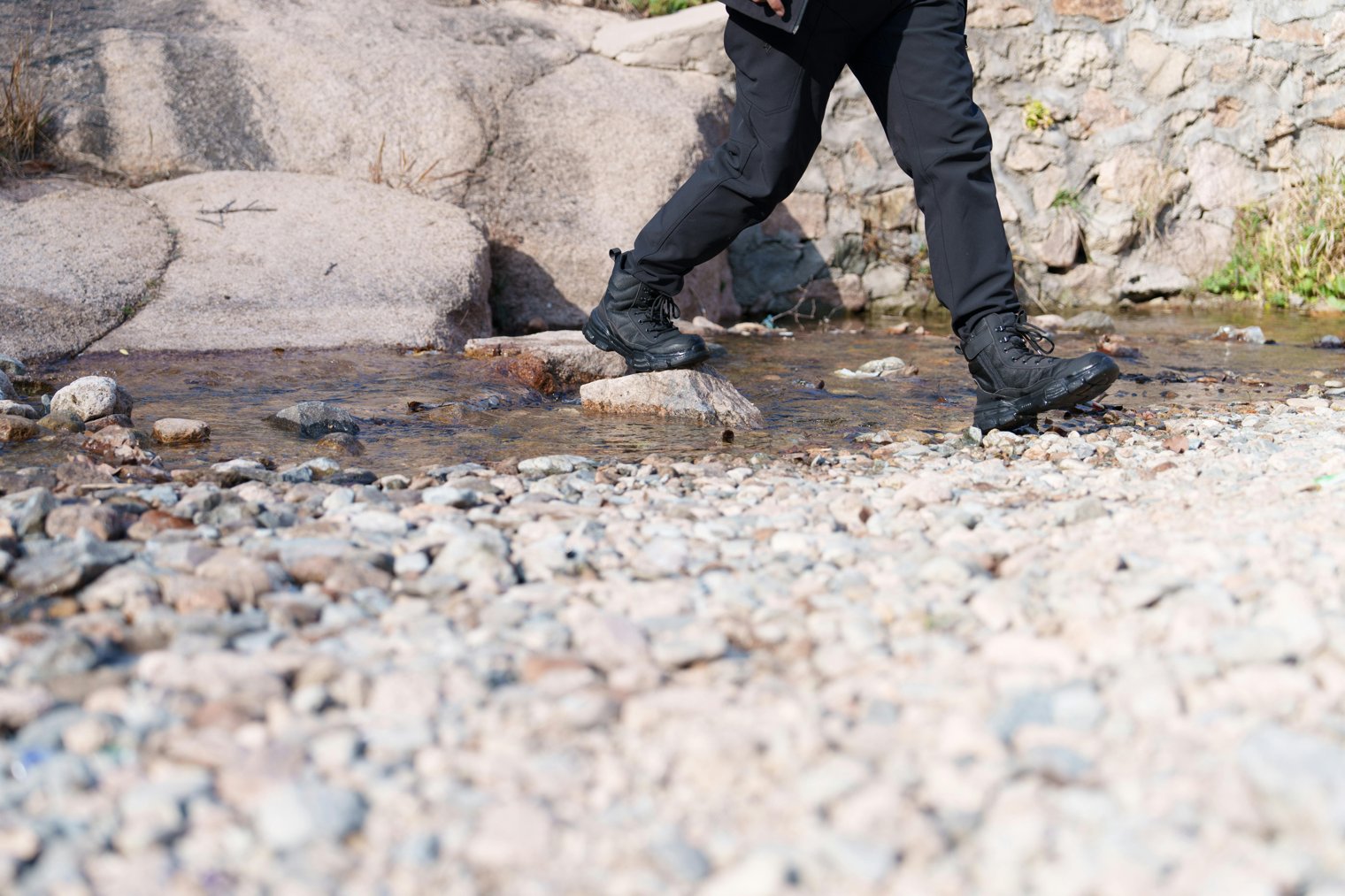
Conquer the wild one step at a time on the legendary Appalachian Trail.
The Appalachian Trail stretches over 2,100 miles from Georgia to Maine, offering a once-in-a-lifetime adventure for outdoor enthusiasts. Whether you’re a weekend hiker or attempting the full thru-hike, the trail provides a diverse array of landscapes, challenges, and moments of introspection. This scenario will guide you through the essentials of preparing for the trail, including gear, timeframes, landmarks, and other hikers you’ll meet along the way.
Spring Hiking (March – May): Temperatures rise, flowers bloom, and the trail comes alive.
Summer Adventures (June – August): Longer days, warmer weather, and the perfect time for a full trek.
Fall Foliage (September – November): Vibrant autumn colors and cooler temperatures.
Winter Wilderness (December – February): Snow-capped peaks and a quieter, more isolated experience.
Thru-Hiking Season (April – October): The peak season for those completing the entire Appalachian Trail.
Overview: The southern terminus of the Appalachian Trail.
Landmarks: Amicalola Falls, Springer Mountain Summit.
Tips: Start with a short hike to get acclimated to the terrain.
Overview: The highest point on the Appalachian Trail.
Landmarks: Clingmans Dome Observation Tower, Great Smoky Mountains National Park.
Tips: Be prepared for wind and cold temperatures, even in summer.
Overview: The northern terminus and the final challenge of the Appalachian Trail.
Landmarks: Baxter State Park, Knife Edge Trail.
Tips: Finish strong by watching the sunrise from the top for an unforgettable view.
Fontana Dam (North Carolina): A massive dam and iconic photo op.
Hot Springs (North Carolina): Relaxing town with hot springs for weary hikers.
Roan Mountain (Tennessee/North Carolina): High elevation meadows and panoramic views.
Grayson Highlands (Virginia): Wild ponies and alpine scenery.
Shenandoah National Park (Virginia): Scenic vistas and a haven for wildlife.
Harper’s Ferry (West Virginia): A historic town where the AT passes through.
Mount Washington (New Hampshire): Known for extreme weather and alpine beauty.
The Great Smoky Mountains (Tennessee/North Carolina): Ancient mountain range with diverse ecosystems.
McAfee Knob (Virginia): One of the most photographed spots on the trail.
Newfound Gap (Tennessee): A major gap that connects North Carolina and Tennessee.
Tuckerman Ravine (New Hampshire): Popular for winter sports and rugged terrain.
The Three Ridges (Virginia): A challenging section with stunning views.
Mount Moosilauke (New Hampshire): A rewarding hike with expansive vistas.
Laurel Fork Wilderness (Tennessee): Remote and serene, perfect for solitude.
Big Meadows (Virginia): A peaceful meadow with a shelter to rest.
Mount Greylock (Massachusetts): The highest point in Massachusetts with sweeping views.
The Knife Edge (Maine): A narrow, dangerous ridge leading to Mount Katahdin.
Smokemont (North Carolina): A beautiful campground for through-hikers.
Mount Liberty (New Hampshire): A challenging hike with epic views.
The NOC (North Carolina): A hiker’s stop in the Nantahala Outdoor Center.
Pine Grove Furnace (Pennsylvania): A historic spot along the trail with unique features.
Overmountain Shelter (North Carolina): A large, historic barn turned shelter.
The Shawangunk Mountains (New York): A beautiful and rocky section of the trail.
Standing Indian Mountain (North Carolina): A peaceful area with wildflower-filled meadows.
The White Mountains (New Hampshire): High-altitude terrain with dramatic landscapes.
Adventure, perseverance, solitude, nature, and challenge.
1. REI: Outdoor Gear and Equipment
2. Amazon: Hiking Gear and Books
3. The North Face: Apparel and Jackets
4. Appalachian Trail Conservancy: Trail Information and Support
5. Outdoor Research: Trail Gear
6. Garmin: GPS Devices for Hiking
7. National Park Service: Park Passes and Maps
8. Patagonia: Sustainable Hiking Apparel
9. Columbia Sportswear: Hiking Clothing
10. Backpacker Magazine: Hiking Guides
11. Basecamp: Camping Equipment
12. L.L. Bean: Outdoor Gear and Footwear
13. YETI: Coolers and Hydration
14. Timberland: Footwear
15. Columbia River Knife & Tool: Tools for Hikers
16. Cabela’s: Camping and Hiking Gear
17. Black Diamond: Climbing Gear
18. Trulia: Real Estate Along the Trail
19. Lyft: Transportation to Trailheads
20. Uber: Transportation to Trailheads
1. REI: Camping gear, backpacks, sleeping bags, and more.
2. Amazon: Hiking boots, water bottles, and trail snacks.
3. Walmart: Tents, outdoor cookware, and other essentials.
4. Best Buy: GPS systems, solar-powered chargers, and cameras.
5. Dick’s Sporting Goods: Hiking poles, outdoor apparel, and bags.
6. Target: First-aid kits, maps, and headlamps.
7. Cabela’s: Hiking shoes, gear, and outdoor equipment.
8. Trader Joe’s: Trail mix, freeze-dried meals, and snacks.
9. CVS: Hydration tablets, sunscreen, and personal hygiene products.
10. Barnes & Noble: Trail guides, adventure books, and journals.
• Hiking Boots (For comfortable and safe hiking):
• Backpack (To carry essentials):
• Water Bottle (To stay hydrated):
• Map & Compass (Essential for navigation):
• Snacks (Energy-dense foods for the trail):
• First-Aid Kit (For emergencies):
• Tent (For camping overnight):
• Sleeping Bag (For warmth):
• Hiking Poles (For support on rocky terrain):
• Headlamp (For nighttime visibility):
• Garmin Fenix 6 (Multi-sport GPS watch)
• Hydro Flask (Insulated water bottle)
• Columbia Hiking Boots (Durable and comfortable footwear)
• Weather Variability: The weather can change quickly and unexpectedly.
• Tough Terrain: Rocky and uneven ground can be physically demanding.
• Long Distance: The entire trail is 2,100+ miles, which takes several months.
• Wildlife Encounters: Risk of encountering wild animals like bears.
• Limited Facilities: There are few services along the trail in remote sections.
• Physical Strain: The constant hiking can lead to fatigue and injury.
• Insect Bites: Mosquitoes and ticks are common in certain areas.
• Plan Your Resupply Stops: Know where to get supplies along the trail.
• Pack Light: Carry only essentials to minimize strain.
• Stay Hydrated: Drink plenty of water during the hike.
• Keep a Journal: Record your thoughts and experiences on the trail.
• Stay on the Trail: Avoid getting lost by staying on marked paths.
• Communicate: Let others know your route and itinerary.
• Respect Nature: Leave no trace of your presence behind.
• Hike Shorter Sections: If completing the full trail is too daunting, consider section hiking.
• Switch to Day Hikes: Explore more manageable day hikes in the same area.
• Find Local Trails: Explore similar landscapes in your own region.
• Create a Travel Blog: Share your experience and tips with other hikers.
• Plan a Return Trip: Come back to hike a different section of the trail.
Events
You must log in to add an event.
Events for this Scenario
No events found for this scenario yet.
Experiences
Please log in to share your experience.