
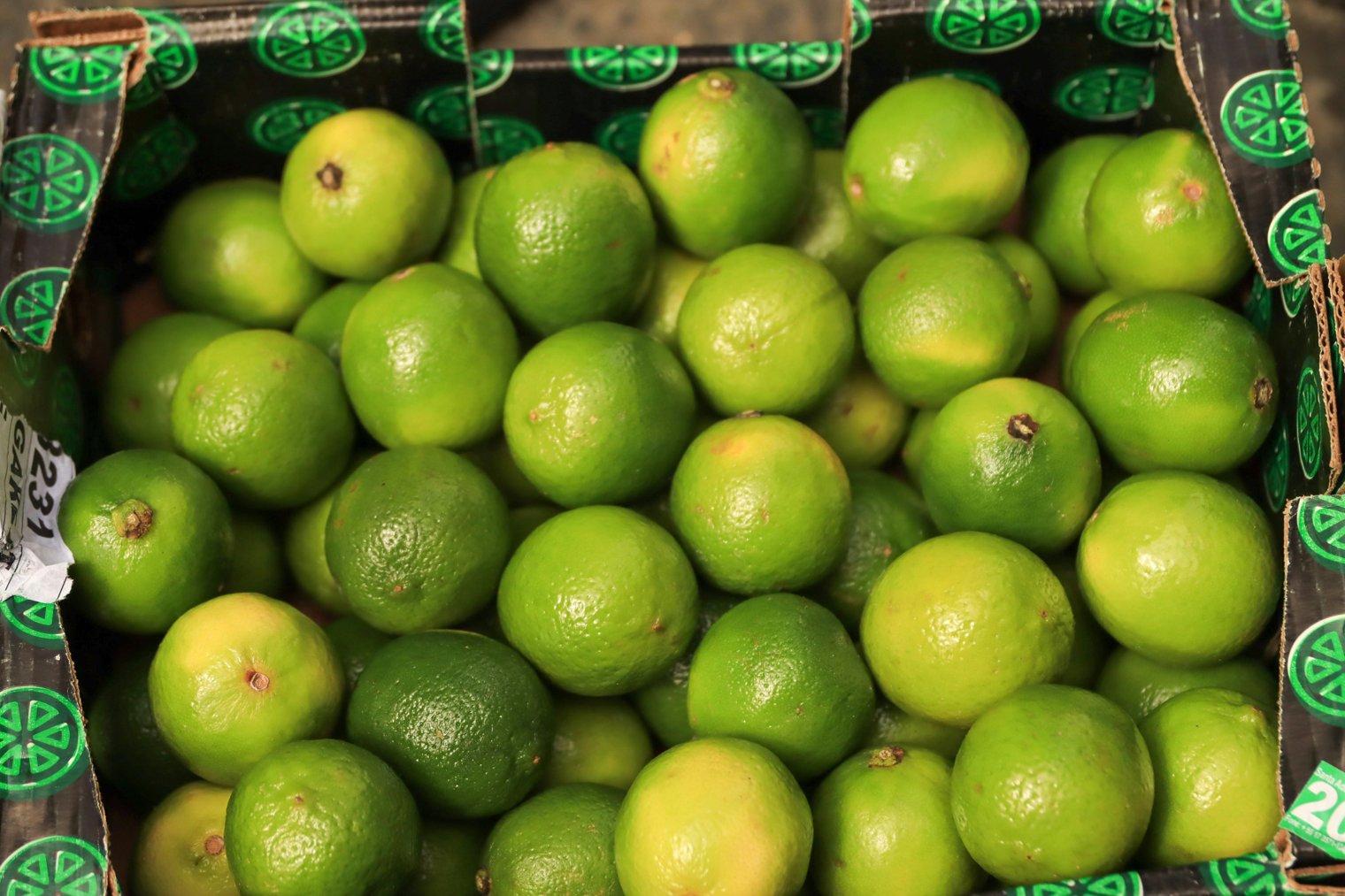
A fresh way to support local farms, eat healthily, and enjoy nature’s bounty.
Joining a CSA is an exciting step toward supporting local agriculture, eating fresh, seasonal produce, and making a positive environmental impact. Each week, you receive a curated box of vegetables, fruits, or even other farm products directly from local farmers. While you anticipate enjoying farm-fresh food, you also face the challenge of figuring out how to use up all the items in the box before they spoil. This scenario focuses on the joys and challenges of becoming a part of the CSA movement.
10:00 AM: You receive your weekly CSA box at home, excited to see what’s inside.
10:15 AM: You unpack the box, discovering a variety of fresh vegetables that you haven’t cooked with before.
10:30 AM: You start planning your meals for the week, researching recipes that incorporate the ingredients you’ve just received.
11:00 AM: You go through your pantry to see what additional ingredients you need to complement the CSA produce.
12:00 PM: You cook your first dish using your CSA vegetables, feeling proud and excited for the meals to come.
CSA Pick-Up Location (Stone Barns Center for Food and Agriculture, Pocantico Hills, NY)
Overview: A renowned farm and educational center that offers a variety of community-supported agriculture programs and initiatives.
Landmarks: The farm's diverse crops, greenhouses, and educational programs promoting sustainable farming.
Tips: Take a tour of the farm to learn about the crops and farming practices, and interact with farmers to deepen your connection to the food you're receiving.
Local Farmer's Market (Union Square Greenmarket, New York, NY)
Overview: One of New York City's largest and most vibrant farmer's markets, offering a wide range of fresh produce, meats, and baked goods from local farmers.
Landmarks: Stalls filled with colorful, organic fruits, vegetables, and other fresh produce.
Tips: Visit the market for extra CSA-style items that aren't part of your box or discover new produce you might want to request next season.
CSA Farm (Blooming Hill Farm, Monroe, NY)
Overview: A local farm offering seasonal CSA programs, where customers can pick up fresh vegetables and learn about the farm-to-table process.
Landmarks: A lush farm setting with rows of vegetables and a farm stand for direct purchases.
Tips: Take part in farm tours or seasonal events to deepen your relationship with the farm and learn more about sustainable farming practices.
Stone Barns Center for Food and Agriculture (Pocantico Hills, NY): A farm that offers CSA subscriptions and educational programs for sustainable agriculture.
Union Square Greenmarket (New York, NY): A bustling farmer’s market where you can supplement your CSA box with additional local, seasonal items.
Blooming Hill Farm (Monroe, NY): A farm that offers fresh produce through CSA subscriptions and a farm stand.
Long Island City CSA (Long Island City, NY): A local CSA that delivers fresh, seasonal produce to city residents.
Blue Hill Farm (Pocantico Hills, NY): A sustainable farm offering CSA boxes filled with organic vegetables and grains.
Red Hook Farm (Brooklyn, NY): A Brooklyn-based CSA where you can pick up a range of seasonal vegetables.
The Brooklyn Grange (Brooklyn, NY): An urban farm that provides CSA shares to local residents and restaurants.
Glover Perennial Farm (Washington, CT): A Connecticut-based farm offering CSA memberships for vegetables, fruits, and herbs.
River Garden Farm (Roxbury, CT): A small, family-run farm offering CSA shares with a focus on organic, seasonal produce.
Kingbird Farm (Washington, CT): A farm that offers seasonal, farm-fresh produce through their CSA program.
Wild Hive Farm (Clinton Corners, NY): A small farm offering locally grown vegetables through their CSA subscription service.
Farmer’s Market (Greenpoint, Brooklyn, NY): A local market where you can shop for fresh produce from local farms, filling in any gaps in your CSA box.
Winter Sun Farms (Montpelier, VT): A farm that offers year-round CSA services with frozen produce and local pantry staples.
Calvert Farm (Upper Marlboro, MD): A farm offering CSA memberships for organic, local vegetables and fruit.
Old Town Farm (Albuquerque, NM): A CSA provider focused on organic produce with sustainable farming practices.
The Produce Project (Poughkeepsie, NY): A farm with a CSA that provides seasonal fruits and vegetables to members.
Bluebird Meadows Farm (Pittsfield, MA): A farm offering vegetable, fruit, and herb CSA options.
The Greenhorns (Worcester, MA): A CSA farm known for sustainable practices and high-quality, local produce.
La Vista Farm (Williamstown, MA): A small, community-oriented farm providing CSA memberships and local produce.
Kingfisher Farm (Hillsdale, NY): A farm that offers CSA shares with a variety of seasonal vegetables.
The Good Earth Farm (Wilton, CT): A farm offering organic vegetables to members through their CSA program.
Green Circle Growers (Chagrin Falls, OH): A CSA that offers seasonal produce from their certified organic farm.
Sowing Seeds Farm (New Orleans, LA): A local farm offering CSA memberships for fresh produce delivered each week.
Green Acres Farm (Rochester, NY): A farm that provides fresh, organic vegetables through their CSA subscription.
Harmony Hills Farm (Waynesville, OH): A small farm with a CSA offering organic vegetables and fruits.
Quail Hill Farm (Amagansett, NY): A farm offering CSA memberships for seasonal produce and herbs.
Rockport CSA (Rockport, MA): A CSA providing fresh vegetables to members, with community events and activities.
Community, Sustainable Eating, Healthy Living, Local Agriculture, Seasonality
1. Whole Foods Market: Grocery Store
2. Trader Joe’s: Grocery Store
3. Costco: Warehouse Store
4. Amazon Fresh: Online Grocery Service
5. Peapod: Online Grocery Delivery
6. Blue Hill Farm: Farm
7. River Garden Farm: Farm
8. Stone Barns Center for Food and Agriculture: Farm
9. Blooming Hill Farm: Farm
10. The Greenhorns: Farm Network
11. The Good Earth Farm: Farm
12. Green Acres Farm: Farm
13. The Produce Project: Farm
14. Old Town Farm: Farm
15. Sowing Seeds Farm: Farm
16. Winter Sun Farms: Farm
17. Kingfisher Farm: Farm
18. La Vista Farm: Farm
19. Calvert Farm: Farm
20. Green Circle Growers: Farm
21. The Brooklyn Grange: Farm
22. Wild Hive Farm: Farm
23. Bluebird Meadows Farm: Farm
24. Quail Hill Farm: Farm
25. Rockport CSA: Farm
26. Kingbird Farm: Farm
27. Bluebird Meadows Farm: Farm
28. FreshDirect: Online Grocery Service
29. REI: Outdoor Gear
30. Amazon: Online Store
1. Stone Barns Center for Food and Agriculture: Visit to explore the farm, participate in CSA pick-ups, or take a sustainability workshop.
2. Whole Foods Market: Stock up on extra organic vegetables or supplements to complement your CSA produce.
3. Blue Hill Farm: Get a tour or join events and farm visits as part of your CSA membership.
4. Trader Joe’s: Purchase extra items that may complement the seasonal veggies from your CSA box.
5. Amazon Fresh: Set up recurring vegetable orders to supplement your weekly CSA delivery.
6. Peapod: Order groceries to fill in any gaps in your CSA subscription.
7. Blooming Hill Farm: Enjoy a CSA box filled with farm-fresh vegetables and consider adding a farm visit to your routine.
8. Green Acres Farm: Join their CSA to receive fresh produce and learn about their sustainable farming techniques.
• CSA Subscription: The core of the experience, delivering fresh, seasonal produce.
• Recipe Book or App: To plan meals based on the vegetables you’ve received.
• Reusable Bags: For picking up and storing your CSA share.
• Fridge Space: To store fresh vegetables and prevent spoilage.
• A Compost Bin: To dispose of vegetable scraps in an eco-friendly way.
• Cutting Boards and Knives: For chopping and prepping vegetables.
• Freezer Space: For freezing excess produce or making vegetable-based meals.
• Meal Prep Containers: To organize your meals for the week.
• Canning Jars: For preserving excess vegetables.
• A Pantry: For storing grains or other items that complement your CSA vegetables.
• Instant Pot – Perfect for quick veggie soups and stews.
• Vitamix (Blender) – Ideal for vegetable smoothies and soups.
• Cuisinart Food Processor – For chopping and preparing large quantities of veggies.
• Ball Mason Jars – For preserving surplus vegetables through canning.
• Oxo Good Grips – Kitchen tools for prepping vegetables efficiently.
• Overwhelming Variety: Sometimes, too many veggies arrive, and it can be challenging to keep up.
• Spoilage: Some vegetables may spoil quickly if not used or preserved in time.
• Excess: You may struggle to use every vegetable before it spoils, leading to waste.
• Limited Recipes: Not knowing how to use the new, unfamiliar vegetables can be frustrating.
• Time Constraints: Meal prepping can become a time-consuming process if you aren’t prepared.
• Inconsistent Quality: Sometimes, the freshness of the produce may not meet your expectations.
• Portion Sizes: Some CSA subscriptions provide too much of one vegetable, making it difficult to use.
• Plan meals weekly: To ensure you use all vegetables in a timely manner.
• Keep the fridge organized: To make it easier to access your CSA produce.
• Freeze excess produce: To make sure nothing goes to waste.
• Experiment with new recipes: To use up any unfamiliar vegetables.
• Visit the farm: To stay connected to your local farm and deepen your experience.
• Communicate with your CSA: To request specific vegetables or avoid items you don’t use often.
• Join seasonal events: To learn new ways of preparing vegetables from experts.
• Share excess: Donate unused vegetables to a food bank or neighbor.
• Start a compost bin: Turn vegetable scraps into nutrient-rich soil.
• Preserve: Use canning, freezing, or dehydrating techniques to store vegetables for later use.
• Reevaluate your CSA subscription: Adjust your subscription size based on how much you can realistically use.
• Transition to a smaller box: If you find you’re overbuying, switch to a smaller weekly share.
Events
You must log in to add an event.
Events for this Scenario
No events found for this scenario yet.
Experiences
Please log in to share your experience.