
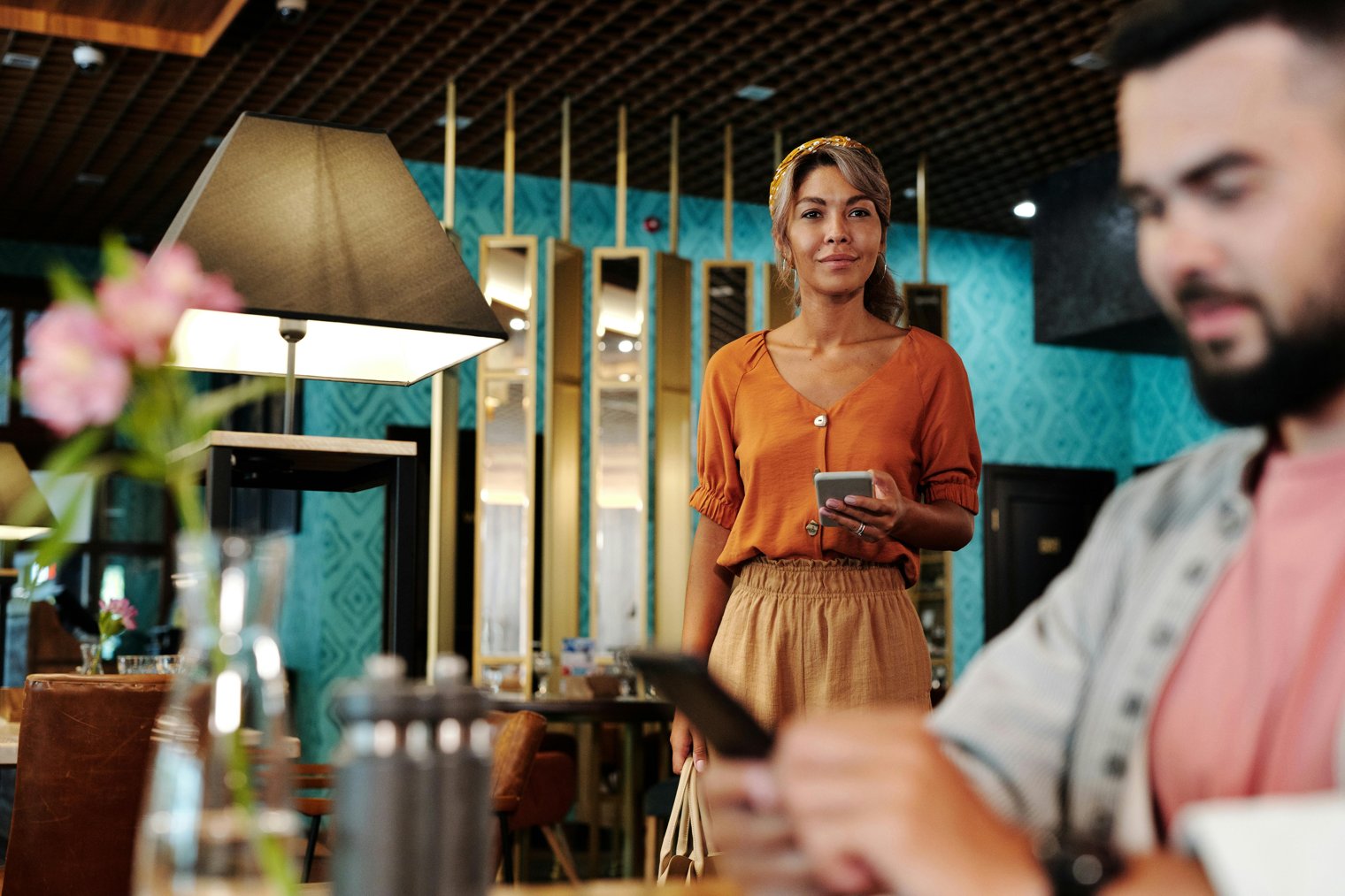
Turn your culinary passion into a thriving business and create a unique dining experience that keeps customers coming back.
Opening a new restaurant in a busy city can be both exciting and challenging. In a highly competitive industry, standing out requires a clear concept, exceptional food, excellent service, and effective marketing. This scenario will guide you through the process of opening a new restaurant, from choosing a location to creating a memorable dining experience. Whether you’re a chef opening your own place or an entrepreneur with a passion for food, this guide will help you make your restaurant a success.
Pre-Launch (6–12 months before opening): Secure funding, find a location, design the space, hire staff, and plan your menu.
Soft Opening (1 month before official launch): Test your menu, gather customer feedback, and fine-tune your operations.
Grand Opening (1–2 months after opening): Celebrate with a grand opening event to attract attention and get people through the door.
Growth Phase (3–6 months after opening): Focus on building a customer base, refining your service, and promoting repeat visits.
Long-Term Success (6+ months after opening): Establish your restaurant as a local favorite, expand your menu, and consider expanding to other locations.
Overview: A food lover's paradise, with diverse culinary offerings ranging from street food to Michelin-starred dining.
Landmarks: Times Square, Central Park, Broadway.
Tips: Find a location in a trendy neighborhood with high foot traffic, and focus on offering a unique concept that sets you apart.
Los Angeles, USA
Overview: Known for its food scene, LA offers an exciting blend of international flavors, health-conscious options, and upscale dining experiences.
Landmarks: The Hollywood Walk of Fame, Santa Monica Pier, Venice Beach.
Tips: Target areas with a vibrant food culture and trendy neighborhoods to attract both locals and tourists.
Overview: A city with a booming restaurant scene, offering everything from classic British fare to international cuisine and innovative dining concepts.
Landmarks: The London Eye, Buckingham Palace, Covent Garden.
Tips: Consider opening a restaurant in an emerging neighborhood with growing interest in dining and food culture.
Paris, France: A city where culinary traditions meet modern dining concepts, ideal for offering a unique take on French cuisine.
Tokyo, Japan: A food mecca with a diverse dining culture, from sushi bars to ramen shops to high-end dining experiences.
Berlin, Germany: A growing restaurant scene offering a mix of traditional German cuisine and international flavors.
Barcelona, Spain: A city with a strong emphasis on tapas, seafood, and Mediterranean flavors, perfect for creating a fresh, casual dining concept.
Cape Town, South Africa: Known for its vibrant food culture and farm-to-table dining options, Cape Town offers a growing market for new restaurants.
Montreal, Canada: A city with a blend of French and English influences, offering a rich food scene in both fine dining and casual eateries.
Toronto, Canada: A multicultural city with a diverse food scene, offering endless opportunities for creative and diverse dining concepts.
Sydney, Australia: A city with a strong focus on healthy, fresh, and sustainable dining options, ideal for creating a modern and eco-conscious restaurant.
Hong Kong: A city known for its unique fusion of Chinese and international cuisines, offering ample opportunities for new culinary concepts.
Singapore: A hub for culinary innovation, with a dynamic food culture that blends influences from Southeast Asia and beyond.
Berlin, Germany: A city with a rapidly growing restaurant scene and a focus on innovative and international cuisine.
Buenos Aires, Argentina: Known for its strong steak culture and innovative dining experiences, ideal for offering a modern take on classic Argentinean cuisine.
Dublin, Ireland: A city with a growing focus on sustainable, locally sourced ingredients and traditional Irish food with a modern twist.
Melbourne, Australia: A dynamic city with a vibrant food culture and a mix of high-end dining and casual eateries.
Mexico City, Mexico: A city with a rich culinary heritage, offering opportunities to showcase modern takes on traditional Mexican dishes.
Dubai, UAE: A city with a high demand for luxury dining and international cuisine, catering to a diverse and affluent population.
San Francisco, USA: A city known for its innovative dining culture, with a focus on fresh, organic ingredients and farm-to-table dining.
Los Angeles, USA: A dynamic food scene with a strong focus on health-conscious dining and trendy food concepts.
Madrid, Spain: A city that blends traditional Spanish cuisine with innovative dining concepts and an emphasis on fresh, seasonal ingredients.
Seoul, South Korea: A city with a growing food scene, where traditional Korean cuisine is being reimagined in modern and creative ways.
Vienna, Austria: A city known for its elegant cafes and high-quality European cuisine, with a growing interest in innovative dining concepts.
Stockholm, Sweden: A city with a focus on sustainability, offering opportunities for farm-to-table dining and modern Swedish cuisine.
Milan, Italy: A global hub for fashion and luxury dining, with a focus on high-end Italian cuisine and innovative dining experiences.
Sydney, Australia: A cosmopolitan city with a focus on sustainable dining and a growing interest in plant-based and health-conscious cuisine.
Bangkok, Thailand: A city with a vibrant street food culture and a growing interest in modern Thai cuisine and fusion dishes.
Culinary innovation, entrepreneurship, creativity, sustainability, customer experience.
1. OpenTable: Restaurant Reservation Platform
2. Yelp: Restaurant Reviews and Recommendations
3. Grubhub: Food Delivery Service
4. UberEats: Food Delivery
5. DoorDash: Food Delivery
6. Postmates: Restaurant Delivery
7. Zomato: Restaurant Discovery and Reviews
8. TripAdvisor: Travel and Dining Reviews
9. Seamless: Food Delivery Platform
10. Square: Payment Processing for Restaurants
11. Toast: Point-of-Sale System
12. GrubHub: Restaurant Ordering System
13. Resy: Restaurant Reservation Platform
14. Waitr: Restaurant Delivery
15. ChowNow: Online Ordering for Restaurants
16. QuickBooks: Accounting for Restaurants
17. OpenTable: Online Reservations
18. Tock: Restaurant Reservation and Experience Management
19. Shopify: E-commerce for Restaurants
20. Square: POS for Restaurants
21. Instagram: Marketing Platform for Restaurants
22. Facebook Ads: Restaurant Promotion
23. Google Ads: Online Marketing for Restaurants
24. Canva: Restaurant Marketing Materials
25. Eventbrite: Event Management and Ticketing for Restaurants
26. Yelp: Reviews and Customer Engagement
27. Grubhub: Restaurant Partnership
28. ZipRecruiter: Hiring Employees
29. Indeed: Job Listings for Restaurants
30. Upwork: Freelance Help for Restaurant Projects
1. OpenTable: Start taking reservations for your restaurant.
2. Square: Set up a point-of-sale system.
3. Yelp: Encourage reviews from customers to build your reputation.
4. Grubhub: Partner with food delivery services for broader reach.
5. TripAdvisor: Ensure your restaurant is listed for reviews.
6. Zomato: Engage with food enthusiasts by getting listed.
7. Facebook: Promote your restaurant through social media.
8. Canva: Design marketing materials for your restaurant.
9. Eventbrite: Plan events to draw customers into your restaurant.
10. Instagram: Use visually appealing images to showcase your food and attract followers.
• Commercial Kitchen Equipment:
• Restaurant POS System:
• Menu Design:
• Digital Marketing Plan:
• Brand Identity (Logo, Colors, etc.):
• Website for the Restaurant:
• Employee Uniforms:
• Social Media Accounts:
• Restaurant Reviews (Yelp, TripAdvisor):
• Food and Drink Inventory:
• Square (POS System)
• Grubhub (Food Delivery)
• Canva (Design Tools)
• Instagram (Social Media Platform)
• High Startup Costs: Opening a restaurant requires significant investment.
• Time-Consuming: Managing day-to-day operations can be overwhelming.
• Competition: There are many dining options available, and standing out can be challenging.
• Staffing: Recruiting and retaining skilled employees can be difficult.
• Food Waste: Restaurants often face challenges with food spoilage and waste.
• Seasonal Demand: Restaurants may experience fluctuations in customer numbers during different seasons.
• Customer Expectations: Meeting customer demands for quality and service is critical but can be stressful.
• Consistency: Maintain high standards for food, service, and cleanliness.
• Customer Engagement: Make efforts to engage and retain customers.
• Marketing: Keep your brand visible through social media and advertising.
• Adaptability: Be prepared to adjust your menu and business operations based on feedback and demand.
• Time Management: Ensure the restaurant operates smoothly by scheduling tasks effectively.
• Teamwork: Foster good communication and cooperation among staff members.
• Continuous Learning: Stay updated on food trends, restaurant technologies, and customer preferences.
• Scale Up: Open additional locations and expand your brand.
• Sell the Business: After achieving success, consider selling the restaurant to a larger entity.
• Franchise: Take your restaurant concept and turn it into a franchise.
• Transition to Consulting: Use your restaurant knowledge to help other businesses.
• Close Gracefully: If the business isn’t successful, close it in a way that honors your employees and customers.
Events
You must log in to add an event.
Events for this Scenario
No events found for this scenario yet.
Experiences
Please log in to share your experience.