
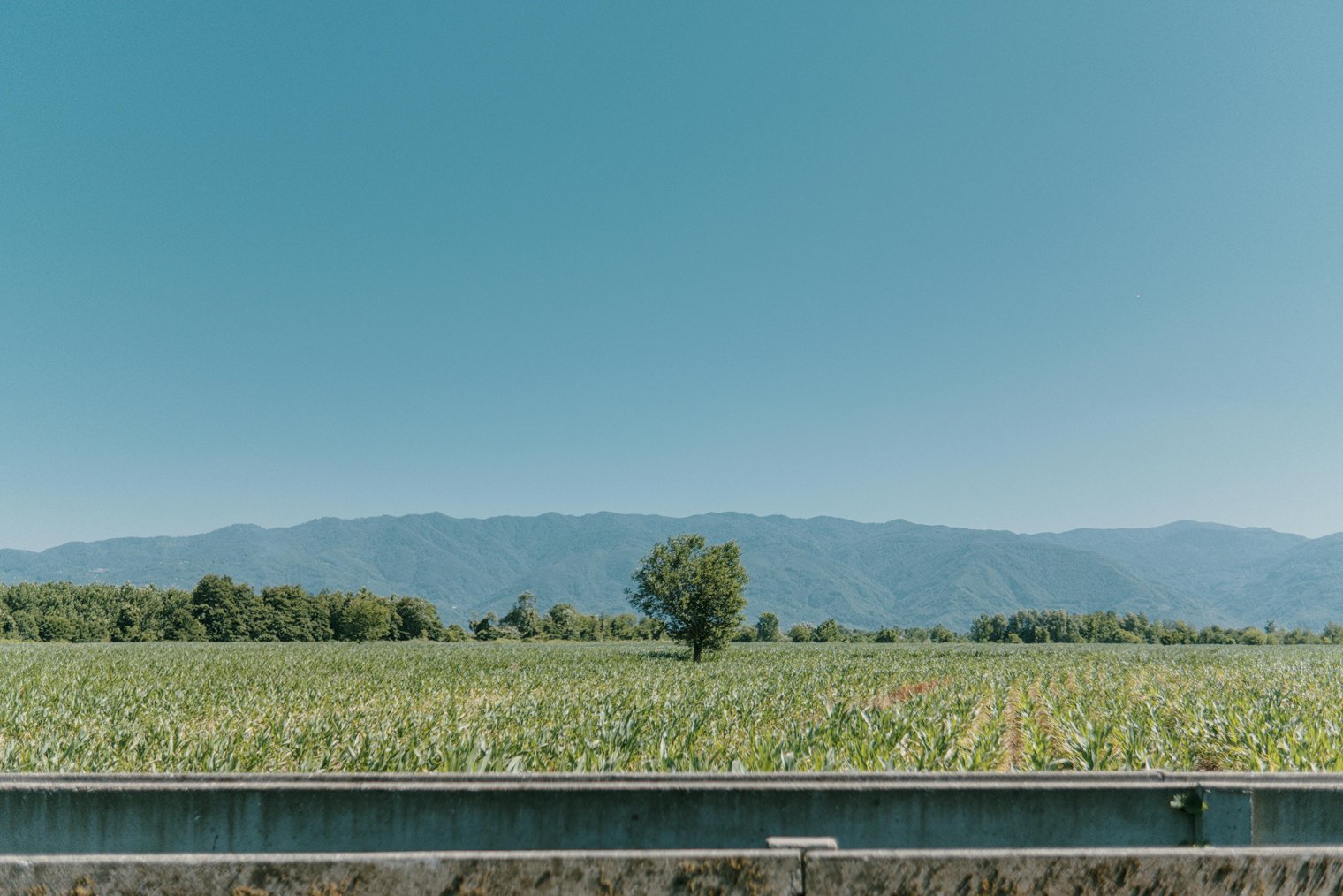
Experience the rhythm of rural life hard work, fresh air, and the deep satisfaction of growing your own food.
Living on a farm means embracing a slower, but immensely rewarding lifestyle. Each day starts before sunrise, with physical labor like feeding animals, milking cows, collecting eggs, and tending to crops. You’ll find peace in the rhythm of nature and the satisfaction of knowing where your food comes from. There are challenges, such as unpredictable weather, animal care, and isolation, but there’s an unmatched sense of community and purpose. This scenario takes you through a typical day of farm life, focusing on both the highs and lows.
5:30 AM: You wake up to the rooster’s crow, the first sounds of a new day on the farm. The sun is just beginning to rise, and you prepare for a day of hard work.
6:00 AM: In the barn, you feed the animals, collecting eggs from the henhouse, and prepare the cows for milking. The morning chill still lingers in the air.
7:00 AM: After breakfast, you head to the fields to tend to the crops. There’s weeding to be done, irrigation lines to check, and the ever-growing tasks of keeping the land healthy.
12:00 PM: It’s time for lunch, usually prepared from the farm’s own produce. You sit on the porch, overlooking the vast fields, and enjoy a break before heading back to work.
3:00 PM: The afternoon is spent harvesting produce, repairing fences, and checking on the health of the livestock. There’s always something that needs attention on a farm.
The Green Acres Farm (Nashville, TN, USA)
Overview: A family-owned farm focusing on sustainable practices and producing a variety of vegetables and free-range chickens.:
Landmarks: Greenhouses, crop rows, the family barn, animal pens.:
Tips: Don't miss the community events held at the farm, such as harvest festivals or farm-to-table dinners.:
Sutter Home Vineyard (Napa Valley, CA, USA)
Overview: Known for its scenic vineyards, this farm is not just about growing grapes; it's about preserving the earth and community involvement.:
Landmarks: Vineyards, wine cellar, tasting rooms.:
Tips: Participate in one of their guided tours to learn about sustainable farming techniques and local food culture.:
The Wildflower Farm (Santa Fe, NM, USA)
Overview: This farm offers a glimpse into desert agriculture, featuring native plants, herbs, and flowers that thrive in arid climates.:
Landmarks: Greenhouses, seed saving stations, irrigation systems.:
Tips: Visit during the blooming season to see vibrant wildflowers and explore their eco-tourism offerings.:
Five Sisters Farm (Durham, UK)
The Organic Farm (Santa Barbara, CA, USA)
Full Moon Farm (Cedar Creek, TX, USA)
The Fresh Food Farm (Oregon, USA)
Prairie Hill Farm (Huron, SD, USA)
Willowbrook Farm (Surrey, UK)
Swallowtail Farm (Athens, GA, USA)
Frog Song Organics (Gainesville, FL, USA)
Spring Hill Farm (Atlanta, GA, USA)
Hilltop Farms (Boulder, CO, USA)
The Family Homestead (Washington, USA)
Rolling Hills Farm (Lancaster, PA, USA)
Farm Sanctuary (Orland, CA, USA)
Arco Iris Farm (Costa Rica)
The Big Bear Farm (Pine Valley, CA, USA)
Harmony Hill Farm (Vermont, USA)
Homestead Acres (Wellington, FL, USA)
Duck Creek Farm (Columbia, MO, USA)
Sunshine Acres (Macon, GA, USA)
Greenfield Farms (Waco, TX, USA)
River’s Edge Farm (Asheville, NC, USA)
Serene Acres (Brunswick, GA, USA)
Blue Moon Farm (Sebastopol, CA, USA)
Big Valley Organic Farm (Minnesota, USA)
Eden Farm (Berkeley, CA, USA)
Sustainable Farming, Hard Work, Rural Living, Self-Sufficiency, Community
1. The Honest Company: Eco-friendly cleaning and farm products
2. REI: Outdoor gear for farming and rural living
3. Tractor Supply: Farm equipment and supplies
4. The Farm Store: Online and in-person farm product sales
5. The Home Depot: For farm repair and building needs
6. Blue Apron: Farm-to-table meal kits
7. Local Farmers Markets: Fresh, local produce and artisanal goods
8. Whole Foods Market: For organic farming supplies
9. Amazon: For farming tools, livestock care products
10. Seed Savers Exchange: Heirloom seeds for farming
11. Feed & Seed Supply: Livestock feed, seed packets
12. Farmers Insurance: Farm property insurance
13. Hertz: For farm vehicle rentals
14. Patagonia: Sustainable farm clothing
15. Walmart: For affordable farm supplies
16. Costco: Bulk supplies for farm living
17. Greenhouse Megastore: Greenhouses and gardening equipment
18. SolarCity: Solar solutions for farm energy
19. Airbnb: Farm stays and rural tourism
20. GoPro: Capturing farm life and adventures
21. REI: Camping gear for farm retreats
22. Tractor Supply Co: Farm vehicles and equipment
23. USDA: For farm subsidies and grants
24. Seed Bank: For rare and sustainable plant species
25. Local Co-ops: For shared agricultural supplies
26. Walmart: For bulk farm and outdoor supplies
27. Home Depot: Tools for farm upkeep
28. Lowe’s: Garden supplies and farm tools
29. Postmates: Delivery from local farm-to-table restaurants
30. Instacart: Ordering fresh produce from farms
31. Facebook Marketplace: For selling farm goods
32. Etsy: For selling homemade farm products
33. Blue Apron: Meal kits based on farm produce
34. Hulu: Documentaries on farming and agriculture
35. Netflix: Farm life documentaries
36. Amazon Prime: Ordering fresh produce
37. The Local Grocery: Farmers’ market vendor
38. Whole Foods Market: Organic farm goods
39. Farm Fresh To You: Farm delivery services
40. Grainger: Heavy-duty farming tools
41. Pioneer Seed Company: Seed company for sustainable farming
42. Green Building Supply: Sustainable building materials
43. REI Co-op: Gear for rural living
44. Yelp: For farm-to-table restaurants
45. Lowes: For farm maintenance supplies
46. Tractor Supply Co: For equipment rental
47. T-Mobile: Mobile services for rural areas
48. Rite Aid: For essential rural living products
49. CVS: Personal care and health for farm families
50. Nature Conservancy: For eco-farming advocacy
1. Tractor Supply (For farming tools and equipment)
2. Amazon (For farm-to-table kitchen supplies)
3. Whole Foods Market (For organic farming products)
4. REI (For camping gear and outdoor farming supplies)
5. Local Farmers Market (For fresh supplies)
6. The Home Depot (For gardening tools and materials)
7. FedEx (For shipping farm products)
8. Walmart (For bulk farm supplies)
9. Lowe’s (For farm building materials)
10. National Farmers Union (For farm business resources)
• Durable Work Gloves:
• Comfortable Boots:
• Solar-Powered Lantern:
• High-Quality Seeds:
• Watering Cans and Sprayers:
• Tractor or Farm Vehicle:
• Organic Fertilizer:
• Protective Gear for Animal Care:
• First Aid Kit for the Farm:
• Sustainable Gardening Tools:
• John Deere Tractor (For farm operations)
• Greenhouse (For expanding farm production)
• GoPro Camera (For capturing farm life)
• Solar Panels (For farm energy independence)
• Hydroponic Systems (For year-round vegetable growing)
• Physical Exhaustion: The workload can be overwhelming, especially during peak seasons.
• Weather Dependency: Bad weather can ruin crops or hinder farm work.
• Limited Social Interaction: Farms are often isolated, leading to potential loneliness.
• Seasonal Income Fluctuations: The financials can vary based on harvests and weather.
• Maintenance Costs: Regular upkeep of tools and buildings can be expensive.
• Animal Care: Farms with livestock require constant attention and care.
• Isolation: Farms are often in remote areas, limiting access to urban amenities.
• Early Morning Work: Work begins before dawn and continues through the day.
• Meal Planning: Meals are often based on what’s available on the farm.
• Work in Shifts: Many farm tasks are done in shifts to ensure continuous care.
• Crop Rotation: Sustainable farming requires regular crop rotation.
• Animal Feeding: Feeding the animals is a daily task that requires consistency.
• Shared Labor: Working together as a team to achieve farm goals.
• Sustainable Practices: Implementing eco-friendly methods for farming.
• Sell the Farm: If farming becomes unsustainable, some farmers may choose to sell the property.
• Rent Out Land: Leasing out portions of the farm for others to use.
• Transition to Urban Living: Moving to a city after years of rural life.
• Start a Farm Business: Offering farm tours, produce sales, or eco-products.
• Retire: Leaving the farm life to retire in another location.
Events
You must log in to add an event.
Events for this Scenario
No events found for this scenario yet.
Experiences
Please log in to share your experience.