
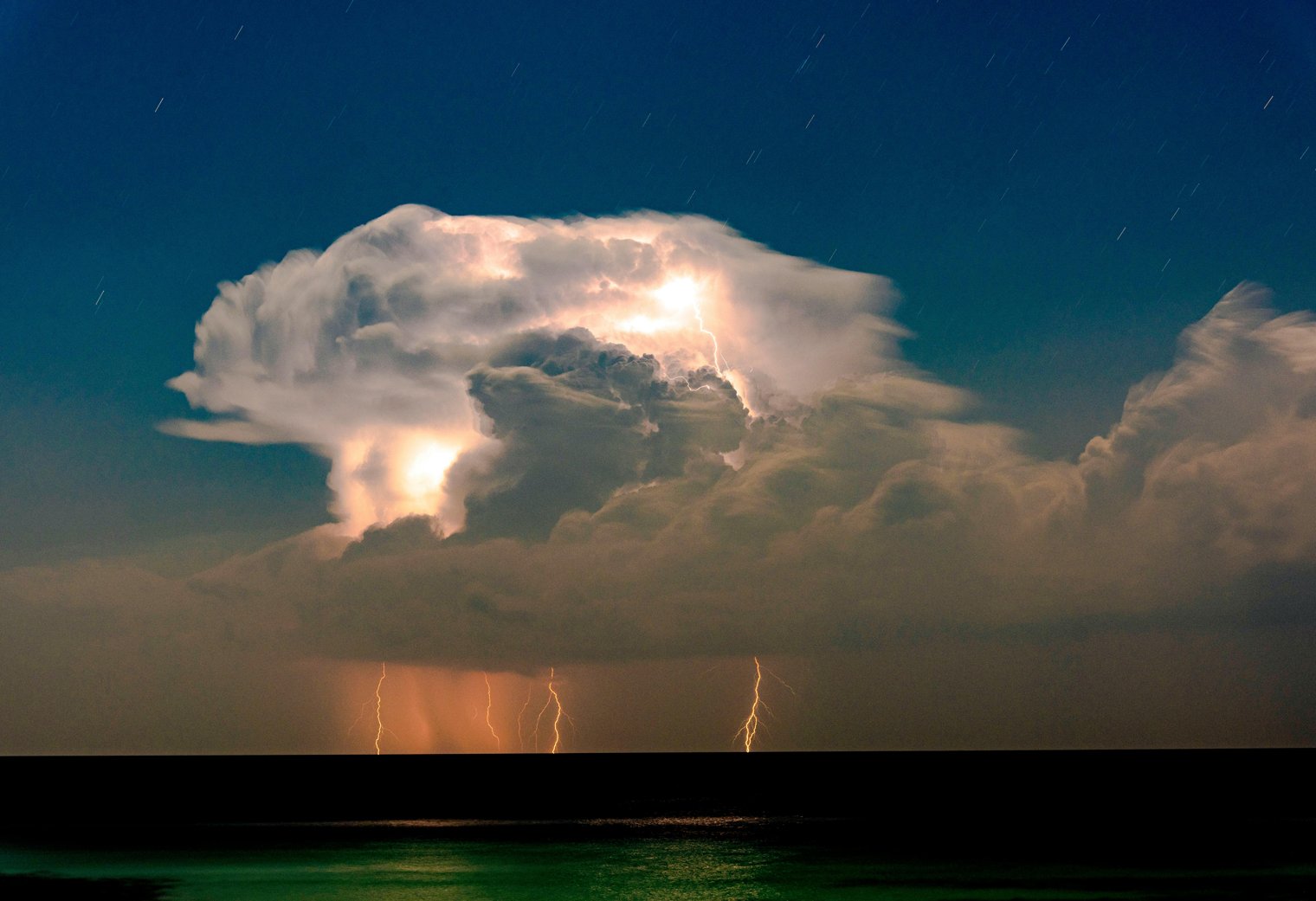
When the lights go out, the challenges begin navigating life without electricity.
A long-term power outage can disrupt daily life, making routine tasks more difficult and requiring creative solutions. This scenario takes place when a community faces an extended power outage, potentially caused by a severe storm, natural disaster, or equipment failure. Residents must adapt by using backup generators, finding alternative ways to cook, and keeping in touch with neighbors. Managing food, water, and heat becomes critical, while the community comes together to support one another through the crisis.
6:00 PM: The lights go out, and the first few moments of confusion set in. People gather their flashlights, candles, and portable chargers.
7:30 PM: Dinner time arrives, but there's no electricity to cook. People begin to adjust, cooking on camp stoves or grilling outside.
9:00 PM: The cold sets in, and the temperature drops. Many households turn to space heaters or layer up with blankets.
12:00 AM: The night is quiet, and some people fall asleep to the sound of a nearby generator, while others try to keep warm by the fire., 9:00 AM (Next Day) – The neighborhood is still without power. People are checking on one another and making plans for the day, sharing resources and strategies for dealing with the ongoing outage.
Power Outage Command Center (e.g., Local Power Utility Office, Downtown)
Overview: This is where utility companies manage the crisis, coordinating efforts to restore power to the affected areas.
Landmarks: Large communications equipment, staff in uniforms working in shifts, updates on a screen showing estimated times for power restoration.
Tips: Stay informed by checking the power company's website or social media channels for updates on the restoration timeline.
Community Gathering Spot (e.g., Local Park or School Parking Lot)
Overview: A central location where residents gather to share news, power generators, or food.
Landmarks: Picnic tables, portable toilets, shaded areas where people wait and interact with neighbors.
Tips: Bring portable power banks, batteries, and a charger to keep your phone charged and stay connected with loved ones.
Emergency Shelters (e.g., Local Red Cross Shelter, Community Center)
Overview: A designated safe space offering food, water, and essential services during the outage.
Landmarks: Cots for sleeping, water bottles, emergency lighting, and staff providing basic first aid.
Tips: Don't hesitate to use the shelter if your home is becoming unsafe or too uncomfortable, especially if the outage is expected to last for several days.
Centralized Distribution Hub (e.g., Local Gas Station, Town Square): A place where people gather to access generators, fuel, or food.
Gas Station (e.g., Shell, BP): Critical for fueling cars and generators during the outage.
Nearby Grocery Store (e.g., Whole Foods, Safeway): If open, a location where people can get last-minute items before they run out.
Coffee Shop (e.g., Starbucks): A warm and reliable location for charging electronics or grabbing a hot drink when the power is out.
Local Post Office (e.g., Downtown Post Office): A place for receiving mail or checking on packages if other mail delivery services are impacted.
Fire Department (e.g., Main Street Fire Station): Often the first responders for safety hazards like fires or gas leaks during power outages.
Outdoor Market (e.g., Farmers Market, Saturday Market): A temporary setup where vendors sell fresh produce and goods when refrigeration isn’t available.
Park (e.g., City Park, Central Park): Outdoor areas where people gather for shared resources like water or shelter from the sun.
Local Church (e.g., St. Mary's Catholic Church, Community Center): A gathering place offering support, food, and water.
Local Diner (e.g., John’s Diner, Betty’s Cafe): A place that may still be open if equipped with backup generators for cooking and light.
Park District (e.g., Chicago Park District): Offers open spaces for people to socialize or access public restrooms.
Home Depot (e.g., Home Depot, Neighborhood Hardware Store): A store providing generators, extension cords, or camping equipment.
Local Mall (e.g., Mall of America, Westfield Mall): If powered by its own generators, could offer food, charging stations, or public restrooms.
Neighbor’s House (e.g., Neighbor’s Home with a Generator): A safe place to recharge or cool down.
Local Bank (e.g., Bank of America): A place for withdrawing cash if ATMs are working during the outage.
Community Emergency Medical Station (e.g., Community Clinic): A resource for people in need of medical attention during the crisis.
Library (e.g., Public Library Downtown): A place where you can access public Wi-Fi, use computers, or read for a few hours.
Department of Transportation (e.g., Local City Office): This is where road closures and re-openings are reported.
Outdoor Park (e.g., Miller Park, Golden Gate Park): Popular locations for residents to congregate, offering shade, rest, and play spaces for kids.
Large Shopping Mall (e.g., King of Prussia Mall): Often the first places that may have backup power to charge devices and gather.
Local Restaurant (e.g., The Cheesecake Factory): A place that might use backup power to keep running and provide hot meals during the outage.
Urban Garden (e.g., City Garden, Urban Farming Spots): Community gardens where people help each other with crops when grocery supplies are limited.
Riverfront (e.g., Mississippi Riverfront): A location for fresh air and community engagement during power outages.
Public Restrooms (e.g., City Park Restrooms, Rest Area): Locations where you can find restrooms during outages.
Farmers Market (e.g., Greenmarket): Temporary market setup offering fresh produce.
Local School Gymnasium (e.g., Central High Gym): Gym spaces that may act as emergency shelters or food stations.
Coastal Community Centers (e.g., Ocean City Community Center): A place offering food, temporary shelter, or a place for cleanup during storm recovery.
Survival, community support, resourcefulness, patience, crisis management
1. REI: Outdoor Gear & Power Supplies
2. Home Depot: Generators & Emergency Tools
3. Amazon: Emergency Survival Kits
4. T-Mobile: Mobile Data & Connectivity Services
5. Best Buy: Portable Electronics & Chargers
6. Cabela’s: Camping & Survival Gear
7. Whole Foods: Groceries During Outages
8. Walmart: Emergency Essentials
9. Costco: Bulk Supplies for Emergency Kits
10. Lowe’s: Outdoor Power Equipment
11. Starbucks: Coffee & Charging Stations
12. Verizon: Cell Service During Outages
13. Target: Essentials for Outage
14. City Parks and Recreation: Community Engagement
15. Petco: Pet Supplies for Emergency Kits
16. Apple: Portable Power & Electronics
17. Food Delivery Services: UberEats, GrubHub
18. Walmart: Emergency Flashlights & Batteries
19. Red Cross: Disaster Relief Services
20. Samsung: Solar Chargers
21. Ford: Generators & Portable Power Units
22. IKEA: Temporary Furniture & Shelter
23. Lyft: Transportation During Outages
24. GoPro: Action Cameras for Documentation
25. Stihl: Chainsaws & Tree Removal
26. REI Co-op: Outdoor Gear Rentals
27. Petzl: Headlamps & Lighting
28. Coleman: Camping Gear
29. Uber: Car Service
30. National Grid: Utility Services & Outage Updates
31. L.L. Bean: Weatherproof Gear
32. Medtronic: Emergency Medical Devices
33. DEWALT: Power Tools for Repair
34. Therm-a-Rest: Emergency Sleeping Pads
35. CNET: Tech Support During Outages
36. Starbucks: Coffee & Warmth
37. Hydro Flask: Hydration During Outages
38. T-Mobile: Wi-Fi & Communications
39. Postmates: Food Delivery
40. REI Co-op: Rescue & Outdoor Gear
41. AT&T: Mobile Services for Communication
42. PETSMART: Pet Services During Outages
43. T-Mobile: Mobile Services
44. HEINZ: Canned Food Essentials
45. Panasonic: Backup Power Solutions
46. D Batteries: Energy Supplies
47. Lyft: Emergency Rideshare
48. U-Haul: Relocation Services During Recovery
49. Aldi: Basic Emergency Goods
50. StormKit: Emergency Weather Supplies
1. Lowe’s (Chainsaw & Generator Rentals)
2. REI (Camping & Survival Supplies)
3. Amazon (Emergency Power & Food Supplies)
4. Walmart (Portable Power & Batteries)
5. T-Mobile (Mobile Hotspot Setup)
6. Home Depot (Emergency Tools & Safety Gear)
7. Target (Bottled Water & Snacks)
8. Costco (Bulk Emergency Food)
9. Verizon (Mobile Chargers)
10. Starbucks (Charging Stations & Warm Drinks)
• 1. Battery-Powered Flashlight:
• 2. Portable Power Bank:
• 3. Camp Stove:
• 4. Canned Goods:
• 5. Water Bottles:
• 6. Emergency Blanket:
• 7. Weather Radio:
• 8. Warm Clothes & Blankets:
• 9. First Aid Kit:
• 10. Cooking Supplies (Gas or Propane):
• 1. Goal Zero (Portable Solar Chargers)
• 2. Coleman (Camping & Survival Gear)
• 3. Petzl (Headlamps)
• 4. Yeti (Coolers & Hydration Packs)
• 5. DEWALT (Power Tools & Generators)
1. Exhaustion from prolonged powerlessness
2. Limited access to fresh food and supplies
3. Communication breakdowns
4. Frustration with unreliable information on restoration times
5. Personal or family safety concerns
6. Inability to keep warm during cold nights
7. Risk of fires or other hazards from improper equipment use
1. Checking in with neighbors frequently
2. Conserving power and food
3. Monitoring weather conditions for changes
4. Keeping a charging schedule for electronics
5. Staying updated on the power outage status
6. Using social media to share information
7. Practicing basic survival skills
1. Take stock of remaining supplies and prepare for longer outages
2. Set up temporary living arrangements if the situation worsens
3. Maintain patience with ongoing disruptions
4. Organize a community effort to assist neighbors
5. Transition to long-term solutions if outage lasts
Events
You must log in to add an event.
Events for this Scenario
No events found for this scenario yet.
Experiences
Please log in to share your experience.