
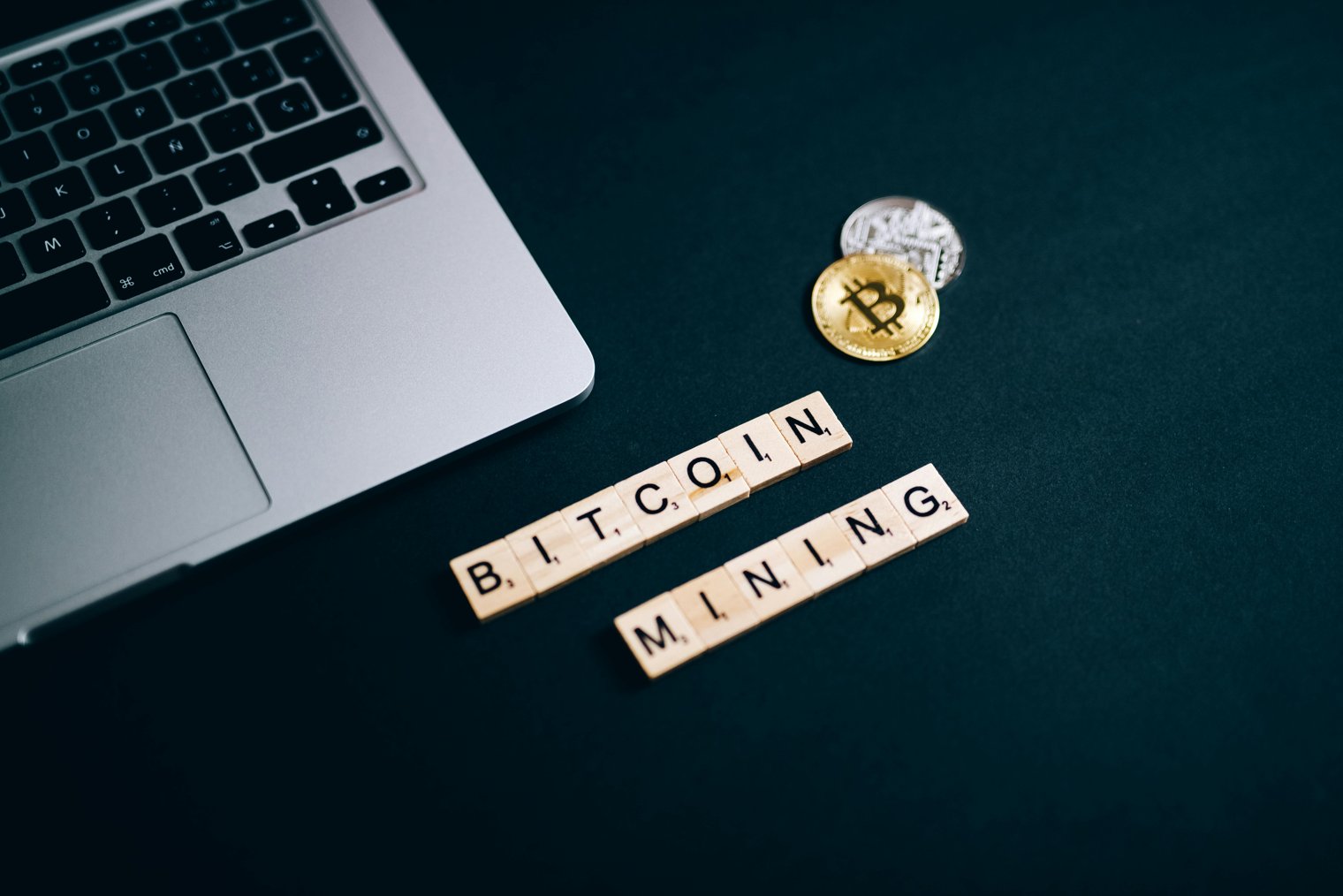
Unlock the power of your computer to mine digital wealth.
Mining cryptocurrency has become a popular way to earn digital assets by utilizing computational power to solve complex mathematical problems. This scenario guides you through setting up a mining rig, selecting the right hardware and software, and getting started with the mining process. Whether you're mining Bitcoin, Ethereum, or another cryptocurrency, the process is both a technical and financial journey that can be highly rewarding. From selecting a mining pool to managing your earnings, this experience involves understanding the technical intricacies of the mining world.
10:00 AM: Gather necessary hardware including GPUs, a power supply unit, and cables.
10:30 AM: Set up the mining rig, ensuring proper ventilation and efficient power distribution.
11:00 AM: Download and configure mining software (e.g.
Claymore
NiceHash).
11:30 AM: Join a mining pool and connect your hardware to the pool’s server.
12:00 PM: Start mining and monitor the system’s performance, electricity consumption, and mining outputs.
Bitmain Technologies (Shenzhen, China)
Overview: The leading manufacturer of mining hardware, including the Antminer series used for Bitcoin and other cryptocurrency mining.:
Landmarks: Located in Shenzhen, a global tech hub known for its advancements in hardware manufacturing.:
Tips: Check the Bitmain website for the latest Antminer models that offer the most efficient mining capabilities.:
Micro Center (8565 Lyra Dr, Columbus, OH 43240)
Overview: A popular electronics retailer that sells computer hardware ideal for cryptocurrency mining rigs, including GPUs, power supplies, and accessories.:
Landmarks: The store is near the Polaris Fashion Place, making it a convenient stop for tech enthusiasts.:
Tips: Visit for hands-on help and in-store stock checks on mining equipment like GPUs and cooling solutions.:
Bittrex (Seattle, WA, USA)
Overview: A well-established cryptocurrency exchange where users can buy, sell, and trade mined coins.:
Landmarks: Bittrex is known for its user-friendly interface and security features for cryptocurrency transactions.:
Tips: Use the Bittrex app to monitor your mined coins and market fluctuations in real-time.:
Antpool Mining Center (Chengdu, China)
NiceHash (Online platform, global)
Ethereum Mining Pool (Online platform, global)
F2Pool (Beijing, China)
Ethermine (Online platform, global)
Slush Pool (Prague, Czech Republic)
Bitfinex (Hong Kong, global exchange)
Kraken (San Francisco, CA, USA)
Coinbase (San Francisco, CA, USA)
Gemini (New York, NY, USA)
Poloniex (Delaware, USA)
DigitalOcean (Online, cloud hosting platform)
Amazon Web Services (Online, cloud hosting)
Google Cloud (Online, cloud hosting)
NVIDIA (Santa Clara, CA, USA: GPU manufacturer)
AMD (Santa Clara, CA, USA: GPU and processor manufacturer)
EVGA (Brea, CA, USA: Graphics card manufacturer)
MSI (Taipei, Taiwan: Computer hardware manufacturer)
ASUS (Taipei, Taiwan: Motherboards and GPU manufacturer)
Western Digital (San Jose, CA, USA: Storage hardware)
Samsung (Seoul, South Korea: Memory chips for mining rigs)
Cryptocurrency mining, hardware setup, financial investment, energy consumption, technical skills
1. NiceHash: Mining software for easy setup
2. Antminer: Bitcoin mining hardware
3. Bitmain Technologies: Manufacturer of mining rigs
4. Micro Center: Hardware and accessories retailer
5. Bitfinex: Cryptocurrency exchange
6. Kraken: Cryptocurrency exchange
7. Ethereum: Blockchain platform for decentralized applications
8. F2Pool: Mining pool
9. Slush Pool: Mining pool
10. CoinBase: Cryptocurrency exchange
11. Poloniex: Cryptocurrency exchange
12. Amazon: Online retailer for mining hardware
13. Newegg: Online electronics retailer
14. NVIDIA: Graphics card supplier for mining
15. AMD: Graphics card supplier for mining
16. EVGA: Mining hardware manufacturer
17. MSI: Computer hardware supplier
18. ASUS: Motherboard and GPU supplier
19. DigitalOcean: Cloud mining services
20. Google Cloud: Cloud mining services
21. PayPal: Cryptocurrency purchases
22. Tesla: Energy storage for mining operations
23. Enphase: Solar energy systems for mining rigs
24. LG Electronics: Cooling and power systems
25. Schneider Electric: Energy efficiency solutions for mining
1. Amazon: Order GPUs, power supplies, and cooling fans.
2. Micro Center: Purchase essential components and get in-person assistance.
3. NVIDIA: Buy high-performance GPUs designed for cryptocurrency mining.
4. AMD: Look for affordable GPUs suitable for altcoin mining.
5. Bitmain Technologies: Order Antminer rigs for efficient Bitcoin mining.
6. Newegg: Shop for mining accessories and pre-built rigs.
7. Poloniex: Use for setting up a mining pool to pool resources with other miners.
8. F2Pool: Join to enhance your mining power with a larger pool.
9. Slush Pool: Try one of the oldest Bitcoin mining pools for better returns.
10. Kraken: Set up an account to trade and monitor mined cryptocurrency.
• Mining Rig (GPUs, power supply, cooling solutions):
• Mining Software (Claymore, NiceHash, Ethminer):
• Mining Pool Account (to join and start mining):
• Wallet (hardware or software wallet for your mined coins):
• Cryptocurrency Exchange Account (for trading or selling coins):
• Internet Connection (for mining and transactions):
• Electricity (high power demand for mining rigs):
• Monitoring Software (to track mining performance and earnings):
• Cooling Solutions (for your mining rig to avoid overheating):
• Backup Power Supply (UPS for power outages):
• Antminer S19 Pro (Bitcoin mining hardware)
• NVIDIA RTX 3080 (High-performance GPU for mining)
• ASUS ROG Strix B550 (Motherboard for mining rig)
• Corsair RM1000x (Power Supply Unit for high-power demands)
• Samsung 970 EVO (Solid State Drive for system stability)
High initial investment cost for hardware.
Continuous electricity consumption resulting in high bills.
Risk of hardware failure due to overheating or wear and tear.
Fluctuating cryptocurrency market makes profitability uncertain.
Difficulty in maintaining and upgrading mining rigs.
Noise pollution from fans and mining rigs.
Environmental concerns due to energy consumption.
Regularly monitor mining performance and adjust hardware settings.
Frequently update mining software for optimal efficiency.
Join mining communities for tips and troubleshooting.
Store mined cryptocurrency in secure wallets for safety.
Track electricity usage and manage costs effectively.
Participate in mining competitions or challenges.
Reinvest mining profits into better hardware to scale operations.
Sell mining hardware for a profit once it becomes outdated.
Transition to cloud mining for a less energy-intensive option.
Stop mining during market dips to reduce electricity costs.
Repurpose mining rigs for other uses (e.g., AI computing).
Settle with accumulated coins by converting them into fiat currency.
Events
You must log in to add an event.
Events for this Scenario
No events found for this scenario yet.
Experiences
Please log in to share your experience.