
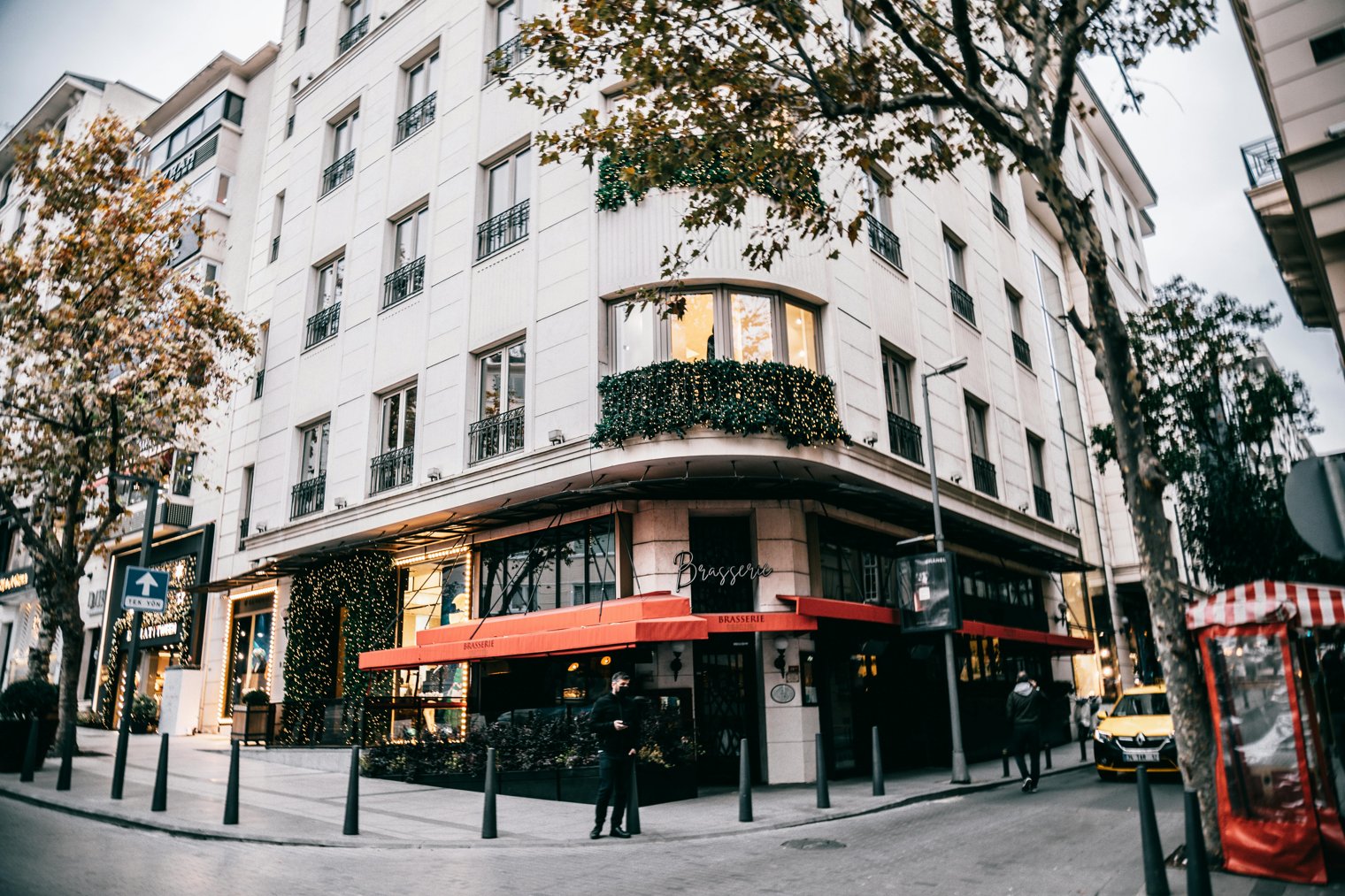
Starting a new chapter in a new city embracing change, challenges, and the excitement of fresh beginnings.
Moving to a new city can be a life-changing experience, whether it’s for a new job, educational opportunities, or just a fresh start. The process is both exhilarating and overwhelming, filled with excitement and fear of the unknown. This scenario explores the emotional, social, and logistical aspects of relocating to a new city, including managing expectations, setting up a new home, and building new connections.
Early Morning (7:00 AM – 9:00 AM): Waking up in the new city, feeling both excited and uncertain about the day ahead.
Mid-Morning (9:00 AM – 12:00 PM): Exploring the neighborhood, running errands, and meeting new people.
Afternoon (12:00 PM – 4:00 PM): Settling into the new apartment, setting up utilities, and learning the city’s layout.
Evening (5:00 PM – 7:00 PM): Reflecting on the day’s progress, having dinner at a local restaurant, and planning next steps.
Late Night (8:00 PM – 10:00 PM): Relaxing at home, unwinding after a busy day, and connecting with friends and family remotely.
City Center: The heart of the city, filled with shops, restaurants, and cultural attractions.
Local Grocery Store: Familiarizing yourself with where you’ll shop for food and household items.
Public Transportation Hub: Learning the best routes for buses, subways, or light rails to get around the city.
Professional Networking Event: Attending meetups and professional events to build connections in your new city.
Pet Supply Store: If you have pets, this is where you’ll find everything they need in your new location.
Gym or Fitness Center: Joining a local gym to maintain physical health and meet others.
Post Office: Changing your address and handling any important mail or packages.
Local Library: A quiet spot for reading, studying, or accessing community resources.
Museum or Art Gallery: A cultural experience to help you feel connected to your new home.
Local Church or Religious Center: A place to find community, spiritual support, or volunteer opportunities.
Local Bar or Pub: Socializing with locals and building new friendships in a casual setting.
Bookstore: A place to buy books, maps, or travel guides to help you explore your new city.
Community Center: Finding social activities, fitness classes, or local organizations to join.
Local Park: A relaxing space for walks, jogs, or casual socializing with other newcomers.
Dog Park: If you have pets, a place to meet other dog owners and let your pet interact with others.
Healthcare Center: Finding doctors, dentists, or specialists to establish care in your new city.
Bank: Opening a local bank account and getting familiar with ATMs or financial services.
Online Marketplace: Finding used furniture, items, or local services to help with the move.
Flea Market or Farmers Market: A place to buy fresh produce, artisan goods, and local products.
Cinema or Movie Theater: Watching films as a way to relax and get to know your new city.
Fitness Class: Taking yoga, pilates, or other fitness classes to maintain a healthy routine.
Parked Car: The place where you park your car, reflecting your new environment.
Food Delivery Services: Getting used to local delivery services like DoorDash, GrubHub, or Postmates.
Startup Incubator: A location for aspiring entrepreneurs to meet and work on projects in the new city.
Art District: Visiting a creative area of the city filled with galleries, street art, and creative shops.
Change, Independence, New Beginnings, Social Integration, Personal Growth
1. Airbnb: Finding Temporary Accommodation
2. DoorDash: Food Delivery for Newcomers
3. Uber: Rideshare Services for Transportation
4. Lyft: Alternative Ride Service
5. Yelp: Discovering Local Businesses
6. LinkedIn: Networking for Career Growth
7. Meetup: Finding Social Events and Clubs
8. Eventbrite: Local Events and Networking Opportunities
9. Google Maps: Navigating Your New City
10. TaskRabbit: Hiring Help for Home Projects
11. Home Depot: Buying Home Supplies and Tools
12. Amazon: Purchasing Home Goods and Essentials
1. Walmart: House essentials like furniture and cleaning supplies.
2. Amazon: Ordering larger items for home setup.
3. Target: Basic home décor and kitchen supplies.
4. Best Buy: Electronics and home office essentials.
• Reliable Transportation (Car or Public Transport):
• Comfortable Furniture for the Home:
• Laptop or Computer for Work or School:
• Local SIM Card and Phone Service:
• Address Change Notification with USPS:
• Grocery Store Nearby:
• Home Essentials (Toiletries, Bedding, Kitchen Items):
• Wi-Fi or Internet Connection:
• Contact List for New Social Connections:
• Health Insurance and Doctors:
• SquareSpace (Website for Personal Branding)
• Uber (Transportation to Explore the City)
• TaskRabbit (Handyman Help for Quick Repairs)
Emotional Strain from Being Away from Family and Friends
Financial Pressure from Setting Up in a New City
Loneliness and Social Isolation in a New Environment
Difficulty Navigating New Systems and Resources
Finding a Suitable Job or Career Path in a New City
Homesickness and Yearning for Familiarity
Managing Stress from the Overwhelming Transition
Scheduling Regular Time to Explore Your New City
Networking with Local Professionals and Groups
Organizing Tasks and Projects Efficiently to Stay on Track
Maintaining Regular Communication with Loved Ones
Staying Physically Active to Combat Stress and Anxiety
Settle Into the New Job and City, Making Long-Term Adjustments
Move to a New Neighborhood Once You’re Comfortable with the City
Expand Your Network and Career Opportunities Locally
Transition to Long-Term Residency in the New City
Start a Business or Freelance Career Based on Newfound Interests
Events
You must log in to add an event.
Events for this Scenario
No events found for this scenario yet.
Experiences
Please log in to share your experience.