
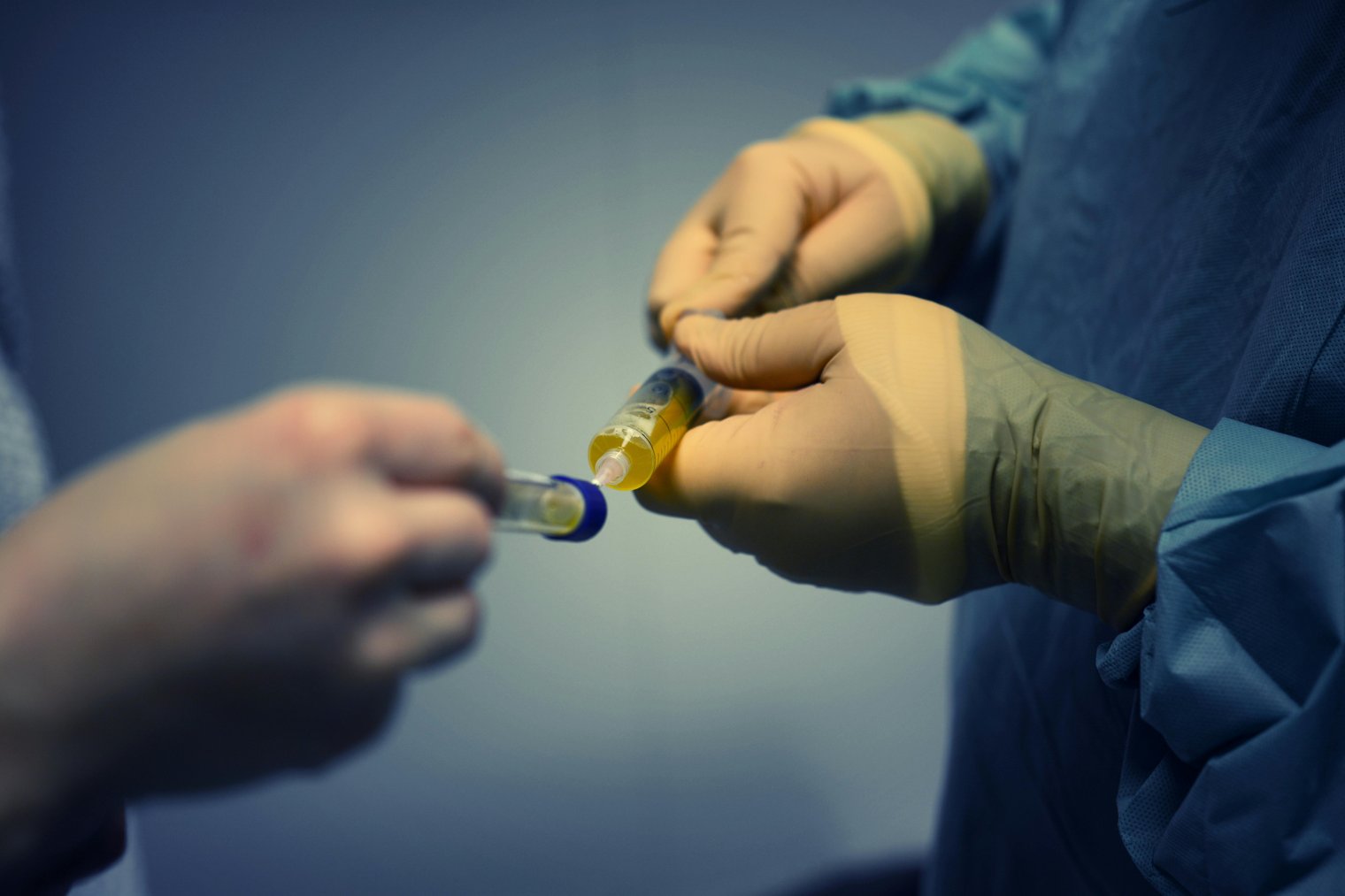
Unveiling the truth beneath the surface where science and investigation meet.
Performing an autopsy is a critical task for a forensic pathologist, aimed at uncovering the cause of death through scientific examination. This process involves examining the body, organs, and tissues to provide valuable information for law enforcement, families, and the medical community. The procedure is done in a highly controlled environment, and each step is meticulously recorded to ensure accuracy.
8:00 AM: Arriving at the morgue, reviewing the case details, and preparing the autopsy tools.
8:30 AM: Starting the incision, carefully following the body’s natural lines to open the chest cavity.
9:00 AM: Inspecting the organs, taking tissue samples for further analysis.
9:45 AM: Documenting the findings and recording observations into the report.
11:00 AM: Completing the autopsy and preparing the body for final disposition.
The County Morgue (Los Angeles, CA): A sterile, secure facility where autopsies are performed. The morgue has state-of-the-art equipment and a dedicated autopsy room for forensic examinations.
Forensic Pathology Lab at the University of Miami (Miami, FL): A leading institution for forensic pathology, where students and professionals learn the art of autopsy through hands-on experience.
Cook County Medical Examiner's Office (Chicago, IL): A well-known location where autopsies are performed to determine causes of death for criminal investigations, accidents, and natural causes.
Wayne County Medical Examiner’s Office: Detroit, MI
New York City Office of the Chief Medical Examiner: New York, NY
Maricopa County Medical Examiner: Phoenix, AZ
Harris County Institute of Forensic Sciences: Houston, TX
San Francisco Office of the Chief Medical Examiner: San Francisco, CA
Los Angeles County Department of Coroner: Los Angeles, CA
King County Medical Examiner’s Office: Seattle, WA
Jackson County Medical Examiner: Kansas City, MO
Cook County Medical Examiner: Chicago, IL
Ventura County Medical Examiner’s Office: Ventura, CA
Miami-Dade Medical Examiner Department: Miami, FL
Santa Clara County Medical Examiner’s Office: San Jose, CA
District of Columbia Office of the Chief Medical Examiner: Washington, D.C.
Nashville Medical Examiner’s Office: Nashville, TN
Philadelphia Medical Examiner’s Office: Philadelphia, PA
Riverside County Department of Public Health: Riverside, CA
Pima County Office of the Medical Examiner: Tucson, AZ
Baltimore City Medical Examiner’s Office: Baltimore, MD
Orange County Forensic Medical Services: Santa Ana, CA
Coroner’s Office of Maricopa County: Phoenix, AZ
Clark County Coroner’s Office: Las Vegas, NV
Cuyahoga County Medical Examiner: Cleveland, OH
Multnomah County Medical Examiner’s Office: Portland, OR
Allegheny County Medical Examiner’s Office: Pittsburgh, PA
New Jersey State Police Forensic Science Laboratory: Hamilton, NJ
Forensic science, medical examination, investigation, truth-seeking, legal processes.
1. LexisNexis: Legal and Forensic Research Platform
2. Forensic Pathology Services: Autopsy and Forensic Services
3. DocuSign: For signing legal and medical documents
4. Coroner Software Solutions: Specialized software for autopsy documentation
5. American Academy of Forensic Sciences: Professional association for forensic experts
6. LabCorp: Medical Laboratory Services
7. Quest Diagnostics: Diagnostic Testing Services
8. Amazon Medical Supplies: Forensic tools and equipment
9. WebMD: For general health and medical information
10. Merck Manuals: Medical information resources
11. PathologyOutlines: Pathology reference guides
12. Rusch: Medical Supplies for Pathology
13. Tru-Tome: Surgical Instruments for Forensic Pathology
14. ProPublica: Investigative journalism in the medical field
15. CourtTV: Forensic reporting and case coverage
16. CDC: Centers for Disease Control and Prevention
17. Johns Hopkins Medicine: Pathology and Forensic Services
18. National Forensic Science Technology Center: Forensic Technology and Tools
19. Medline: Medical Supplies
20. CVS Health: Forensic supplies and prescriptions
21. Federal Bureau of Investigation: FBI Forensic Lab
22. National Institute of Justice: Forensic Research and Funding
23. Forensic Pathology Inc.: Forensic Pathology Service Provider
24. Precision Forensic Inc.: Medical Equipment and Services
25. Certified Forensic Specialists: Forensic Pathologist Certification
26. Forensic Magazine: Industry magazine for forensic professionals
27. The Forensic Science Society: Professional Association
1. Amazon (Purchase autopsy tools and medical instruments)
2. LabCorp (Get blood and tissue samples analyzed)
3. WebMD (Research medical conditions for forensic cases)
4. Quest Diagnostics (Order lab tests)
5. Forensic Pathology Services (Contact for pathology consultation)
6. Merck Manuals (Use for medical reference during the autopsy)
7. Johns Hopkins Medicine (Study forensic pathology cases and guidelines)
8. National Institute of Justice (Stay updated with forensic technologies)
9. CDC (Review disease-related death cases)
10. Precision Forensic Inc. (Find forensic autopsy equipment)
• Autopsy Tools (Scalpel, forceps, scissors):
• Legal Documentation (Death certificate, consent forms):
• Pathology Report (Detailed findings and observations):
• Medical Equipment (Stethoscope, thermometer):
• Forensic Software (For documenting findings):
• Digital Camera (To photograph the body and organs):
• Body Storage (For preserving the body):
• Surgical Scrubs (For maintaining sterility):
• Gloves (For handling samples and specimens):
• Notebooks/Documentation (For recording detailed observations):
• Tru-Tome Autopsy Instruments
• Olympus Digital Camera (Forensic photography)
• Amazon Medical Tools (Scalpel, forceps, etc.)
• Quest Diagnostics Lab Reports
• Rusch Surgical Instruments
• Emotional Toll: The nature of the work can be emotionally taxing, especially in homicide cases.
• Physical Demands: The autopsy process requires stamina and focus for long hours.
• Legal Disputes: Sometimes autopsy findings become points of contention in legal cases.
• Incomplete Records: Missing or inadequate information from prior medical records can complicate findings.
• Time Constraints: Autopsies often need to be completed within tight deadlines.
• Health Risks: Handling bodily fluids and pathogens requires precautionary measures.
• Technical Errors: The risk of equipment failure or mishandling can affect the results.
Regularly reviewing case files before conducting autopsies.
Ensuring autopsy tools are sterile and properly prepared before starting.
Documenting every step of the autopsy process meticulously.
Coordinating with law enforcement for follow-up on suspicious findings.
Using consistent methods for organ examination and tissue sampling.
Cleaning and sterilizing equipment after each procedure.
Reviewing previous autopsies for comparison and learning.
Finalizing the autopsy report and submitting it to law enforcement.
Discussing findings with law enforcement or legal teams if necessary.
Preparing the body for release or further examination.
Filing the autopsy documentation for future reference or case progression.
Transitioning to the next scheduled autopsy or case.
Events
You must log in to add an event.
Events for this Scenario
No events found for this scenario yet.
Experiences
Please log in to share your experience.