
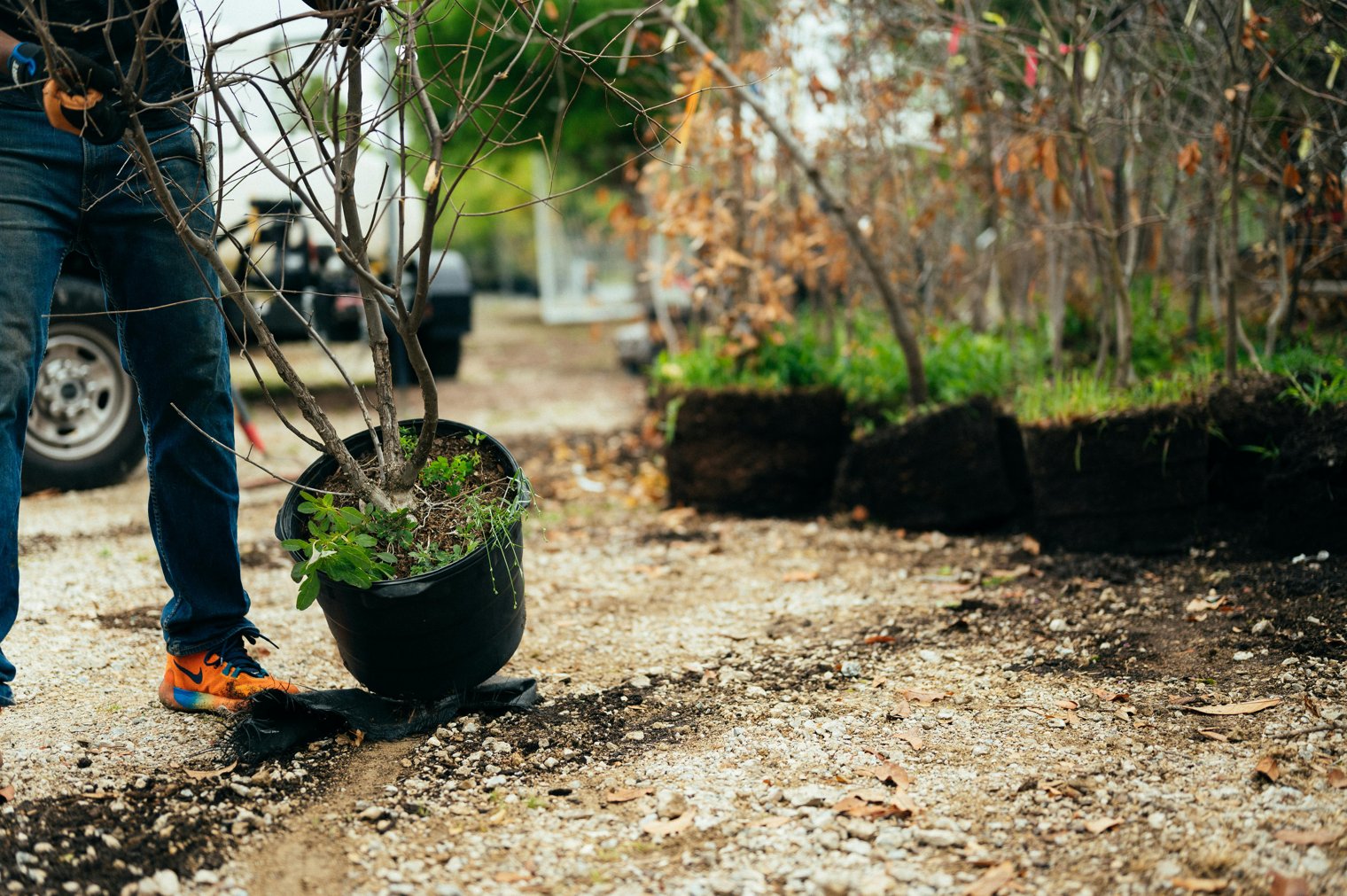
Grow today, nourish tomorrow planting for the future.
"Planting a Garden for Future Generations" is a hands-on, rewarding experience focused on creating a sustainable garden that will thrive long after you’re gone. It’s about making choices today that will benefit the environment and future generations. Whether it’s planting trees, flowers, or vegetables, this scenario involves taking the time to cultivate the earth, connect with nature, and contribute to a greener planet for those who will come after you.
7:30 AM: You wake up early to prepare the soil for the garden, breathing in the cool morning air and feeling the sense of peace that comes with starting something that will grow over time.
9:00 AM: You visit your local nursery to choose the best plants for your garden, carefully considering which ones will thrive in your climate and provide lasting beauty or nourishment.
12:00 PM: The planting begins. You dig into the soil, feeling the earth between your fingers as you plant the first tree sapling, thinking about how it will grow strong and tall over the years.
3:00 PM: You water your newly planted garden, feeling proud as you look at the small but meaningful changes you’ve made to the landscape.
6:00 PM: As the sun sets, you reflect on your garden project, feeling the satisfaction of knowing you’ve contributed to something that will thrive for generations to come.
The New York Botanical Garden (Bronx, NY) - A vast, beautifully landscaped garden that offers inspiration and education on sustainable gardening practices. It's a place where you can learn about planting, conservation, and long-term garden care.
Landmarks: Rose Garden, Native Plant Garden, Conservatory.
Tips: Visit the garden for inspiration or take part in one of their gardening workshops to learn how to grow your own plants with environmental mindfulness.
The Royal Botanic Gardens (Kew Gardens, Richmond, UK) - Known for its incredible collection of plants and dedication to conservation, Kew Gardens is the perfect place to learn about gardening for future generations.
Landmarks: Palm House, Temperate House, Arboretum.
Tips: Attend one of their gardening and sustainability events to deepen your understanding of how to care for plants that will last for generations.
Local Community Garden (Example: Plant Chicago Community Garden, Chicago, IL) - A community garden where you can participate in planting and caring for local plant life. These gardens often include native species and sustainable practices.
Landmarks: Community vegetable gardens, shared green spaces.
Tips: Volunteering at a community garden is a great way to connect with others while contributing to sustainability.
The New York Botanical Garden (Bronx, NY)
The Royal Botanic Gardens (Kew Gardens, Richmond, UK)
Plant Chicago Community Garden (Chicago, IL)
The Huntington Library, Art Museum, and Botanical Gardens (San Marino, CA)
Longwood Gardens (Kennett Square, PA)
Chicago Botanic Garden (Glencoe, IL)
The Arboretum of Los Angeles County (Arcadia, CA)
The Desert Botanical Garden (Phoenix, AZ)
Brooklyn Botanic Garden (Brooklyn, NY)
The Missouri Botanical Garden (St. Louis, MO)
Mount Vernon Estate and Gardens (Mount Vernon, VA)
National Arboretum (Washington, D.C.)
Butchart Gardens (Brentwood Bay, BC, Canada)
The Atlanta Botanical Garden (Atlanta, GA)
The Los Angeles County Arboretum and Botanic Garden (Arcadia, CA)
Filoli Gardens (Woodside, CA)
The Getty Center Gardens (Los Angeles, CA)
The Royal Horticultural Society Gardens (Wisley, UK)
The National Botanic Garden of Wales (Carmarthenshire, Wales)
Edinburgh Botanic Garden (Edinburgh, Scotland)
The San Francisco Botanical Garden (San Francisco, CA)
Desert Gardens (Palm Springs, CA)
Red Butte Garden (Salt Lake City, UT)
Morton Arboretum (Lisle, IL)
Chelsea Physic Garden (London, UK)
Devonian Botanic Garden (Edmonton, Canada)
Sustainability, Environmental Stewardship, Community, Growth, Long-term Impact
1. Home Depot: Retailer with gardening and environmental tools
2. Lowe’s: Home improvement store with eco-friendly gardening supplies
3. The Nature Conservancy: Environmental nonprofit
4. Patagonia: Clothing brand with an eco-conscious mission
5. REI: Outdoor retailer with sustainable products
6. Seed Savers Exchange: Nonprofit preserving heirloom seeds
7. Tesla: Electric vehicles for a sustainable future
8. The Royal Horticultural Society: Nonprofit focused on gardening education
9. Amazon: For sustainable gardening tools and resources
10. IKEA: Furniture and home decor with sustainability initiatives
11. Whole Foods Market: Grocery store with sustainable food and gardening products
12. Earthbound Farm: Organic food company with sustainability values
13. Better Homes & Gardens: Magazine and resource for sustainable living
14. The Greenhouse: Online gardening retailer
15. National Geographic: Sustainability and conservation media
16. The Compost Company: Composting supplies
17. Native Seed Search: Nonprofit organization for native plant conservation
18. Botanical Interests: Seed company with sustainable gardening options
19. Tesla Solar: Solar energy solutions
20. Greendex: Sustainable living products
21. Ecolife Conservation: Environmental nonprofit
22. Farm Fresh To You: Local organic farm with sustainable practices
23. Green Living: Sustainable products for home gardening
24. Habitat for Humanity: Nonprofit building sustainable homes
25. Whole Systems Design: Sustainable landscape design
1. Home Depot (Purchase sustainable gardening tools)
2. Lowe’s (Get eco-friendly fertilizers and composting supplies)
3. REI (Purchase organic gardening tools)
4. Whole Foods Market (Buy organic seeds and gardening supplies)
5. IKEA (Get eco-friendly home decor for a sustainable living space)
6. Amazon (Order sustainable gardening books)
7. Tesla Solar (Install solar panels to support your garden)
8. Native Seed Search (Order native seeds for planting)
9. Seed Savers Exchange (Purchase heirloom seeds for long-term gardening)
10. Better Homes & Gardens (Learn sustainable gardening tips)
• Organic seeds: The foundation for a sustainable garden.
• Compost bin: To recycle organic waste into nutrient-rich soil.
• Gardening gloves: To protect your hands while planting.
• Eco-friendly fertilizer: To nourish plants without harming the environment.
• Watering can: For consistent watering without waste.
• Raised garden beds: To grow plants sustainably.
• Mulch: To protect the soil and conserve moisture.
• Plant markers: To identify and care for different plants.
• Gardening books: For tips on sustainable planting.
• A local nursery: For sourcing native plants and sustainable materials.
• Tesla Solar (Solar energy solutions for sustainable living)
• REI (Sustainable gardening tools)
• Better Homes & Gardens (Sustainable gardening tips)
• Amazon (Gardening books and supplies)
• Native Seed Search (Native plant seeds for conservation)
Climate constraints may limit plant options.
Gardening requires time, patience, and effort.
Pest control may be challenging without chemicals.
Limited space in urban areas for planting.
High initial cost of sustainable gardening supplies.
Weather conditions may affect plant growth.
Gardening can be physically demanding.
Watering the garden consistently.
Regularly composting organic waste.
Researching sustainable gardening practices.
Replanting and rotating crops seasonally.
Participating in local gardening communities.
Monitoring plant health and pests.
Recycling garden waste to create more sustainable practices.
Transition to smaller-scale gardening after the full setup.
Donate surplus plants to local community gardens.
Start a new garden project with additional space.
Shift focus to a different environmental project (e.g., tree planting).
Continue gardening as a long-term hobby and sustainability effort.
Events
You must log in to add an event.
Events for this Scenario
No events found for this scenario yet.
Experiences
Please log in to share your experience.