
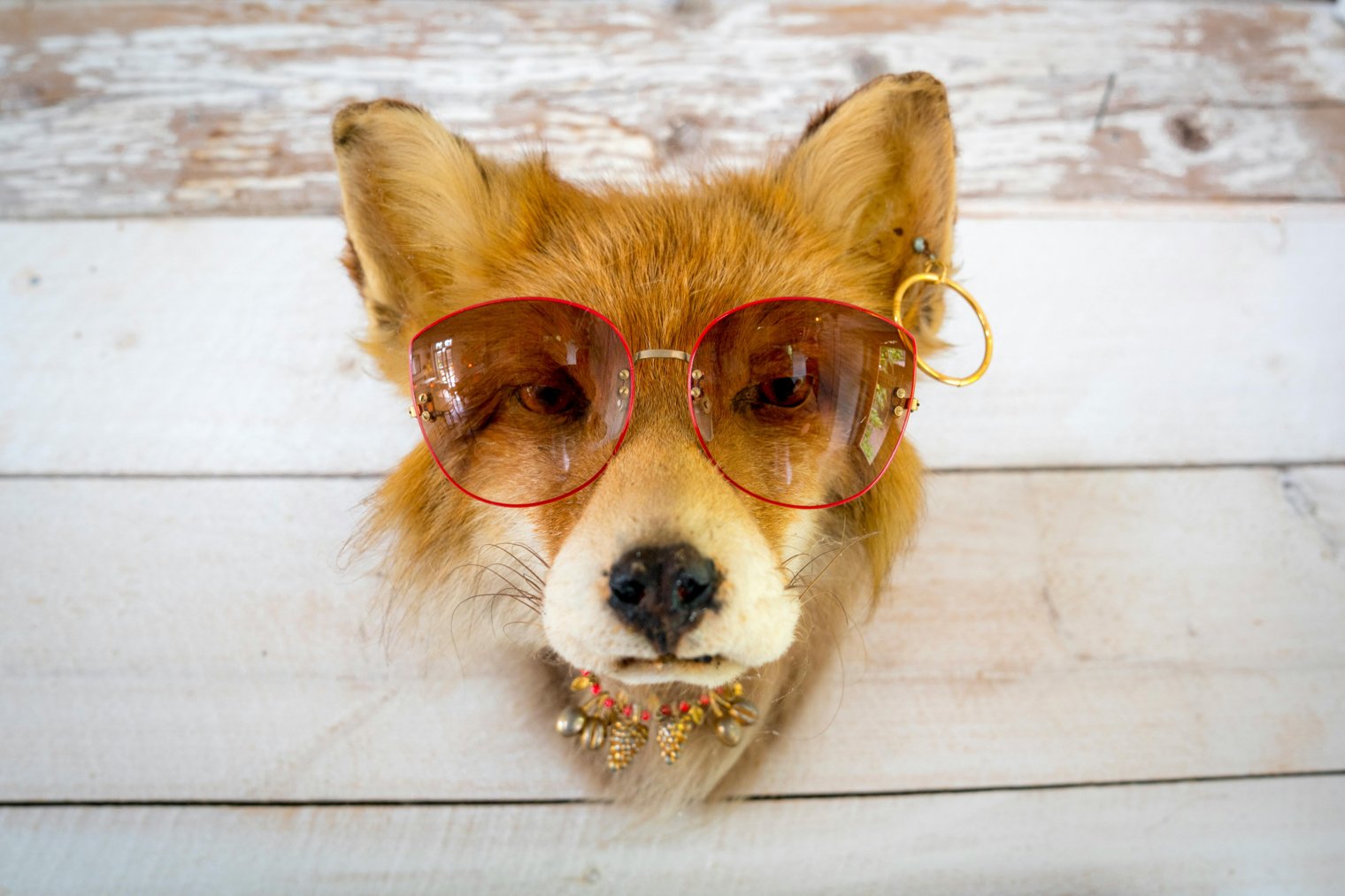
Preserve nature’s beauty bring your understanding of animals to life through taxidermy.
Taxidermy is the delicate and meticulous art of preserving animals for display. This process involves cleaning, drying, and mounting the specimen so that it retains its lifelike appearance. While commonly associated with hunting trophies, taxidermy is also used for scientific study, art, and educational purposes. In this scenario, you’ll learn the basic techniques of taxidermy, including how to prepare the specimen, mount it, and display it for educational or artistic purposes.
9:00 AM: Set up the taxidermy workspace, ensuring you have all necessary tools: needles, pins, form, and preservative chemicals.
9:30 AM: Begin skinning the specimen, carefully separating the fur or feathers from the body.
10:00 AM: Prepare the specimen’s body form and insert it, shaping it to match the natural pose of the animal.
10:30 AM: Stitch the skin back into place, securing it with pins and needles as it dries.
11:00 AM: Apply finishing touches, such as grooming the fur and ensuring the pose is natural.
Taxidermy Supply Store (Various Locations)
Overview: A shop specializing in taxidermy tools and materials, from chemicals to mounting forms.:
Landmarks: Shelves stocked with animal forms, glass eyes, taxidermy needles, and chemical preservatives.:
Tips: Visit to find the specialized tools required for preserving a variety of specimens.:
Museum of Natural History (Various Locations)
Overview: A museum showcasing taxidermy specimens for education and art.:
Landmarks: Exhibits featuring taxidermy animals in naturalistic poses, educational displays.:
Tips: Observe how professionals display specimens to learn how to perfect your craft.:
Local Taxidermist Studio (Various Locations)
Overview: A professional studio offering taxidermy services and workshops.:
Landmarks: A workspace with mounted animals, forms, and professional equipment.:
Tips: Consider taking a workshop to gain hands-on experience and learn advanced techniques.:
The Taxidermy Shop (Los Angeles, CA)
Midwest Taxidermy (Chicago, IL)
The Museum of Natural History (New York, NY)
The Field Museum of Natural History (Chicago, IL)
Rocky Mountain Taxidermy (Denver, CO)
The Taxidermist Guild (Portland, OR)
The Taxidermy Store (Online)
Academy of Taxidermy (Washington, D.C.)
The Animal Studio (Austin, TX)
True Life Taxidermy (Dallas, TX)
Texas Taxidermy Services (San Antonio, TX)
National Taxidermy Association (Online)
Taxidermy University (Online Courses)
The Wildlife Preservation Store (Phoenix, AZ)
Antique Taxidermy (Los Angeles, CA)
Advanced Taxidermy (San Francisco, CA)
Trophy Taxidermy (Atlanta, GA)
The Taxidermy Vault (Los Angeles, CA)
New York Taxidermy (New York, NY)
All Natural Taxidermy (Chicago, IL)
The Taxidermy Barn (Kansas City, MO)
Precision Taxidermy (Miami, FL)
The Mounting Specialist (Nashville, TN)
Montana Taxidermy (Billings, MT)
Wildlife Artisans (Tucson, AZ)
Precision, artistry, preservation, education, craftsmanship
1. The Taxidermy Shop: Los Angeles, CA
2. The Museum of Natural History: New York, NY
3. Taxidermy University: Online Courses
4. Midwest Taxidermy: Chicago, IL
5. True Life Taxidermy: Dallas, TX
6. Rocky Mountain Taxidermy: Denver, CO
7. The Field Museum of Natural History: Chicago, IL
8. Wildlife Artisans: Tucson, AZ
9. Texas Taxidermy Services: San Antonio, TX
10. Trophy Taxidermy: Atlanta, GA
11. Academy of Taxidermy: Washington, D.C.
12. Taxidermy Guild: Online
13. Precision Taxidermy: Miami, FL
14. New York Taxidermy: New York, NY
15. All Natural Taxidermy: Chicago, IL
16. The Taxidermy Vault: Los Angeles, CA
17. Advanced Taxidermy: San Francisco, CA
18. The Wildlife Preservation Store: Phoenix, AZ
19. Taxidermy Museum: Portland, OR
20. Taxidermy Pro: Chicago, IL
21. The Animal Studio: Austin, TX
22. Wildlife Museum: Los Angeles, CA
23. Wilderness Arts & Entertainment: Chicago, IL
24. Antique Taxidermy: Los Angeles, CA
25. The Taxidermy Barn: Kansas City, MO
26. Taxidermy Gear: Online Store
27. Trophy Works: Atlanta, GA
28. Mountain View Taxidermy: Denver, CO
29. Global Taxidermy: Online Store
30. EarthBound Taxidermy: Portland, OR
31. The Creators Guild: Los Angeles, CA
32. Mounting the Wild: Austin, TX
33. Creature Preservation Co.: Miami, FL
34. Taxidermy for All: Online Shop
35. The Wildlife Preserver: New York, NY
36. Animal Mounts Unlimited: Chicago, IL
37. Classic Taxidermy: Seattle, WA
38. The Wildlife Enthusiast: Dallas, TX
39. The Taxidermist's Den: San Francisco, CA
40. Wild Wonders: Orlando, FL
41. Expert Taxidermy: Atlanta, GA
42. The Animal Preserve: Chicago, IL
43. Heritage Taxidermy: Phoenix, AZ
44. National Taxidermy: Chicago, IL
45. Woodland Mounts: Portland, OR
46. The Wildlife Display: San Diego, CA
47. The Preservation Institute: Austin, TX
48. Warden's Taxidermy: Las Vegas, NV
49. Trophy Masters: Miami, FL
50. Mounting Solutions: Orlando, FL
1. Amazon: Purchase a starter taxidermy kit with necessary tools and supplies.
2. The Taxidermy Shop: Visit for professional taxidermy tools and animal specimens.
3. Academy of Taxidermy: Enroll in an online class to learn foundational techniques.
4. Michaels: Stock up on display cases and pinning materials.
5. The Field Museum: Observe professional specimens for inspiration.
6. The Taxidermy Vault: Browse for advanced mounting tools and resources.
7. Etsy: Shop for instructional books or vintage taxidermy pieces.
8. National Taxidermy Association: Become a member and access exclusive resources.
9. The Wildlife Preserver: Buy preserving chemicals and materials for your specimens.
10. The Taxidermist Guild: Attend workshops and seminars to enhance your skills.
• Taxidermy Tools (Needles, Pins, Forceps):
• Preservative Chemicals (Borax, Formaldehyde):
• Specimen (Animal or Bird):
• Mounting Form (for shaping the specimen):
• Glass Eyes (for animal displays):
• Soldering Iron (for repairs or finishing):
• Display Base or Stand:
• Protective Gloves:
• Safety Goggles:
• Instructional Guides or Resources:
• McKenzie Taxidermy Products
• Van Dyke's Taxidermy Supplies
• Old Barn Taxidermy Products
• W.T. Taxidermy Tools
• Carolina Biological Taxidermy Kit
Requires precision and steady hands to prevent mistakes.
The process can be time-consuming, especially for larger animals.
High upfront cost for tools and supplies.
The preservation chemicals can be toxic and require proper ventilation.
Some animal species may not be available for collection.
Pinning and mounting require patience to ensure lifelike poses.
Taxidermy can be a controversial topic for some people.
Regularly clean and maintain taxidermy tools.
Always check the preservation chemicals before use.
Store specimens properly to avoid damage or degradation.
Participate in taxidermy workshops and classes to continue learning.
Record the details of each specimen, including its natural habitat.
Keep a safe workspace to avoid accidents with sharp tools and chemicals.
Take breaks to ensure quality work and avoid hand fatigue.
Display the taxidermied specimen in your home or office.
Sell the finished pieces at an art or craft market.
Donate the specimens to museums or educational institutions.
Transfer your skills into other forms of art, such as sculpture or painting.
Take a break and explore different taxidermy techniques on a new project.
Events
You must log in to add an event.
Events for this Scenario
No events found for this scenario yet.
Experiences
Please log in to share your experience.