
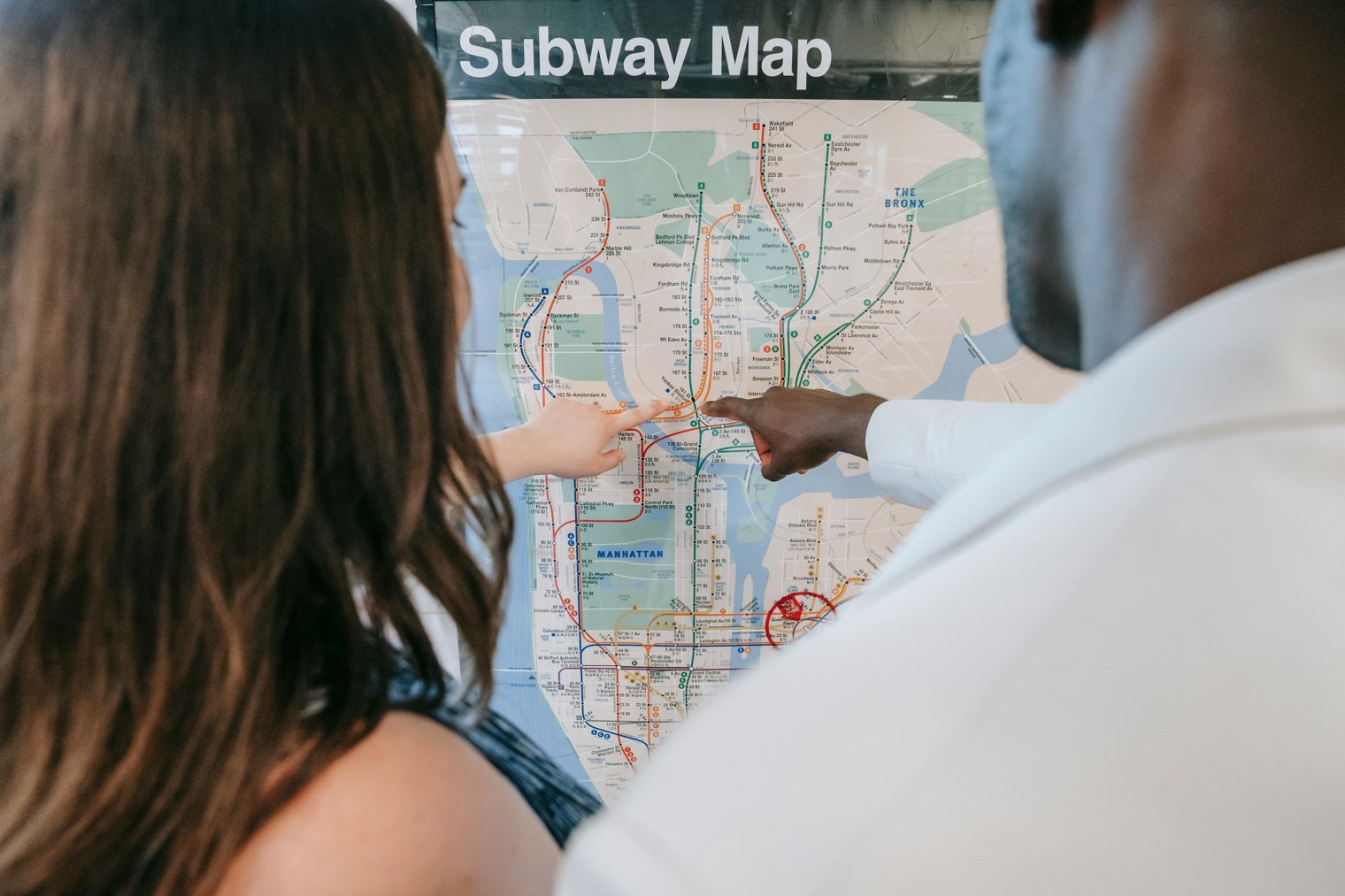
The moment you realize your ride is headed somewhere unexpected panic and confusion collide.
Realizing you’re on the wrong bus or train is an all-too-common experience in urban and suburban life. Whether it’s from a moment of inattention, bad directions, or a misread schedule, this scenario can throw your travel plans into disarray. It’s a brief yet intensely stressful realization that can happen to anyone, from the seasoned commuter to the once-in-a-while traveler. It involves navigating the confusion, anxiety, and logistics of trying to get back on track, all while dealing with potential delays or missed stops.
8:25 AM: You board the train confidently, but as it starts moving, you realize the stations aren’t lining up with your expectations.
8:30 AM: You glance up from your phone, realizing that the neighborhood passing by the window is completely unfamiliar.
8:40 AM: You search for any signs, but panic sets in as you can’t find a schedule or map that helps clarify your situation.
8:50 AM: You nervously ask the conductor or driver if you’re on the right route, hoping for a quick resolution.
9:00 AM: After making a split-second decision, you get off at the next stop and look for the return train or bus, scrambling to regain your bearings.
Overview: A major transit hub in New York City serving multiple subway lines, buses, and the Metro-North Railroad.
Overview: The main train station in Los Angeles, offering connections to various Metrolink, Amtrak, and Metro services.
Chicago Transit Authority (CTA) System (Chicago, IL)
Overview: The CTA operates Chicago's famous "L" (elevated) train system as well as buses.
Penn Station (New York, NY): A major train and subway hub, easily accessible for commuters and travelers.
Gare du Nord (Paris, France): A large railway station, famous for its train connections to the north and Europe.
King's Cross Station (London, UK): A well-known station for trains to the north of England, including the famous Harry Potter platform.
Tokyo Station (Tokyo, Japan): A central transit hub that connects multiple rail lines and subway services in Tokyo.
Los Angeles International Airport (LAX): A busy international airport with numerous public transport options.
San Francisco International Airport (SFO): Serves both airport travelers and offers BART train connections to the city.
Philadelphia 30th Street Station (Philadelphia, PA): A major Amtrak station offering connections to regional trains and subways.
Boston South Station (Boston, MA): A central transportation hub for trains, buses, and subways.
Seattle’s King Street Station (Seattle, WA): A historic station offering Amtrak and light rail connections.
Washington Union Station (Washington, D.C.): A major train hub for Amtrak and commuter rail services.
Atlanta Hartsfield-Jackson Airport (Atlanta, GA): Offers public transit options for airport travelers, including MARTA rail service.
Toronto Union Station (Toronto, Canada): A well-known Canadian transit hub for local and intercity trains.
Minneapolis-Saint Paul International Airport (MSP): Offers light rail connections and various bus lines.
Salt Lake City International Airport (SLC): A key location for connecting public transport services in Utah.
Miami International Airport (MIA): Features transit connections to various parts of Miami.
Dallas/Fort Worth International Airport (DFW): Serves both air travel and connects with local transportation systems.
Denver Union Station (Denver, CO): A historic station for both local and national train travel.
Amtrak Station (Chicago, IL): Known for its wide variety of train services that serve both local and long-distance travel.
Portland Union Station (Portland, OR): A key station for trains heading both regionally and nationally.
Chicago O'Hare International Airport (Chicago, IL): Offers various local transit connections and is a major airport hub.
London Victoria Station (London, UK): Another major railway station serving regional services to the South of England.
Montreal Central Station (Montreal, Canada): Offers various connections to local and long-distance trains.
Vancouver International Airport (YVR): An international airport with direct transit options into the city.
Calgary International Airport (YYC): Connects directly to local transit and airport shuttle services.
Denver International Airport (DEN): Offers direct light rail connections to downtown Denver.
Penn Station (New York, NY): A major train and subway hub, easily accessible for commuters and travelers.
Gare du Nord (Paris, France): A large railway station, famous for its train connections to the north and Europe.
King's Cross Station (London, UK): A well-known station for trains to the north of England, including the famous Harry Potter platform.
Tokyo Station (Tokyo, Japan): A central transit hub that connects multiple rail lines and subway services in Tokyo.
Los Angeles International Airport (LAX): A busy international airport with numerous public transport options.
San Francisco International Airport (SFO): Serves both airport travelers and offers BART train connections to the city.
Philadelphia 30th Street Station (Philadelphia, PA): A major Amtrak station offering connections to regional trains and subways.
Boston South Station (Boston, MA): A central transportation hub for trains, buses, and subways.
Seattle’s King Street Station (Seattle, WA): A historic station offering Amtrak and light rail connections.
Washington Union Station (Washington, D.C.): A major train hub for Amtrak and commuter rail services.
Atlanta Hartsfield-Jackson Airport (Atlanta, GA): Offers public transit options for airport travelers, including MARTA rail service.
Toronto Union Station (Toronto, Canada): A well-known Canadian transit hub for local and intercity trains.
Minneapolis-Saint Paul International Airport (MSP): Offers light rail connections and various bus lines.
Salt Lake City International Airport (SLC): A key location for connecting public transport services in Utah.
Miami International Airport (MIA): Features transit connections to various parts of Miami.
Dallas/Fort Worth International Airport (DFW): Serves both air travel and connects with local transportation systems.
Denver Union Station (Denver, CO): A historic station for both local and national train travel.
Amtrak Station (Chicago, IL): Known for its wide variety of train services that serve both local and long-distance travel.
Portland Union Station (Portland, OR): A key station for trains heading both regionally and nationally.
Chicago O'Hare International Airport (Chicago, IL): Offers various local transit connections and is a major airport hub.
London Victoria Station (London, UK): Another major railway station serving regional services to the South of England.
Montreal Central Station (Montreal, Canada): Offers various connections to local and long-distance trains.
Vancouver International Airport (YVR): An international airport with direct transit options into the city.
Calgary International Airport (YYC): Connects directly to local transit and airport shuttle services.
Denver International Airport (DEN): Offers direct light rail connections to downtown Denver.
Transportation, Travel Anxiety, Stress Management, Public Transit, Directional Challenges
Transportation, Travel Anxiety, Stress Management, Public Transit, Directional Challenges
1. Uber: Rideshare Service
2. Lyft: Rideshare Service
3. Amtrak: National Rail Service
4. Google Maps: Navigation App
5. Moovit: Public Transit App
6. Transit App: Navigation App
7. Uber Eats: Food Delivery App
8. Grab: Transportation Service
9. Waze: Navigation App
10. Bolt: Rideshare App
11. GoToBus: Bus Ticketing
12. Lyft Line: Rideshare Service
13. Citymapper: Public Transit Directions
14. BART: Bay Area Rapid Transit
15. Metra: Chicago Suburban Rail
16. Muni: San Francisco’s Public Transport
17. CTA: Chicago Transit Authority
18. UberPOOL: Ridesharing Service
19. GoOpti: Transportation Service
20. Bolt Bus: Bus Service
21. MegaBus: Affordable Bus Service
22. LIRR: Long Island Rail Road
23. Via: Ride-Hailing Service
24. FlixBus: Bus Service
25. National Rail: UK Train Service
26. VIA Rail Canada: Train Service
27. Metrolink: Southern California Rail
28. MTA: New York City Transit
29. TFL: Transport for London
30. Uber: Rideshare Service
31. Lyft: Rideshare Service
32. Amtrak: National Rail Service
33. Google Maps: Navigation App
34. Moovit: Public Transit App
35. Transit App: Navigation App
36. Uber Eats: Food Delivery App
37. Grab: Transportation Service
38. Waze: Navigation App
39. Bolt: Rideshare App
40. GoToBus: Bus Ticketing
41. Lyft Line: Rideshare Service
42. Citymapper: Public Transit Directions
43. BART: Bay Area Rapid Transit
44. Metra: Chicago Suburban Rail
45. Muni: San Francisco’s Public Transport
46. CTA: Chicago Transit Authority
47. UberPOOL: Ridesharing Service
48. GoOpti: Transportation Service
49. Bolt Bus: Bus Service
50. MegaBus: Affordable Bus Service
51. LIRR: Long Island Rail Road
52. Via: Ride-Hailing Service
53. FlixBus: Bus Service
54. National Rail: UK Train Service
55. VIA Rail Canada: Train Service
56. Metrolink: Southern California Rail
57. MTA: New York City Transit
58. TFL: Transport for London
1. Google Maps (Navigate through routes)
2. Uber (Book a ride when you miss the train)
3. Lyft (Alternative ride service)
4. Moovit (Check public transit connections)
5. GoToBus (Bus booking service)
6. BART (San Francisco Bay Area Transit)
7. CTA (Chicago Public Transit)
8. MTA (New York City Public Transit)
9. Via (Catch an affordable ride)
10. Lyft Line (Ridesharing app for shared rides)
11. Google Maps (Navigate through routes)
12. Uber (Book a ride when you miss the train)
13. Lyft (Alternative ride service)
14. Moovit (Check public transit connections)
15. GoToBus (Bus booking service)
16. BART (San Francisco Bay Area Transit)
17. CTA (Chicago Public Transit)
18. MTA (New York City Public Transit)
19. Via (Catch an affordable ride)
20. Lyft Line (Ridesharing app for shared rides)
• Public Transit Map (For identifying wrong stops):
• Phone with Navigation App (Google Maps or Waze):
• Ticket or Pass (Train or bus ticket for fare validation):
• Portable Charger (In case you need to use the phone for directions):
• Travel Schedule (Knowing departure times to plan your next move):
• Train Timetable (For rerouting once you’re on the wrong bus/train):
• Emergency Contact (For when you need to get in touch with someone for advice):
• Comfortable Shoes (For walking back or to the right station):
• Calm Mindset (To deal with the stress of being lost):
• Spare Change (For bus fare or emergency ride-hailing):
• Public Transit Map (For identifying wrong stops):
• Phone with Navigation App (Google Maps or Waze):
• Ticket or Pass (Train or bus ticket for fare validation):
• Portable Charger (In case you need to use the phone for directions):
• Travel Schedule (Knowing departure times to plan your next move):
• Train Timetable (For rerouting once you’re on the wrong bus/train):
• Emergency Contact (For when you need to get in touch with someone for advice):
• Comfortable Shoes (For walking back or to the right station):
• Calm Mindset (To deal with the stress of being lost):
• Spare Change (For bus fare or emergency ride-hailing):
• Uber (Ridesharing Service)
• Google Maps (Navigation App)
• CTA Ventra Card (Transit Card for Chicago)
• Metra Ticket (Suburban Train Ticket)
• T-Mobile (Mobile Connectivity)
Panic and Anxiety from Being Lost
Missing Important Events Due to Delayed Travel
Inconvenience of Having to Find the Correct Route Again
Increased Travel Time
Expensive Fare for Unintended Rides
Unfamiliar Stops Making it Hard to Get Back on Track
Poor Connectivity or Lack of Signal in Certain Locations
Panic and Anxiety from Being Lost
Missing Important Events Due to Delayed Travel
Inconvenience of Having to Find the Correct Route Again
Increased Travel Time
Expensive Fare for Unintended Rides
Unfamiliar Stops Making it Hard to Get Back on Track
Poor Connectivity or Lack of Signal in Certain Locations
Checking the Route Before Boarding
Relying on Mobile Navigation Apps for Transit Guidance
Carrying a Spare Ticket or Travel Card
Taking a Picture of the Route Information or Train Schedule
Asking Fellow Passengers for Help
Planning Alternative Routes in Case of Mistakes
Using Ride-Hailing Apps After Missed Routes
Checking the Route Before Boarding
Relying on Mobile Navigation Apps for Transit Guidance
Carrying a Spare Ticket or Travel Card
Taking a Picture of the Route Information or Train Schedule
Asking Fellow Passengers for Help
Planning Alternative Routes in Case of Mistakes
Using Ride-Hailing Apps After Missed Routes
Get Off at the Next Stop and Find the Right Route
Use a Ride-Hailing Service to Get Back on Track
Walk to a Nearby Station or Transit Hub
Use a Public Transit App to Find an Alternative Route
Call a Friend or Family Member for Guidance
Events
You must log in to add an event.
Events for this Scenario
No events found for this scenario yet.
Experiences
Please log in to share your experience.