
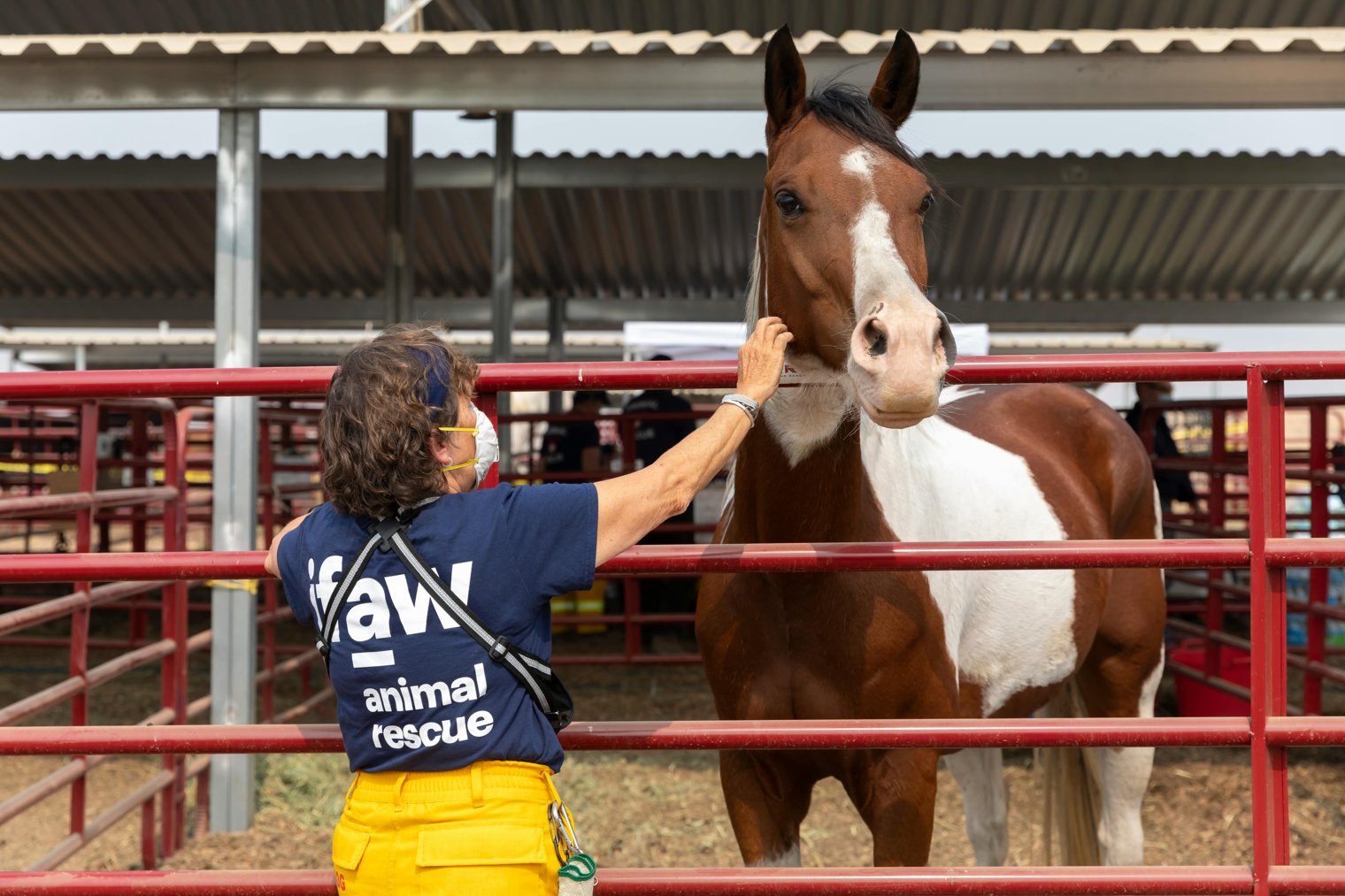
A day spent giving back helping feed those in need and making a tangible impact on your community.
Volunteering at a food bank offers a firsthand look at the challenges faced by many individuals and families who struggle to put food on the table. It’s a chance to contribute to the well-being of your community, one meal at a time. This scenario follows the day of a volunteer who spends their time at a local food bank, sorting donations, preparing food boxes, and interacting with those receiving help. It’s a deeply fulfilling experience, reminding you of the power of community and kindness.
Early Morning Setup (8:00 AM – 9:00 AM): The food bank opens its doors, and volunteers prepare for the day’s tasks by setting up stations and organizing donations.
Mid-Morning Sorting (10:00 AM – 12:00 PM): Volunteers begin sorting food donations, packaging perishable and non-perishable items into boxes for families.
Afternoon Distribution (1:00 PM – 3:00 PM): Boxes are packed and ready for distribution as families arrive to receive their meals and other goods.
Evening Cleanup (5:00 PM – 6:00 PM): After a full day, volunteers clean up, organizing supplies and preparing the food bank for the next round of donations and service.
Reflection Time (7:00 PM – 8:00 PM): Volunteers gather for a short reflection or meeting to discuss the day's events and their impact on the community.
Feeding America, Chicago
Overview: One of the largest nonprofit food banks in the U.S., helping distribute food to millions of people each year.
Landmarks: Central warehouse, regional food banks, and distribution sites.
Tips: Participate in one of their community events to see the impact of your work firsthand.
Overview: Serving New York City's food insecure population by rescuing food and distributing it to communities in need.
Landmarks: Food recovery warehouses, community partnerships.
Tips: Sign up for a food recovery event to see how food donations are rescued and distributed.
Los Angeles Regional Food Bank, California
Overview: Serving over 300,000 people each month, the food bank is an essential resource for those struggling with hunger.
Landmarks: Donation sorting and food distribution centers.
Tips: Participate in large-scale food drives or volunteer at their central warehouse to make a direct impact.
Atlanta Community Food Bank, Georgia
Houston Food Bank, Texas
Second Harvest Heartland, Minnesota
Arizona Food Bank Network, Arizona
Oregon Food Bank, Oregon
Cleveland Food Bank, Ohio
San Francisco-Marin Food Bank, California
Greater Boston Food Bank, Massachusetts
The Idaho Food Bank, Idaho
New York City Food Bank, New York
Maryland Food Bank, Maryland
Utah Food Bank, Utah
Alabama Food Bank Association, Alabama
Greater Chicago Food Depository, Illinois
Pittsburgh Food Bank, Pennsylvania
South Carolina Food Bank Association, South Carolina
Kansas Food Bank, Kansas
Florida Association of Food Banks, Florida
Food Bank of Western Massachusetts, Massachusetts
Central Pennsylvania Food Bank, Pennsylvania
Community Food Bank of New Jersey, New Jersey
Central Texas Food Bank, Texas
Tampa Bay Food Bank, Florida
Montana Food Bank Network, Montana
Vermont Foodbank, Vermont
Giving, community service, empathy, hunger relief, social impact.
1. Feeding America: National food distribution nonprofit
2. City Harvest: Food recovery organization
3. Petco: Pet supplies and care
4. ASPCA: Animal welfare organization
5. PETA: People for the Ethical Treatment of Animals
6. Rover: Pet sitting and walking services
7. The Humane Society: Animal shelter and rescue
8. Chewy: Pet food and supplies
9. Amazon: Donate to local food banks via their platform
10. Walmart: Donation partner to food banks
11. Target: Food donation drives
12. Google: Volunteer platforms and information
13. Lyft: Volunteer transport to food bank locations
14. Instagram: Share your volunteer experience to raise awareness
15. Facebook: Support fundraising for local food banks
16. GoFundMe: Fundraising for food bank projects
17. Postmates: Food delivery service with charitable partnerships
18. Uber Eats: Order food from festival vendors
19. Petfinder: Support pet food banks
20. eBay: Auction items to raise funds for food banks
21. YouTube: Volunteer stories and experiences at food banks
22. GoFundMe: Crowdfunding for community food projects
23. Postmates: Food delivery service with charity options
24. Turo: Rent your vehicle to deliver donations
25. Airbnb: Accommodation partnerships for food bank volunteers
26. Eventbrite: Host fundraising events for local food banks
27. Walgreens: Medication donations for food bank clients
28. Zomato: Explore the food scene at festivals
29. Snapseed: Edit and enhance your travel photos
30. Amazon Smile: Donate to food banks while shopping
31. Yelp: Find volunteer opportunities at local food banks
32. Ticketmaster: Find food bank tickets and fundraisers
33. National Park Service: Find volunteer opportunities at parks
34. Roadtrippers: Find local stops for food bank donations
35. Snap Kitchen: Healthy meals for donation
36. Costco: Bulk food donations to food banks
37. Community Food Bank: National food distribution organization
38. Whole Foods: Grocery store with food donations
39. The Dodo: Animal rescue and advocacy platform
40. GrubHub: Food delivery donations to those in need
41. FedEx: Shipping donations to food banks
42. PetSmart: Pet care for shelters
43. PetSafe: Pet food donations for shelters
44. Kroger: Donate food at their stores
45. Whole Foods: Local food donation drives
46. Amazon: Donate goods through Amazon Smile
47. Starbucks: Donate coffee or food to shelters
48. McDonald's: Donate meals to shelters
49. Target: Participate in food bank donation events
50. City Harvest: Provide food recovery services
1. Target: Shop for food and supplies for donation.
2. Google Maps: Find your local food bank and its hours.
3. Lyft: Use ride-sharing to get to the food bank for volunteering.
4. Amazon: Donate funds or goods through Amazon Smile.
5. Instagram: Share your experience and encourage others to volunteer.
6. Petco: Drop off pet food donations.
7. Walmart: Pick up supplies and food to donate.
8. FedEx: Ship food or other essentials to your local food bank.
9. eBay: Auction items for food bank fundraising.
10. Eventbrite: Participate in or host a local charity event to benefit food banks.
• Gloves (to handle food donations safely) (Amazon):
• First-aid kit (REI):
• Backpack (Osprey or REI):
• Water bottle (Hydro Flask):
• Comfortable shoes (Nike or New Balance):
• Portable charger (Anker or Goal Zero):
• Sun protection (Sunscreen, hat) (Neutrogena):
• Smartphone (Apple or Samsung):
• Volunteer ID (provided by the food bank):
• Snacks (Energy bars, granola bars):
• Anker Power Bank – Keep your devices charged while volunteering.
• Hydro Flask – Keep your drinks cold during long volunteer shifts.
• REI Co-op Backpack – Carry your supplies efficiently.
• Nike Sneakers – Comfortable footwear for long hours of volunteering.
• Osprey Daypack – A lightweight, convenient backpack for storing essentials.
• Emotional strain: Hearing stories of abandoned or abused animals.
• Physical exhaustion: Long hours at the shelter can be tiring.
• Emotional attachment: Becoming too attached to the animals can make it hard to let them go.
• Limited resources: Shelters are often underfunded and overcrowded.
• Public perception: Some people view shelter work as unimportant or less glamorous.
• Lack of recognition: Volunteers may not always be acknowledged for their contributions.
• Health risks: Close contact with animals can lead to allergies or illness.
• Regularly checking the animals: Keeping track of animal care needs.
• Offering comfort to animals: Taking time to sit with them and provide attention.
• Engaging with the public: Educating potential pet adopters and visitors.
• Organizing events: Help organize adoption events to find homes for pets.
• Learning animal care: Keeping up with animal health information and best practices.
• Staying organized: Keeping track of donations, supplies, and volunteer hours.
• Caring for the shelter: Ensuring the shelter is clean, safe, and welcoming.
• Dealing with difficult animals: Know when to step back and ask for professional help.
• Reaching out to other shelters: In case of overcapacity, connect with nearby shelters.
• Taking breaks: Step outside for fresh air and a mental reset.
• Handling emotional moments: If a pet is adopted or has to be put down, allow time for emotional processing.
• Getting support: Speak with fellow volunteers or shelter staff when overwhelmed.
Events
You must log in to add an event.
Events for this Scenario
No events found for this scenario yet.
Experiences
Please log in to share your experience.