
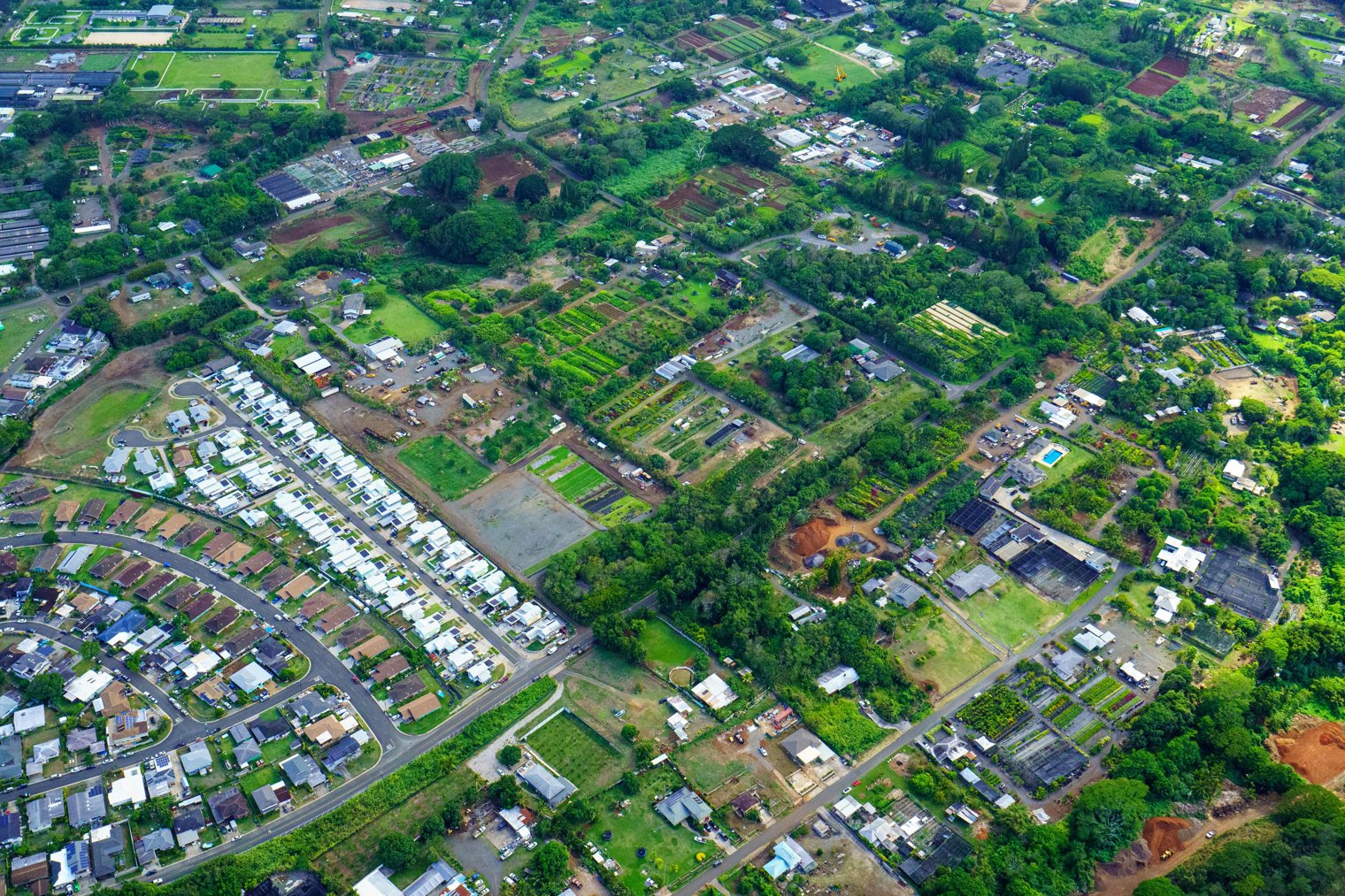
Grow together, thrive together turning empty spaces into vibrant communities.
Starting a community garden brings neighbors together to transform vacant lots into beautiful, productive green spaces. The garden serves not only as a space for growing food but also as a hub for fostering relationships, learning about sustainability, and connecting with nature. This scenario will guide you through every stage of setting up a community garden from initial planning to the first harvest while highlighting the challenges and rewards along the way.
Early Morning (6:00 AM – 8:00 AM): The first brainstorming session. What crops should be grown, and how can you involve the community?
Groundbreaking (10:00 AM – 12:00 PM): The official start of the project. Digging, planting, and organizing the space.
Growth Period (2:00 PM – 4:00 PM): Watching the garden grow, regular care, and tending to the plants.
Harvest Time (5:00 PM – 7:00 PM): The rewarding time of gathering the fruits of your labor, literally and metaphorically.
Garden Events (Weekends): Seasonal gatherings, workshops, or harvest festivals to keep the community engaged.
Overview: An urban renewal project where vacant lots were turned into thriving community gardens.
Landmarks: Detroit Riverwalk, Belle Isle.
Tips: Visit during a volunteer event to experience the power of collective action.
The Edible Schoolyard, Berkeley, CA
Overview: A garden-based learning project that brings children into the garden to grow their own food.
Landmarks: UC Berkeley campus, Tilden Park.
Tips: Great for kids, as it involves local schools in gardening and food education.
The Farm on Adderley, Brooklyn, NY
Overview: A model of sustainable urban farming, turning unused land into a community-run garden and farm stand.
Landmarks: Prospect Park, Brooklyn Museum.
Tips: Volunteer to learn about sustainable farming techniques.
GreenThumb Community Gardens (NYC, NY): A network of community gardens supporting urban agriculture.
The Victory Garden (Los Angeles, CA): A historic garden that teaches gardening skills and promotes healthy eating.
Growing Power (Milwaukee, WI): A non-profit dedicated to urban farming and sustainable agriculture.
Beacon Hill Farm (Seattle, WA): A farm with educational programs for community members on sustainable practices.
Gowanus Canal Conservancy (Brooklyn, NY): A community project focused on environmental justice and urban greening.
The Urban Farm Project (Chicago, IL): Transforming unused city space into productive gardens for local residents.
People's Grocery Garden (Oakland, CA): A community-based food justice initiative providing fresh produce.
South Side Community Garden (Chicago, IL): A neighborhood project that educates residents on growing food.
Farm in the City (Detroit, MI): A large-scale community garden that supplies fresh produce to local food banks.
Urban Roots (Sacramento, CA): A youth empowerment program that uses urban farming as a tool for education.
Rooted in Milwaukee (Milwaukee, WI): A non-profit that empowers communities by growing and selling healthy food.
The Greenhouse Project (Cincinnati, OH): An urban farm that supports job training for marginalized communities.
Edible Park (Los Angeles, CA): An innovative park that integrates food production and recreational space.
Seattles' P-Patch (Seattle, WA): The oldest urban farming project in Seattle, turning vacant lots into gardens.
Agraria Community Garden (Miami, FL): A community space offering gardening workshops for beginners and experts.
Hope Community Garden (Minneapolis, MN): A space for the community to come together, grow food, and create lasting bonds.
Mill Creek Community Garden (Philadelphia, PA): A diverse urban farm that fosters both community development and food security.
Highfield Farm (Gloucester, MA): A hands-on farm that engages local residents in food production and sustainable living.
The 11th Street Bridge Park Garden (Washington, DC): A project that integrates public green space with agriculture.
The Food Project (Boston, MA): A youth-driven initiative that connects young people with agriculture and food justice.
Cultivate KC (Kansas City, MO): Fostering sustainable agriculture and empowering communities to grow their own food.
Kansas City Community Gardens (Kansas City, MO): Growing fresh food for underserved neighborhoods.
The Plant (Chicago, IL): A sustainable urban farm that includes a variety of community gardens.
Eco Urban Gardens (San Francisco, CA): A social enterprise focused on creating sustainable food systems in cities.
Reclaimed Woodlands Garden (Denver, CO): Transforming abandoned city lots into community green spaces.
Sustainability, urban farming, community empowerment, environmental justice, food justice, collective action
1. Amazon: Planting Supplies & Tools
2. Etsy: Handmade Garden Decorations
3. GreenThumb: Community Gardening Resources
4. Google Maps: Finding Community Gardens
5. Pinterest: Garden Design Inspiration
6. Instagram: Share Garden Progress
7. YouTube: Gardening Tutorials
8. Craigslist: Garden Supplies for Sale
9. Home Depot: Gardening Tools and Supplies
10. REI: Outdoor Tools and Gear
11. Etsy: Custom Plant Markers
12. Facebook: Local Gardening Groups
13. Eventbrite: Garden Workshops and Meetups
14. Seed Savers Exchange: Heirloom Seeds
15. Whole Foods: Organic Soil & Fertilizers
16. Walmart: Gardening Equipment
17. PayPal: Donate to Community Gardens
18. Amazon Fresh: Organic Seeds and Soil
19. Meetup: Community Gardening Events
20. GoFundMe: Crowdfunding for Your Garden Project
21. Uber: Transporting Plants and Materials
22. Turo: Renting a Vehicle for Garden Projects
23. Target: Gardening Tools & Accessories
24. Lowe’s: Landscaping Materials
25. Lyft: Transportation to Local Gardening Events
26. HomeAdvisor: Find Professional Gardeners
27. Shipt: Grocery Delivery for Garden Produce
28. Zazzle: Custom Garden Apparel
29. Redbubble: Plant-Themed Stickers and Apparel
30. Squarespace: Build Your Gardening Blog
31. Canva: Design Garden Event Flyers
32. Shopify: Start Selling Garden Products
33. Weebly: Build a Garden Website
34. Teachable: Create Gardening Courses
35. Squarespace: Set Up Your Garden’s Online Store
36. FreshDirect: Healthy Snack Delivery
37. Grubhub: Delivery from Local Farmers Market
38. Postmates: Delivery for Community Garden Fundraisers
39. Zoom: Host Gardening Webinars
40. Fitbit: Track Your Steps While Gardening
41. Google Drive: Share Gardening Documents
42. Amazon: Garden Design Books
43. Meetup: Join Garden-Related Groups
44. Pinterest: Get Gardening Tips
45. Shopify: Set Up Your Garden-Based Online Store
46. QuickBooks: Manage Your Gardening Business Finances
47. Hootsuite: Schedule Posts for Your Gardening Blog
48. Etsy: Vintage Planters
49. Squarespace: Build Your Garden Blog
50. Amazon: Garden Furniture
1. Pinterest: Search for garden design ideas.
2. Google Maps: Locate nearby community gardens.
3. Home Depot: Buy gardening tools and supplies.
4. Etsy: Get custom gardening products like plant markers.
5. Facebook: Join local gardening groups.
6. Instagram: Start posting your gardening progress.
7. Meetup: Find local gardening meetups and events.
8. Eventbrite: Sign up for gardening workshops.
9. Seed Savers Exchange: Order heirloom seeds for your garden.
10. Amazon: Order garden furniture and accessories.
• Gardening Gloves:
• Seeds (Organic or Heirloom):
• Shovel and Spade:
• Watering Can:
• Plant Markers:
• Gardening Soil:
• Fertilizer (Organic):
• Planter Boxes or Raised Beds:
• Garden Hose:
• Trowel:
• Fiskars Pruning Shears
• Miracle-Gro All Purpose Plant Food
• Hozelock Garden Hose Reel
• Greenhouse Kit (Gardener's Supply Co.)
• Rubbermaid Garden Storage Shed
• Weather Dependence: Rain or extreme heat can delay your work.
• Budget: Gardening can get expensive if you don’t plan ahead.
• Time Commitment: Gardening requires consistent effort.
• Pests: Dealing with insects and animals can be frustrating.
• Seasonal Limitations: Not all plants grow year-round.
• Maintenance: Gardens need continuous upkeep.
• Physical Strain: Gardening can be physically demanding.
Plan the garden layout before planting.
Water plants consistently, especially in dry weather.
Stay organized and keep tools in a designated spot.
Learn from others in your community.
Use sustainable gardening practices to conserve resources.
Make time for regular garden visits to keep things growing.
Share produce and ideas with neighbors.
Host a Garden Party (Invite others to see your work).
Donate Produce to Local Food Banks (Give back to the community).
Start a Garden-To-Table Business (Turn your garden into a small business).
Sell Garden Produce at Farmers’ Markets (Monetize your garden).
Expand to a Larger Garden or Farm (Take your gardening to the next level).
Events
You must log in to add an event.
Events for this Scenario
No events found for this scenario yet.
Experiences
Please log in to share your experience.