
It’s not home, but it’s the first place that felt safe in a long time.
The first night in a domestic violence shelter isn’t peaceful it’s surreal. You're safe, but everything's unfamiliar. Your phone’s off. Your belongings are in a trash bag. You share a room with strangers. You don’t sleep much. But you breathe differently. Whether you left in the middle of the night or were dropped off by a caseworker, shelters become sanctuaries where trauma, logistics, and healing meet. Each day is about building a future from scratch with no roadmap, but a door that locks behind you...
Morning Routine (6AM – 9AM): Communal bathroom, chore schedule, packed breakfast.
Case Management Hours (10AM – 3PM): Intake interviews, housing apps, therapy referrals.
Afternoon Reset (3PM – 5PM): Quiet time, naps
Zoom meetings in the corner of the lounge.
Evening Rotation (6PM – 9PM): Family dinner, group check-ins, children’s homework hour.
Late Night Hours (10PM – 1AM): Soft crying, whispered prayers, long journal entries.
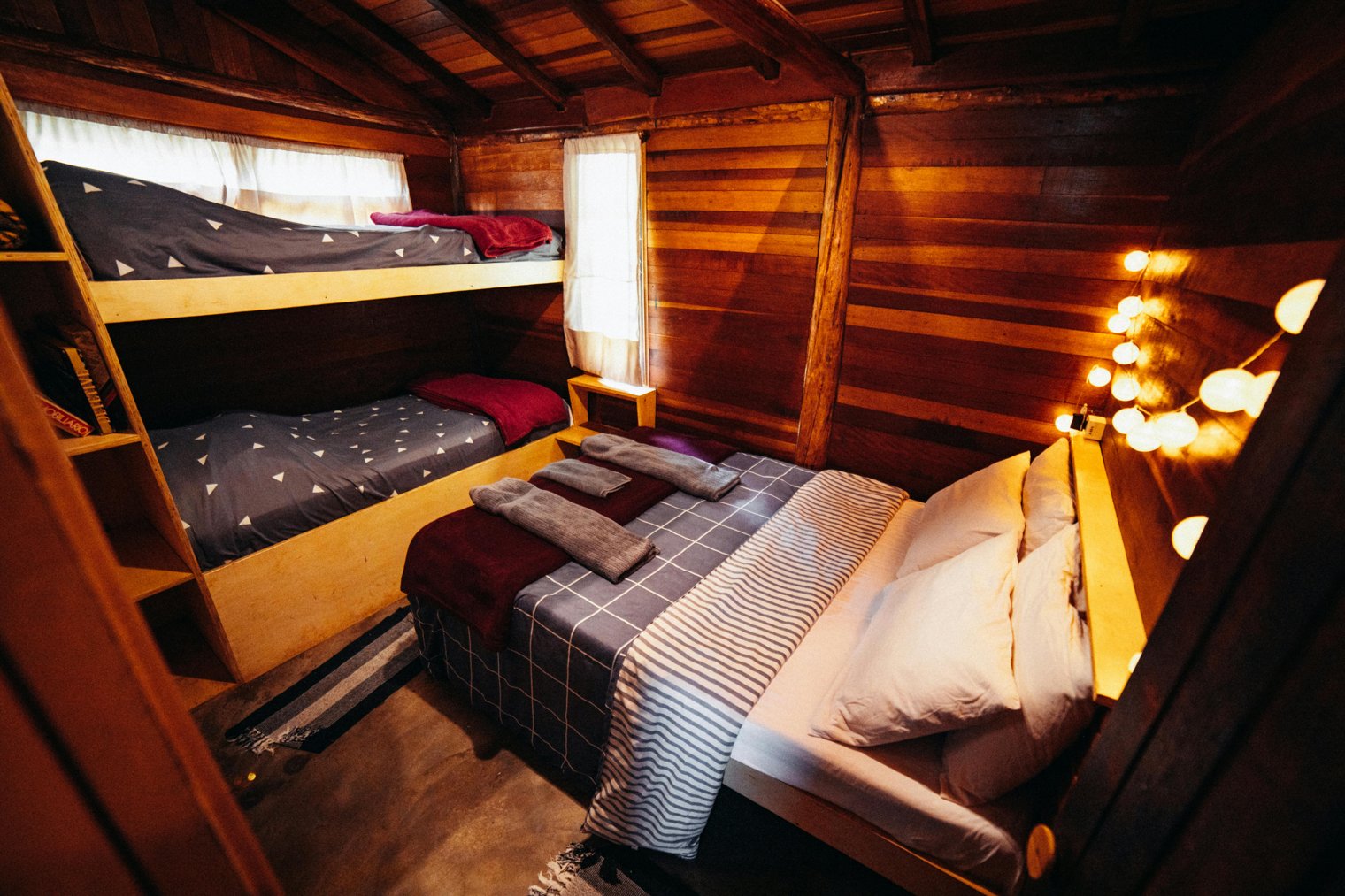
Shared Bedroom
Overview: Often two or more beds, plastic drawers, donated hygiene kits, sound machine if you're lucky.
Landmarks: “No cell phone photos” sign, emergency numbers on corkboard.
Tips: Use a blanket as a curtain if light bothers you—privacy is scarce.
Case Manager’s Office
Overview: Folding chair, box of tissues, stack of housing applications and restraining order packets.
Landmarks: Wall calendar with appointments, overworked staff typing while you talk.
Tips: Be honest—even if it hurts. They’ve heard it all and still care.
Donation Closet
Overview: Limited sizes and supplies, but better than nothing.
Landmarks: Jeans, diapers, bras, flip-flops, gently used backpacks.
Tips: Ask what just came in—timing matters more than inventory lists.
Shared Bedroom: Plastic drawers, twin beds.
Case Manager’s Office: Paperwork and real talk.
Donation Closet: Clothing, hygiene, emergency needs.
Communal Kitchen: Crockpots, assigned shelves, meal sign-up sheet.
Children’s Play Area: Broken crayons, tiny socks, pure chaos.
Front Entrance: Keypad entry, intercom, safety cameras.
Chore Board: Vacuuming, dish rotation, bathroom scrub days.
Therapist's Couch (On-Site or Referral): First place you tell the truth.
Living Room TV: Cartoons at 7PM, news at 10PM.
Laundry Machines: Sign-up sheets, never enough quarters.
Emergency Hotline Room: Desk phone, local resource sheets.
Sheltered Outdoor Space: For walks, phone calls, deep breaths.
Grocery Donation Bin: Bread, canned soups, powdered milk.
Counseling Group Circle: Fold-out chairs, Kleenex box in the middle.
Transportation Board: Bus passes, ride sign-ups, case manager drop-offs.
Resource Wall: Flyers for housing, job fairs, free legal clinics.
Digital Job Search Room: One printer, two desktops.
Free Library Shelf: Romance novels, parenting guides, Bibles.
Hall Mirror: Where self-worth slowly rebuilds.
Mail Drop: Where you hope for ID paperwork or a letter from court.
Kitchen Fridge (Labeled): Yours is the third shelf from the top.
Bathroom Cabinet: Razor shared with caution.
Staff Lounge: Off-limits, but where the magic is planned.
Safety Plan Binder: Customized checklist of what to do if he finds you.
Discharge Planning Room: A folding table, a printed lease, and a second chance.
Survival, courage, secrecy, community, second chances.
1. Lyft: Rides to appointments via vouchers
2. Uber Health: Non-emergency medical transportation
3. Amazon Wishlist: Donated supplies through shelter list
4. Medicaid: Healthcare coverage for children and survivors
5. Legal Aid Society: Protection orders, custody help
6. SNAP/WIC: Food access
7. Google Maps: Find resources, court, clinics
8. Walmart: WIC purchases, essentials
9. Target: Clothing & toiletries with gift card donations
10. Care.com: Emergency child care
11. DoorDash: Meal cards through donations
12. Goodwill: Affordable secondhand options
13. Dollar Tree: Stretchable supplies
14. Change.org: DV awareness petitions and advocacy
15. Canva: Resume building, printable safety plans
16. Gmail: Set up a new email to cut ties safely
17. Google Voice: Temporary number for protection
18. Notion: Private journal, appointment tracker
19. T-Mobile: Prepaid phones for emergencies
20. Paypal/Venmo: Emergency fund transfers from friends/family
1. Walmart: Sweatpants, toothbrush, cheap phone charger.
2. Dollar Tree: Notebook, pens, snacks, locks.
3. Target: Pajamas, slippers, deodorant.
4. Goodwill: Backpack, jacket, kid shoes.
5. Walgreens: Meds, sanitary items, WIC formula.
6. CVS: Soap, over-the-counter meds, baby care.
7. Library: Print court papers, job applications.
8. Amazon (via donation list): Pads, diapers, phone cards.
9. Bus Station: Where escape sometimes starts.
10. Hospital Discharge: Many shelters begin here.
• Prepaid Cell Phone (With minutes, no tracking):
• Copy of ID & Birth Certificates (If you had time to grab them):
• Notebook or Binder (For court papers, lists, job apps):
• Toiletries Bag (Preferably zipped, labeled):
• Basic Change of Clothes (Pants, tee, underwear):
• Snack Stash (Granola bars, instant noodles):
• Bus Pass or Ride Voucher (Appointments stack up):
• Safety Plan Copy (Know your steps in a crisis):
• Private Email Account (No shared passwords):
• Support Contact (Even if it’s only a shelter advocate):
Tracfone Prepaid Phone (Affordable, no contract, can’t be tracked)
Rubbermaid Plastic Drawer Set (Mini dresser when space is tight)
Aquaphor Healing Ointment (Multipurpose lifesaver)
MaxiPads (Rarely donated, always needed)
Composition Notebook (Documentation, journaling, hope)
• Limited Privacy: You’re almost never alone.
• Emotional Overwhelm: Everyone here is carrying something heavy.
• Red Tape: Housing lists, vouchers, court systems are slow.
• Stigma: Judgment even when you’re doing everything right.
• Temporary Rules: 30–90 day limits and curfews.
• Kid Challenges: New environment can trigger behaviors.
• Underfunding: Not enough beds, support, or exit pathways.
• Wake Early: Get bathroom time, reset before the crowd.
• Journal Daily: Track moods, milestones, key events.
• Label Everything: Even shoes, soap, and hairbrushes.
• Use Quiet Time: Read, stretch, organize, think.
• Track Expenses: Even with nothing, plan for more.
• Ask for What You Need: It won’t always be obvious.
• Take Deep Breaths: Sometimes that’s all you can do.
• Apply Early for Housing Vouchers: Waitlists are long.
• Use Every Resource: Counseling, legal help, job prep.
• Build a Digital Toolkit: Email, docs, job apps, reference list.
• Set a Milestone Map: Small wins like ID replacement count.
• Plan the First Week Out: Shelter to sublet is a major leap.
Events
You must log in to add an event.
Events for this Scenario
No events found for this scenario yet.
Experiences
Please log in to share your experience.
Time
Must See Locations:
Moments You Don’t Forget:
The First Shower – Realizing you can lock the door and no one’s going to yell.
The “Go Bag” – A donated duffel holding everything you own at that moment.
The Kids Sleeping Peacefully – No shouting, no footsteps pacing, just breathing.