
Rehab was the detox this is the rebuild.
The transition from rehab to a sober living house isn’t glamorous. You go from the intense structure of treatment to a house full of strangers trying to keep it together one day at a time. There are rules, chores, and drug tests. You learn how to grocery shop without stopping at the liquor aisle, how to talk about your triggers without getting defensive, how to rebuild trust even with yourself. It’s not easy. Some people relapse. Some become lifelong friends. Some just need a safe place to make it t...
Morning Routine (6AM – 9AM): Shower sign-up, coffee brewing, bus to work or outpatient.
Daytime Movement (10AM – 4PM): Work, classes, job interviews, step work.
Evening Return (5PM – 7PM): House check-ins, shared meals, recovery meetings.
Night Wind-Down (8PM – 10PM): Chores, journaling, quiet hangs on the porch.
Lights-Out Stillness (10PM – 6AM): The quietest time—some sleep, some stare at the ceiling.
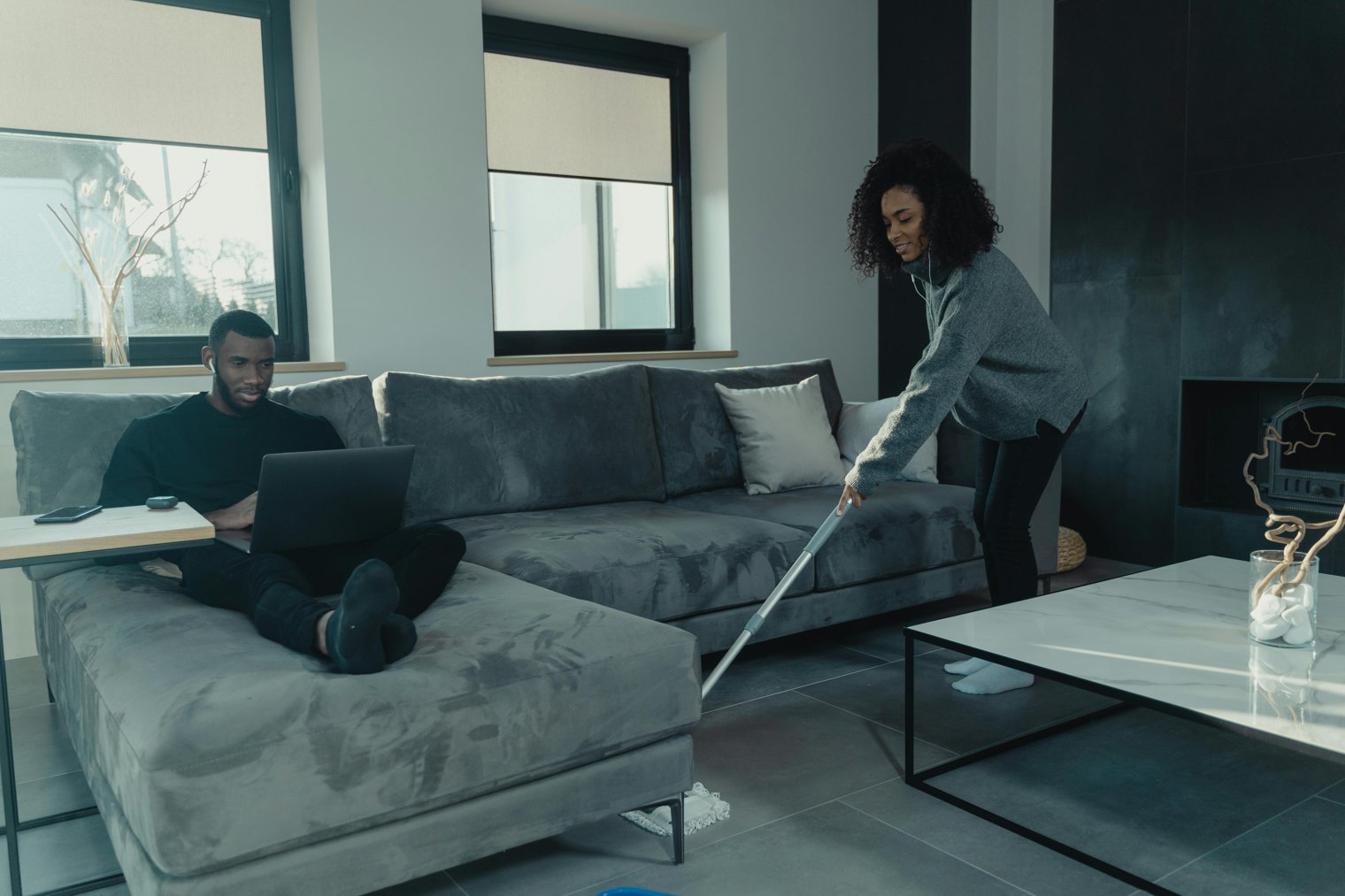
Main Living Room
Overview: Couch with dips in the cushions, a TV that mostly plays recovery talks or YouTube music channels, dry erase board full of weekly schedules.
Landmarks: Meeting sign-up sheet, roommate agreements, AA meeting pamphlets in a basket.
Tips: Respect the couch hierarchy. Don’t take the center spot until you’ve earned it.
Shared Kitchen
Overview: Labeled shelves in the fridge, sticky notes on tupperware, five different brands of instant coffee.
Landmarks: Dish chart taped to the cabinet, stove burner that never lights on the first try.
Tips: Don’t eat what’s not yours. Trust is the currency here.
Backyard Porch
Overview: Folding chairs, ashtray overflowing by noon, guys decompressing after meetings.
Landmarks: One broken chair, a poster about relapse prevention taped to the fence.
Tips: This is where real conversations happen—if you’re open to them.
Main Living Room: Group meetings and downtime.
Shared Kitchen: Food labeled with initials.
Backyard Porch: Evening decompression and smoke breaks.
Shared Bedrooms: Bunk beds, alarms, journals.
Weekly House Meeting: Conflict, laughter, accountability.
Staff Office: Drug test results and quiet interventions.
Local AA/NA Meeting Hall: Folding chairs and coffee in Styrofoam cups.
Job Board Corner: Flyers for dishwashing, landscaping, warehousing.
Transportation Schedule: Bus routes printed and posted.
Counseling Room: One-on-one therapy, if the house offers it.
Bathroom Mirror: Affirmations taped up, water spots everywhere.
Common Computer: Resume editing and Netflix logouts.
Chore List Clipboard: Fight over dishes every week.
Locker or Safe: Where you keep your phone and meds.
Clean Time Tracker: Wall of names and days sober.
Medication Box: Staff-dispensed, timed, and logged.
Grocery List: Shared meals, rotating cooks.
House Phone: No one answers, but it rings at odd times.
Step Work Binder: Under someone’s bed or always in their hands.
Relapse Prevention Poster: Faded but sacred.
Fellowship Carpool List: Ride to church, meetings, or the grocery store.
Recovery Book Shelf: Big Books, Workbooks, Daily Reflections.
Garden Patch: Built on week four, neglected by week twelve.
Fridge Door: Inspirational quote of the week.
Curfew Sheet: Staff initials next to your name.
Discipline, community, emotional exposure, recovery, realignment.
1. Uber: Ride to meetings, work, appointments
2. DoorDash: Group chip-ins for pizza or late-night cravings
3. Walgreens: Prescriptions, vitamins, hygiene products
4. AA/NA Fellowship Apps: Find meetings nearby
5. Amazon: Recovery books, journals, organizers
6. Google Calendar: Meeting times, med reminders
7. Lyft: Backup ride to outpatient or job
8. Spotify: Chill playlists or recovery podcast loops
9. Indeed: Job hunting from the common computer
10. Facebook Marketplace: Buy a cheap bike for work
11. Target: Basic clothes, towels, flip-flops
12. YouTube: Step work breakdowns, daily meditations
13. Reddit: r/stopdrinking, r/OpiatesRecovery
14. Venmo: House dues, group dinner splits
15. CVS: Emergency snacks, sleep aids, toothpaste
16. Instacart: Groceries if no transportation
17. Google Docs: Track personal goals, sobriety plan
18. Calm/Headspace App: Sleep and grounding support
19. Planet Fitness: One of the few outings besides meetings
20. Cash App: Send money home or to pay restitution
1. Walmart: Socks, undershirts, notebooks, shower caddies.
2. Amazon: Alarm clock, journal, 12-step books.
3. CVS: Snacks, toothpaste, cold medicine.
4. Dollar Tree: Laundry detergent, flip flops, basic toiletries.
5. Goodwill: Jeans, hoodies, interview clothes.
6. Target: Towels, deodorant, razor blades.
7. Walgreens: Prescriptions, Epsom salt, vitamins.
8. Local Thrift Store: Secondhand duffel bags.
9. Public Library: Print resumes, look for jobs, free Wi-Fi.
10. Best Buy: Budget phone charger or headphones.
• Hygiene Kit (Soap, shampoo, deodorant, toothbrush):
• Journal or Notebook (Track feelings, goals, sobriety):
• AA/NA Book (Most houses expect it):
• Alarm Clock (Phone isn’t always allowed):
• Personal Towel & Bedding (Required in most houses):
• Lock Box or Safe Bag (Keep valuables and meds secure):
• Laundry Bag (Shared washers = chaos without one):
• Recovery Contact List (Sponsor, housemates, safe numbers):
• Comfortable Walking Shoes (For job searches and bus routes):
• Reusable Water Bottle (Stay hydrated, stay focused):
Big Book of Alcoholics Anonymous (Always close by)
Dollar Tree Composition Book (Low-cost, high impact)
Casio Alarm Clock (Reliable, affordable, required)
Gain Laundry Pods (Often shared, always needed)
“Just for Today” Bookmark (Daily North Star)
• Noise: Shared rooms mean shared everything.
• Drama: Not everyone’s ready to change.
• Curfews: Break them once, and you’re out.
• Relapse: It’s part of the house sometimes.
• Privacy: Basically non-existent.
• Stigma: You learn who your real people are.
• Exits: Some leave too soon, and it hits hard.
• Wake Early: Bathroom line and peace before the noise.
• Make Your Bed: Small control in a shared space.
• Check In With Yourself: Daily inventory matters.
• Do Your Chores: Earn your keep, keep your word.
• Call Your Sponsor: Even if you feel “fine.”
• Avoid Cliques: House unity beats high school vibes.
• Go to the Meetings: Especially when you don’t want to.
• Line Up Transitional Housing: Don’t wait until week 10.
• Save a Little Weekly: Even $5 matters.
• Ask About Scholarships: Sober programs sometimes fund next steps.
• Network: Jobs, housing, support all start with talking.
• Write a Plan: Where you’ll go, who’ll support you, what you’ve learned.
Events
You must log in to add an event.
Events for this Scenario
No events found for this scenario yet.
Experiences
Please log in to share your experience.
Time
Must See Locations:
Moments That Stick:
The First Night – Lying awake in a strange bed wondering if you can really do this.
The 30-Day Chip – It’s just plastic, but it means everything.
The Failed Drug Test – Not yours, but someone’s. It shakes the whole house.