
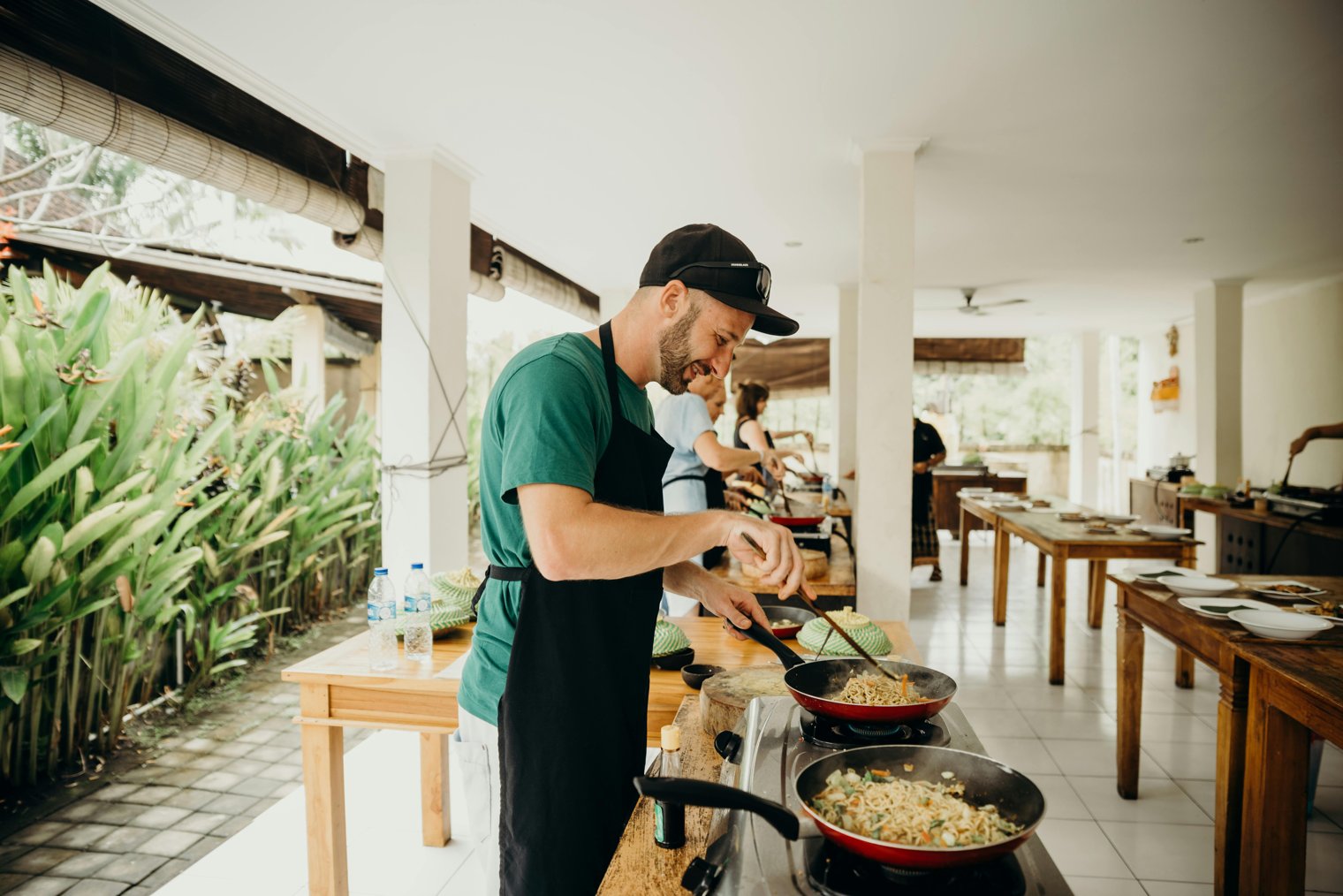
Taste the world, learn the flavors, and bring home authentic recipes from your travels.
Taking a cooking class abroad is a perfect way to immerse yourself in a new culture and learn the culinary traditions of a country. Whether you're in Italy perfecting pasta, Thailand making curries, or Mexico preparing authentic tacos, the experience offers a hands-on opportunity to connect with local traditions. This scenario helps you navigate finding the best cooking classes, preparing for your culinary adventure, and making the most of your food experience abroad.
Summer Classes (June – August): The best time to travel with warmer weather and longer days.
Fall Flavors (September – November): Ideal for learning to cook seasonal dishes in different regions.
Winter Warmth (December – February): A cozy time to learn hearty dishes like stews and soups.
Spring Ingredients (March – May): The season for light, fresh meals with local produce.
Year-Round Classes – Available in various countries and regions, always a great time to learn.
Barcelona, Spain: A hub for Spanish tapas, seafood, and paella.
Paris, France: Perfect for learning French pastry techniques and sauces.
Kyoto, Japan: Known for its traditional Japanese kaiseki and sushi making.
Marrakesh, Morocco: Dive into Moroccan spices and tagine cooking.
New Orleans, USA: Known for Creole and Cajun cuisine, including gumbo and jambalaya.
Buenos Aires, Argentina: Master the art of making Argentine steaks and empanadas.
Istanbul, Turkey: A perfect place to learn about Turkish meze and baklava.
Rome, Italy: Learn to cook classic Italian dishes like pizza and pasta from scratch.
Mexico City, Mexico: A great destination for learning tacos, salsas, and traditional Mexican dishes.
Hanoi, Vietnam: Famous for its pho and Vietnamese street food.
Athens, Greece: Greek specialties like moussaka, tzatziki, and souvlaki.
Dubrovnik, Croatia: Known for fresh seafood and Mediterranean dishes.
Lima, Peru: Perfect for cooking ceviche and traditional Peruvian dishes.
Tel Aviv, Israel: Explore Middle Eastern flavors with dishes like falafel and hummus.
Sydney, Australia: Learn Australian bush food and seafood dishes.
Lisbon, Portugal: Known for Portuguese seafood and pastéis de nata.
Copenhagen, Denmark: Learn Danish open-faced sandwiches (smørrebrød) and pastry.
San Sebastian, Spain: Known for its Michelin star restaurants and tapas bars.
Mexico City, Mexico: Learn the art of making tacos al pastor and fresh salsas.
Miami, Florida: Known for its Latin American food culture.
Cape Town, South Africa: Learn to cook South African barbecue and stews.
Sydney, Australia: Learn Australian bush food and coastal seafood dishes.
London, UK: A melting pot of international flavors, from Indian curries to Caribbean jerk chicken.
Chicago, USA: Known for deep-dish pizza and modern American cooking.
Napa Valley, California: Perfect for wine pairing classes with meals.
Culinary exploration, cultural immersion, hands-on learning, global flavors, travel.
1. Airbnb Experiences: Book Cooking Classes Abroad
2. Viator: Cooking Classes and Tours
3. EatWith: Book Private Dining and Cooking Classes
4. Amazon: Kitchen Tools and Ingredients for Cooking Abroad
5. YouTube: Cooking Tutorials from World Chefs
6. Google Maps: Navigate to Cooking Schools
7. Tripadvisor: Cooking Class Reviews
8. Instagram: Follow World-Famous Chefs and Food Bloggers
9. Grubhub: Festival Food Delivery
10. MasterClass: Cooking Classes from Famous Chefs
11. Blue Apron: Learn to Cook Global Recipes
12. Skillshare: Online Cooking Classes
13. Meetup: Cooking Social Events
14. TaskRabbit: Hire Someone to Help With Cooking Prep
15. Shopify: E-commerce for Selling Plants
16. Gardenista: Garden Design and Inspiration
17. FreshDirect: Fresh Produce for Cooking Classes
18. Airbnb Experiences: Culinary and Cultural Experiences
19. Garden City Seeds: Seeds for Home Cooking
20. Whole Foods: Fresh Produce for Cooking
21. Apple: Technology for Cooking Apps
22. Aerogarden: Indoor Gardening Kits
23. Greenhouse Megastore: Greenhouses for Home Gardening
24. Simply Garden: Organic Garden Products
25. Bunnings: Australia’s Largest Garden Store
26. Gardena: Garden Tools and Equipment
27. Click and Grow: Smart Gardens for Indoor Plants
28. Trees.com: Tree Care and Planting Guides
29. Forever Green: Landscaping Plants
30. Bonsai Boy: Bonsai Trees and Care Tips
31. The Greenhouse: Online Gardening Store
32. Pro Plant Care: Plant Care Services
33. Greenhouse Guru: Greenhouse Building Services
34. Earthwise: Eco-friendly Gardening Tools
35. Better Homes & Gardens: Gardening Tips and Ideas
36. Gardener’s Journal: Track Garden Growth
37. Black Gold: Organic Soil Products
38. Bonnie Plants: Vegetable & Herb Plants
39. P. Allen Smith: Garden Design and Tips
40. Gilmour: Watering Equipment
41. Wilko: Home & Garden Tools
42. MightyNest: Sustainable Gardening Gear
43. Greenhouse Solutions: Greenhouses and Outdoor Equipment
44. RSPB: Wildlife Gardening Tips
45. Peaceful Valley: Organic Farming Products
46. Seed Savers Exchange: Organic Seeds
47. National Gardening Association: Gardening Resources
48. Miracle-Gro: Plant Food and Fertilizers
49. Lowe’s Garden Center: Garden Center for Plants & Tools
50. Seed Bank: Vegetable and Flower Seeds
1. Viator: Book cooking tours and classes abroad.
2. MasterClass: Take online cooking classes from world-renowned chefs.
3. Sur La Table: Equip yourself with the best kitchen tools for cooking.
4. Whole Foods: Find fresh ingredients for your international dishes.
5. Food52: Browse international recipes and ingredients.
6. Amazon: Purchase books and tools to cook like a professional.
7. Grubhub: Order international food before your class.
8. YouTube: Watch cooking tutorials to get the best tips.
9. MasterClass: Learn from world-class chefs before your class.
10. Whole Foods: Buy organic ingredients for your dishes.
• Recipe Book or Class Material:
• Cooking Tools (Knife, Pots, Pans, etc.):
• Comfortable Clothing for Cooking:
• Ingredients (Fresh and Local):
• Camera to Capture the Experience:
• Notebook to Take Notes:
• Energy for Hands-on Cooking:
• Willingness to Try New Foods:
• Travel Essentials (Documents, Currency):
• Passion for Learning New Cuisines:
• Le Creuset Cookware (For durable and high-quality cooking)
• Ooni Pizza Oven (For cooking perfect pizzas)
• Cuisinart Food Processor (For quick and easy chopping)
• GoPro Hero 9 (For capturing your culinary moments)
• Expensive: Some cooking classes abroad can be costly.
• Language Barriers: Communication may be difficult in certain regions.
• Time Constraints: You may not have enough time to explore the local food scene after the class.
• Limited Ingredients: Some ingredients may not be available abroad.
• Overwhelming Choices: The amount of new information can be daunting.
• Physical Exhaustion: Cooking for hours in a hot kitchen can be tiring.
• Risk of Not Enjoying the Cuisine: It might not be to your taste.
• Be Open to New Flavors: Don’t be afraid to try new ingredients and techniques.
• Ask Questions: Make sure to learn from your instructor and peers.
• Take Breaks: Cooking for hours can be tiring, so rest when needed.
• Keep Notes: Document the recipes and techniques learned.
• Stay Organized: Make sure you have all the tools and ingredients before starting.
• Taste as You Go: Ensure the dish is on point by tasting throughout the process.
• Experiment After Class: Use the recipes and techniques to create your own dishes at home.
• Thank the Chef: Show appreciation for the class and the knowledge gained.
• Share Your Experience: Post about the class on social media to inspire others.
• Visit Local Markets: Explore nearby markets for ingredients and ideas.
• Bring Home a Recipe Book: Take home local recipes to practice your skills.
• Take Home Leftovers: Don’t forget to pack any leftover food for later enjoyment.
Events
You must log in to add an event.
Events for this Scenario
No events found for this scenario yet.
Experiences
Please log in to share your experience.