
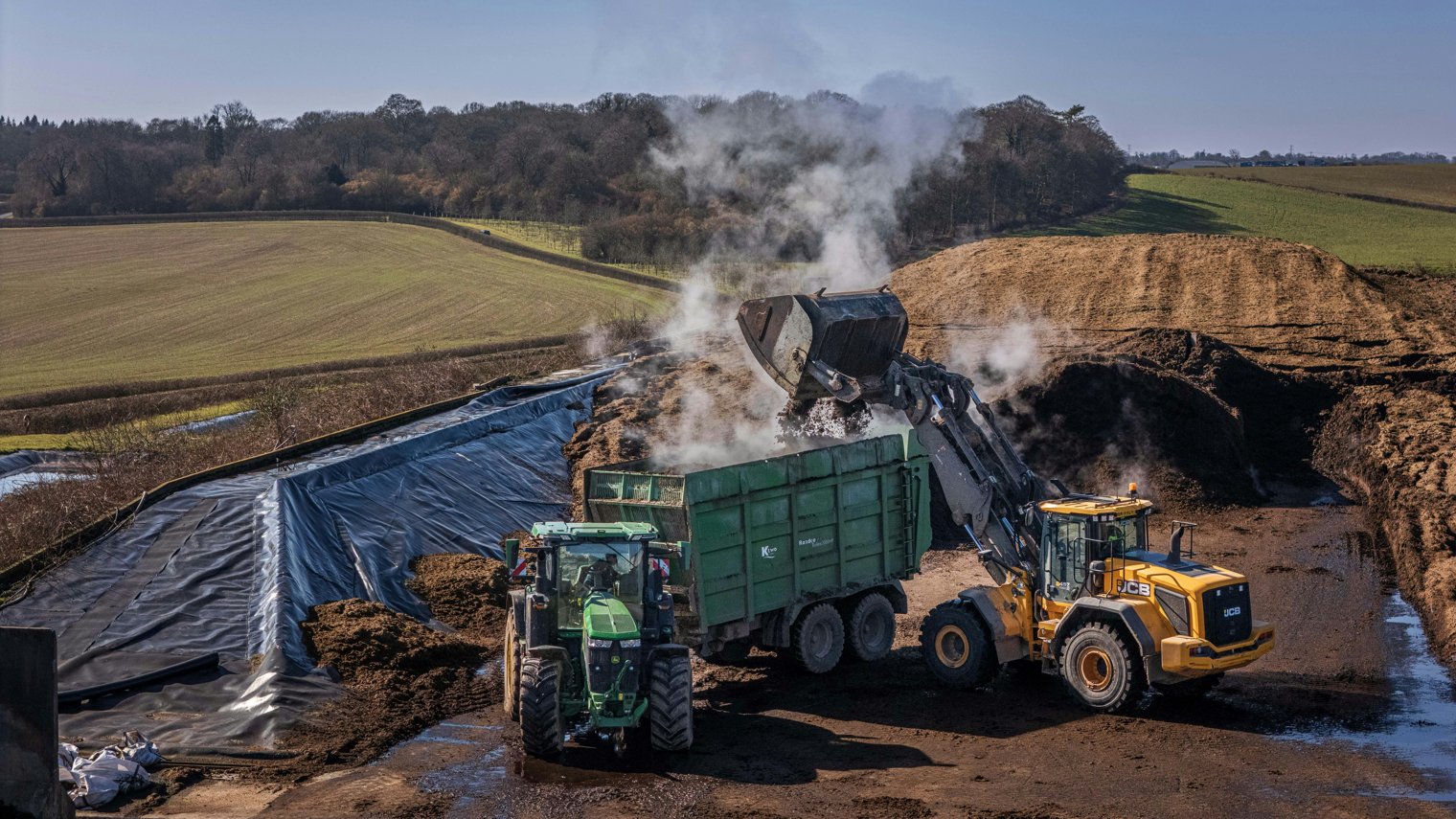
The unmistakable scent of nature’s recycling in action.
The smell of a compost bin is a sign of natural decomposition organic waste being broken down into nutrient-rich material that will eventually nourish your garden. It’s a scent that many gardeners are familiar with, and while it can be strong at times, it’s part of the process of sustainable waste management. This scenario reflects the experience of handling your compost bin, managing the smell, and understanding the importance of composting.
9:00 AM: You walk into your backyard to check on the compost bin, preparing to add your kitchen scraps.
9:05 AM: As you open the compost bin, the smell hits you—earthy and strong, but familiar.
9:10 AM: You add some vegetable peels and coffee grounds, adjusting the layers of greens and browns to manage the odor.
9:15 AM: The compost bin lid is closed, and you notice the smell has subsided, but the rich scent lingers in the air.
9:30 AM: You make a mental note to turn the compost soon, helping speed up the breakdown process and maintain balance.
Home Depot (Various Locations) - A large home improvement store where you can find compost bins and other composting supplies.
Landmarks: Gardening section, compost bin selection, helpful staff.
Tips: Look for compost bins with odor control features to minimize the smell in your yard or kitchen.
Lowe's (Various Locations) - Another home improvement retailer with composting bins, organic soil, and compost additives.
Landmarks: Outdoor garden section, compost bins, fertilizers.
Tips: Ask staff for recommendations on the best compost bins for odor control if you live in a small space.
Ace Hardware (Various Locations) - A neighborhood hardware store where you can find composting supplies for both beginners and experienced gardeners.
Landmarks: Gardening section, composting accessories.
Tips: Consider purchasing composting additives like accelerators to speed up the breakdown process and reduce odor.
Home Depot (Various Locations)
Lowe’s (Various Locations)
Ace Hardware (Various Locations)
Walmart (Various Locations)
Menards (Various Locations)
Amazon (Online Store)
Costco (Various Locations)
The Home Depot (Los Angeles, CA)
Lowe’s Home Improvement (Chicago, IL)
Ace Hardware (Houston, TX)
Menards (Indianapolis, IN)
Walmart Supercenter (San Diego, CA)
Amazon Fresh (Services/Services)
Target (Various Locations)
The Home Depot (San Francisco, CA)
Lowe’s Home Improvement (New York, NY)
Walmart (Phoenix, AZ)
True Value Hardware (Dallas, TX)
The Home Depot (San Diego, CA)
Lowe’s (Seattle, WA)
Ace Hardware (Los Angeles, CA)
The Home Depot (Austin, TX)
Walmart (Portland, OR)
Amazon Fresh (Services/Services)
Costco Wholesale (Various Locations)
Sustainability, Gardening, Waste Management, Eco-Friendly, Responsibility
1. Amazon: Online Retailer
2. Lowe’s: Home Improvement
3. Home Depot: Retailer
4. Ace Hardware: Retailer
5. Menards: Retailer
6. Walmart: Retailer
7. Amazon Fresh: Services/Services
8. Wayfair: Retailer
9. The Home Depot: Retailer
10. True Value Hardware: Retailer
11. Walmart Online Store: Services/Services
12. Lowe’s Pro Services: Services/Services
13. Zoro Tools: Online Store
14. Harbor Freight Tools: Retailer
15. Target: Retailer
16. eBay: Online Auction Platform
17. Lowe’s Delivery Service: Services/Services
18. Fiskars: Garden Tools
19. DeWalt: Tools
20. Ryobi: Tools
21. Black & Decker: Products/Services
22. Kobalt: Tools
23. Makita: Tools
24. Bosch: Products/Services
25. Green Guru Compost Bin: Products/Services
26. Miracle-Gro: Products/Services
27. Yard Butler: Products/Services
1. Amazon: Order compost bins and accessories online for convenient delivery.
2. Lowe’s: Pick up a high-quality compost bin and composting starter kit.
3. Home Depot: Visit the garden center for various composting options and tools.
4. Walmart: Grab a budget-friendly compost bin and composting starter kit.
5. Ace Hardware: Buy organic composting additives and containers for your backyard project.
6. Menards: Stock up on composting essentials, such as bins, composting soil, and tools.
7. Amazon Fresh: Get fresh, organic vegetables to compost and reduce food waste.
8. Wayfair: Look for outdoor storage options to store your composting materials.
9. Zoro Tools: Buy composting tools like aerators or compost turners.
10. Amazon Fresh: Purchase fresh fruit and vegetable scraps for your compost.
• Compost Bin (To hold and break down organic waste):
• Kitchen Scraps (Fruit, vegetable peelings, coffee grounds):
• Yard Waste (Leaves, grass clippings, twigs):
• Garden Tools (To aerate and manage the compost):
• Watering Can (For maintaining the right moisture level in the compost):
• Thermometer (To monitor the temperature of the compost):
• Shovel or Pitchfork (To turn the compost and keep it aerated):
• Newspaper or Cardboard (To balance out the moisture and add browns):
• Gloves (To protect your hands while handling compost):
• Outdoor Space (A shaded, accessible spot for your compost bin):
• Tumbleweed Composting Bin
• Miracle-Gro Compost
• Yard Butler Compost Turner
• Green Guru Compost Bin
• Fiskars Garden Tools
• Odor: If the compost pile isn’t balanced properly, it can start to smell.
• Slow Decomposition: If the compost pile isn’t turned or maintained, it can take longer to decompose.
• Pests: Improperly maintained compost can attract rodents or insects.
• Too Wet or Too Dry: Maintaining the right moisture balance is crucial for successful composting.
• Hard to Start: It can be challenging to know how to start the process and what materials to include.
• Space: Some people may not have enough space in their backyard for a compost bin.
• Maintenance: Regular turning and monitoring are needed to keep the compost pile active.
• Regularly turning the compost: Ensuring it stays aerated and decomposes quickly.
• Adding the right balance of greens and browns: Maintaining the correct ratio of materials in the compost bin.
• Checking moisture levels: Making sure the compost stays moist but not soaking wet.
• Adding kitchen scraps: Regularly contributing food scraps to the compost bin.
• Harvesting compost: Collecting the finished compost for use in the garden.
• Recycling yard waste: Using organic yard clippings for composting.
• Monitoring temperature: Keeping track of the internal temperature to ensure proper decomposition.
• Harvest the compost: Use the finished compost in your garden to enrich your soil.
• Store the compost: If you’re not ready to use the compost, store it in bags for later use.
• Start a new batch: Begin a new composting cycle to continue reducing waste.
• Share compost: Offer your compost to neighbors or community gardens for shared use.
• Reevaluate the system: If composting isn’t working, try troubleshooting or reconsidering your setup.
Events
You must log in to add an event.
Events for this Scenario
No events found for this scenario yet.
Experiences
Please log in to share your experience.