
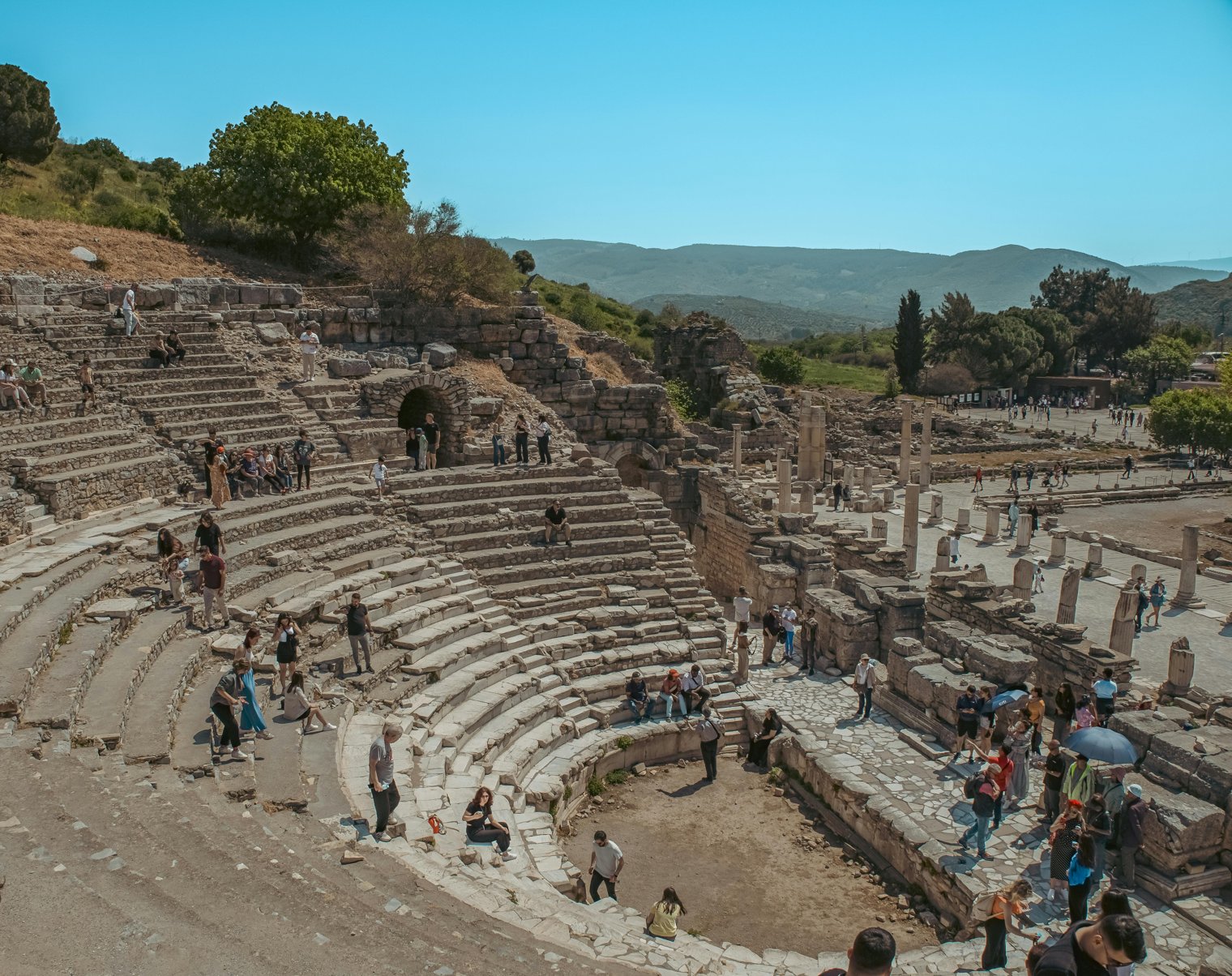
Step back in time and uncover the stories of the past at your local historical landmark.
Touring a nearby historical site is an opportunity to connect with the past, whether you're visiting a local museum, a preserved battlefield, or an ancient settlement. This scenario allows you to experience firsthand the sites where history was made, and to learn more about the individuals, events, and cultures that shaped the area. Whether solo or with a group, visiting these sites provides insight into the story of the place you live or are visiting.
10:00 AM: You arrive at the historical site, greeted by the entrance gates and a sign detailing the site’s history.
10:15 AM: After purchasing your ticket, you begin exploring the main exhibit, reading informative plaques and taking in the historic architecture.
10:30 AM: You take a guided tour with an expert historian, who provides fascinating insights into the site's past.
11:00 AM: After the tour, you sit on a nearby bench, enjoying the peaceful surroundings while reflecting on the history you've just learned.
11:30 AM: You purchase a souvenir from the gift shop to remember your visit and leave the site, feeling enriched by the experience.
Independence Hall (Philadelphia, PA) - Overview: The birthplace of the United States, where the Declaration of Independence and U.S. Constitution were debated and adopted. Landmarks: The iconic bell tower, the Assembly Room, and the Liberty Bell. Tips: Visit early to avoid crowds, and consider a guided tour to get the most from your experience.
Mount Vernon (Mount Vernon, VA) - Overview: The historic estate of George Washington, preserved as a museum and living history site. Landmarks: Washington's home, gardens, and the tomb of George and Martha Washington. Tips: Plan to spend several hours exploring the grounds, including the museum and the beautiful views of the Potomac River.
The Alamo (San Antonio, TX) - Overview: The site of the 1836 battle for Texas independence, now a museum that draws millions of visitors annually. Landmarks: The chapel, the Alamo Cenotaph, and the long barracks. Tips: Arrive early to avoid the midday heat and make sure to explore the museum exhibits inside.
The National WWII Museum (New Orleans, LA): A must-visit for history buffs, this museum offers interactive exhibits about World War II.
Monticello (Charlottesville, VA): The historic home of Thomas Jefferson, offering tours of the house, gardens, and grounds.
Gettysburg National Military Park (Gettysburg, PA): The site of the Battle of Gettysburg, with preserved battlefields and monuments.
Colonial Williamsburg (Williamsburg, VA): A living history museum where visitors can experience life in 18th-century America.
Ellis Island (New York, NY): The historic site of the U.S. Immigration Station, now a museum dedicated to the immigrant experience.
The Smithsonian National Museum of American History (Washington, D.C.): A museum showcasing the history of the United States with extensive exhibits.
Shenandoah National Park (Luray, VA): Explore natural history alongside the historic Skyline Drive, offering panoramic views of the Blue Ridge Mountains.
Pompeii (Naples, Italy): The ancient Roman city frozen in time after the eruption of Mount Vesuvius, offering an archaeological site like no other.
The Roman Forum (Rome, Italy): The heart of ancient Rome, with ruins of temples, markets, and government buildings to explore.
The Great Wall of China (Beijing, China): A vast and iconic series of walls stretching across China, with sections available for public tours.
Stonehenge (Wiltshire, England): The prehistoric monument that continues to fascinate visitors with its ancient stone structures.
The Louvre (Paris, France): A historic museum housing thousands of works of art, including the famous Mona Lisa.
Acropolis of Athens (Athens, Greece): The ancient citadel featuring classical Greek ruins, including the Parthenon.
Machu Picchu (Cusco Region, Peru): A 15th-century Inca citadel set high in the Andes Mountains, offering breathtaking views and ancient history.
Chichen Itza (Yucatán, Mexico): The ancient Mayan city, known for the massive pyramid of El Castillo.
Alhambra (Granada, Spain): A palace and fortress complex, famous for its stunning Islamic architecture.
Versailles Palace (Versailles, France): The opulent former royal residence, surrounded by formal gardens and fountains.
Mount Rushmore (Keystone, SD): The iconic monument featuring the carved faces of four U.S. presidents.
Hoover Dam (Boulder City, NV): A massive concrete dam on the Colorado River, showcasing engineering ingenuity.
Grand Canyon National Park (Grand Canyon Village, AZ): One of the most famous natural landmarks in the world, offering breathtaking views and historic trails.
Yosemite National Park (Yosemite Village, CA): Known for its waterfalls, giant sequoias, and stunning granite cliffs.
The Tower of London (London, UK): A historic castle and former royal residence, home to the Crown Jewels.
The Pyramids of Giza (Giza, Egypt): The ancient pyramids and Great Sphinx, offering a glimpse into the wonders of the ancient Egyptian civilization.
Auschwitz-Birkenau Memorial and Museum (Oświęcim, Poland): A museum and former concentration camp that preserves the history of the Holocaust.
Niagara Falls (Niagara Falls, NY): The famous waterfalls that straddle the U.S.-Canada border, offering both scenic views and a historic context.
The Forbidden City (Beijing, China): The former palace of Chinese emperors, now a museum showcasing Chinese history and culture.
Sydney Opera House (Sydney, Australia): An iconic piece of modern architecture and a symbol of Australian culture.
The Colosseum (Rome, Italy): An ancient amphitheater and a symbol of the grandeur of the Roman Empire.
Auschwitz-Birkenau (Oświęcim, Poland): A place to reflect on history and pay tribute to those affected by the Holocaust.
History, Education, Cultural Preservation, Travel, Reflection
1. Expedia: Travel and tour booking
2. TripAdvisor: Reviews and travel tips
3. National Park Service: U.S. park management
4. Viator: Tours and experiences
5. Airbnb: Accommodation for travelers
6. Smithsonian: Museum experiences
7. Google Maps: Navigation for historical sites
8. Audible: Audiobooks for history tours
9. Hertz: Car rental for touring
10. Lonely Planet: Travel guide
11. GetYourGuide: Booking tours
12. Segway Tours: Historical city tours
13. Enterprise: Car rentals for historical tours
14. The History Channel: Media content about history
15. National Geographic: Cultural and historical exploration
16. GoPro: Action cameras for documenting visits
17. REI: Outdoor gear for historical site tours
18. Budget: Car rental for affordable travel
19. Discover: Credit card with travel rewards
20. T-Mobile: Mobile plan for travel
21. Delta Airlines: Flight booking for history trips
22. Marriott Hotels: Accommodation for tours
23. Booking.com: Hotel reservations
24. Eventbrite: Ticketing for special historical events
25. Go Ahead Tours: Guided historical tours
26. AirBnB Experiences: Book experiences related to history
27. Kayak: Flight and hotel bookings
28. Audley Travel: Tailor-made history trips
29. Globus: Guided historical tours
30. Panera Bread: Lunch options for sightseeing
31. Whole Foods Market: Organic snacks for travel
32. Starbucks: Café stop during tours
33. Uber: Transport to and from historical sites
34. Lyft: Ridesharing service
35. GoPro: Camera equipment for tour recording
36. Rick Steves’ Europe: Travel guides
37. Atlas Obscura: Discover unusual historical places
38. Eurail: European rail travel
39. National Geographic Expeditions: Tour and learning experiences
40. OpenTable: Dining reservations after historical tours
41. Amtrak: Train travel for historical site visits
42. The Ritz-Carlton: Luxury stay during historical tours
43. The Grove: Outdoor shopping and dining
44. The Hermitage Museum: Museum tours in St. Petersburg
45. Live Nation: Tickets for historical site events
46. Cape Cod National Seashore: Historical site and tours
1. Viator (Book guided tours)
2. TripAdvisor (Check reviews of historical sites)
3. National Park Service (Plan trips to national historical sites)
4. Google Maps (Navigation for historical site tours)
5. Airbnb (Find nearby accommodations)
6. Expedia (Book historical trips)
7. Hertz (Rent a car for convenience)
8. T-Mobile (Buy a local SIM card for traveling)
9. Audible (Listen to historical audiobooks)
10. Booking.com (Reserve accommodations near historical sites)
• Comfortable Walking Shoes:
• Water Bottle:
• Camera or Smartphone:
• Tour Ticket or Booking:
• Travel Guide or Map:
• Sunglasses:
• Sunscreen:
• Snacks:
• Notepad for Notes:
• Weather-Appropriate Clothing:
• GoPro (Action camera)
• T-Mobile (Travel phone plan)
• National Geographic (Books and documentaries)
• Rick Steves (Travel guides)
• Nikon (Photography equipment)
Long Lines at Popular Sites
Unpredictable Weather
Difficulty Finding Parking
Limited Time for In-Depth Exploration
Expensive Entry Fees
Overcrowding at Major Landmarks
Travel Fatigue
Limited Accessibility for Disabled Visitors
Potential for Tour Cancellations
Reading up on history before visiting
Carrying a travel journal for notes
Arriving early to avoid crowds
Taking lots of photos
Visiting souvenir shops after tours
Using mobile apps for navigation
Joining guided tours for deeper knowledge
Reflect on the tour and share with friends
Visit the souvenir shop for a keepsake
Grab a meal at a local restaurant
Leave a review for the historical site or tour
Plan the next historical tour based on what you learned
Events
You must log in to add an event.
Events for this Scenario
No events found for this scenario yet.
Experiences
Please log in to share your experience.