Curating your social media feed to protect your peace of mind.
Unfollowing accounts that make you feel bad is a crucial part of protecting your mental health in the digital age. Social media has a way of amplifying emotions, and when you’re constantly exposed to content that causes stress, jealousy, or sadness, it can take a toll on your well-being. This scenario is about taking control of your online space, unfollowing accounts that negatively impact you, and filling your feed with content that supports your mental health and personal values.
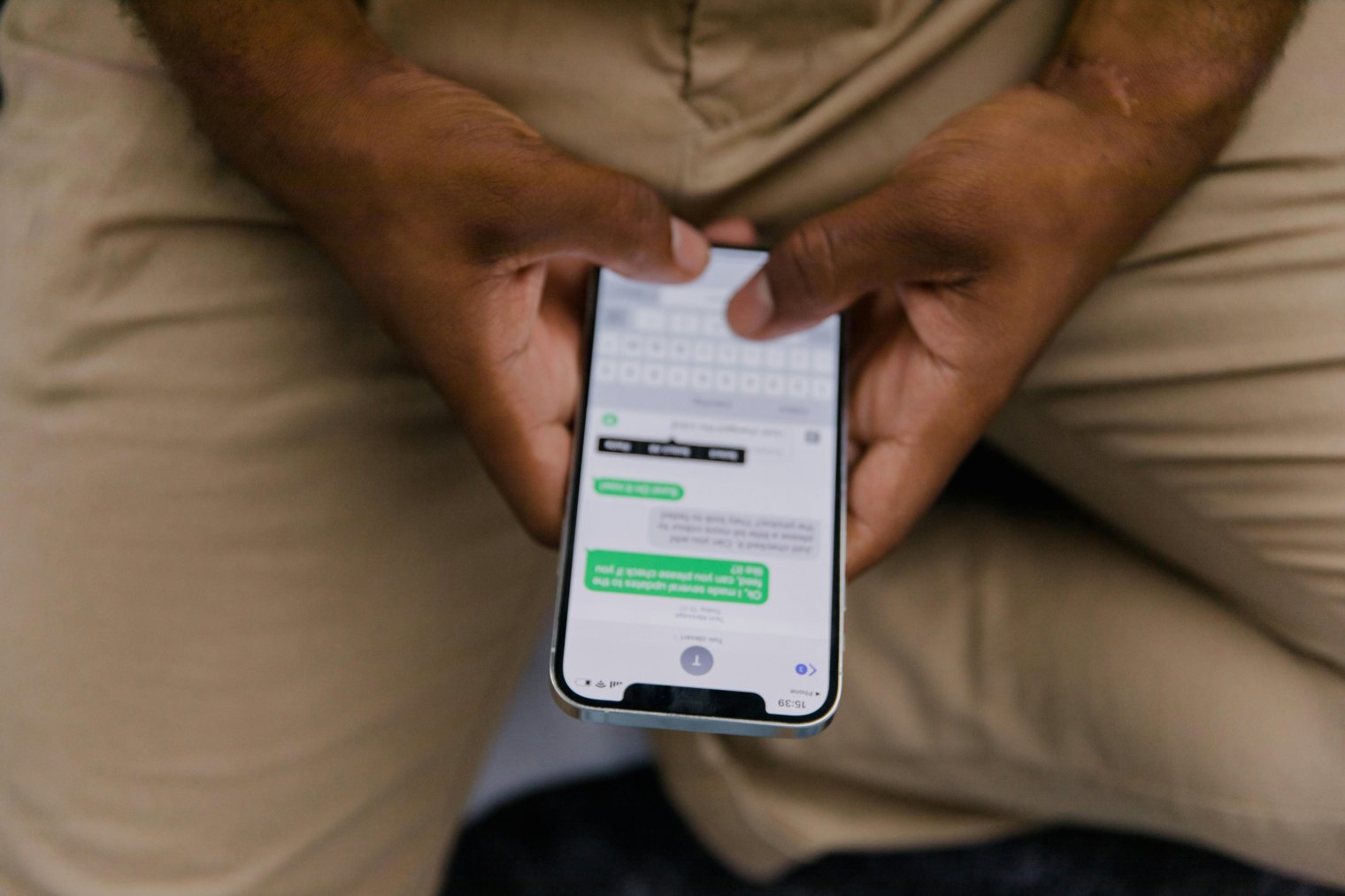
8:00 AM: You wake up and check your phone. As you scroll through Instagram, you come across a post from someone you follow that stirs up negative feelings. You quickly unfollow them, feeling empowered by the decision to remove a source of discomfort.
12:00 PM: During lunch, you’re scrolling through Twitter. A tweet from a person you’ve been following for a while makes you feel triggered. You decide to unfollow them and take a moment to reflect on how much better your feed will feel without that negativity.
3:00 PM: You’re working on a project, but a notification pops up from a Facebook friend who posts content that often leaves you feeling down. You unfollow their posts, gaining control over your social media interactions without confrontation.
6:00 PM: After a long day, you sit down with your phone again. You notice a YouTube creator who regularly posts content that doesn’t align with your values. You hit the "Unsubscribe" button, allowing yourself a break from content that doesn’t serve your peace of mind.
8:00 PM: Before bed, you review your social media accounts. You unfollow a few more people whose posts leave you feeling inadequate or angry. You smile, feeling a sense of control as you refresh your feed with positivity.
The Social Media Platform - Instagram (https://www.instagram.com)
Overview: A photo and video-sharing platform where you follow friends, influencers, and businesses. Your feed is a constant reflection of the people you follow.
Landmarks: Stories, posts, and highlights that fill your daily scroll.
Tips: If an account consistently posts content that leaves you feeling bad about yourself or your life, it's time to unfollow. Curate your feed to include content that empowers you.
The Microblogging Platform - Twitter (https://www.twitter.com)
Overview: A platform for real-time opinions, news, and discussions. The fast-paced nature can sometimes lead to divisive or heated posts.
Landmarks: Tweets, retweets, trending topics, and hashtags.
Tips: Unfollow accounts that contribute to negative discourse or regularly post inflammatory content. Choose accounts that inspire you or provide valuable insights instead.
The Video Platform - YouTube (https://www.youtube.com)
Overview: A video-sharing platform where creators post content on a variety of topics, including lifestyle, tutorials, and entertainment.
Landmarks: Channels, recommended videos, and comment sections.
Tips: If a channel makes you feel inadequate, jealous, or angry after watching their content, it might be time to unsubscribe. Opt for creators that foster a positive and supportive community.
Instagram (https://www.instagram.com)
Twitter (https://www.twitter.com)
YouTube (https://www.youtube.com)
Facebook (https://www.facebook.com)
LinkedIn (https://www.linkedin.com)
Pinterest (https://www.pinterest.com)
TikTok (https://www.tiktok.com)
Snapchat (https://www.snapchat.com)
Reddit (https://www.reddit.com)
Quora (https://www.quora.com)
Medium (https://www.medium.com)
Tumblr (https://www.tumblr.com)
Clubhouse (https://www.joinclubhouse.com)
Vero (https://www.vero.co)
Spotify (https://www.spotify.com)
Google News (https://news.google.com)
Apple News (https://www.apple.com/news)
Amazon (https://www.amazon.com)
Etsy (https://www.etsy.com)
Pinterest Boards (https://www.pinterest.com)
Eventbrite (https://www.eventbrite.com)
Meetup (https://www.meetup.com)
Zoom (https://www.zoom.us)
Slack (https://www.slack.com)
Discord (https://www.discord.com)
Digital Boundaries, Mental Health, Self-care, Social Media, Empowerment
1. Instagram: Social Media
2. YouTube: Video Platform
3. Facebook: Social Media
4. Twitter: Social Media
5. Pinterest: Social Media
6. TikTok: Video Platform
7. Snapchat: Social Media
8. Reddit: Online Forum
9. Quora: Q&A Platform
10. Medium: Online Publishing
11. Tumblr: Social Media
12. Clubhouse: Social Audio
13. Vero: Social Media
14. Spotify: Music Streaming
15. Etsy: Marketplace
16. Amazon: E-commerce
17. Zoom: Video Communication
18. LinkedIn: Professional Network
19. Eventbrite: Event Management
20. Meetup: Community Events
21. Pinterest: Visual Discovery
22. Slack: Team Communication
23. Discord: Online Community
24. YouTube Shorts: Video Platform
25. Google News: News Platform
26. Apple News: News Platform
27. TikTok Creators: Influencers
28. Goodreads: Book Reviews
29. SoundCloud: Music Streaming
30. Substack: Email Newsletters
31. Behance: Creative Portfolio
32. Shopify: E-commerce
33. Fiverr: Freelance Marketplace
34. Etsy: Handmade Goods
35. Coursera: Online Learning
36. Udemy: Online Courses
37. LinkedIn Learning: Professional Courses
38. Audible: Audiobooks
39. Evernote: Note-Taking
40. Canva: Design Tool
41. Dropbox: Cloud Storage
42. Google Drive: Cloud Storage
43. Microsoft Teams: Team Communication
1. Instagram: Unfollow accounts that make you feel bad, follow accounts that inspire and uplift you.
2. Twitter: Curate your feed by muting or blocking accounts that promote negativity.
3. YouTube: Unsubscribe from channels that leave you feeling bad and subscribe to those that align with your values.
4. Pinterest: Follow boards that promote positive and motivational content.
5. Facebook: Adjust your news feed by unfollowing individuals or pages that contribute to negativity.
6. Medium: Follow writers who promote self-improvement, positivity, and mental well-being.
7. LinkedIn: Connect with professionals who share inspiring articles and positivity.
8. TikTok: Follow content creators who spread joy, humor, or education.
9. Quora: Follow users who contribute helpful, uplifting answers.
10. Reddit: Join subreddits focused on personal growth and mindfulness.
• A smartphone or computer with internet access:
• A social media account (Facebook, Instagram, etc.):
• An awareness of emotional triggers from online content:
• The ability to unfollow, mute, or block accounts when necessary:
• A mindset of self-care and digital well-being:
• A journal to track how your social media habits affect your mental health:
• A sense of boundaries for what content you consume:
• A tool to help manage notifications and reduce digital overwhelm:
• Awareness of your emotional state when engaging with social media:
• A positive approach to managing your digital presence:
• Instagram (Social Media Platform)
• YouTube (Video Platform)
• TikTok (Social Media Platform)
• Spotify (Music Streaming)
• Pinterest (Visual Discovery Tool)
• Information overload: Constantly curating your feed can become overwhelming.
• Social comparison: Even with a curated feed, you might still feel inadequate.
• Algorithmic bias: Sometimes, you can still get served negative content despite efforts to curate.
• Missing out: Muting or blocking people might lead to missing important information or updates.
• Isolation: Unfollowing too many people might make you feel disconnected.
• Self-doubt: Second-guessing your decision to unfollow or block someone.
• FOMO (Fear of Missing Out): Concerns about missing out on trends or news by unfollowing accounts.
Reviewing and curating your social media feeds regularly.
Taking breaks from social media to maintain balance.
Practicing mindfulness before engaging with content.
Setting clear boundaries for what content is allowed in your feed.
Tracking your emotional response to social media interactions.
Engaging with positive, educational, and uplifting content.
Reflecting on how your social media habits affect your mental well-being.
Taking a social media detox to reset.
Changing your privacy settings to control the content you see.
Seeking support from online communities that encourage healthy discussions.
Redirecting your attention to offline hobbies or activities that promote well-being.
Re-evaluating your social media habits to ensure they align with your personal growth goals.
Events
You must log in to add an event.
Events for this Scenario
No events found for this scenario yet.
Experiences
Please log in to share your experience.