
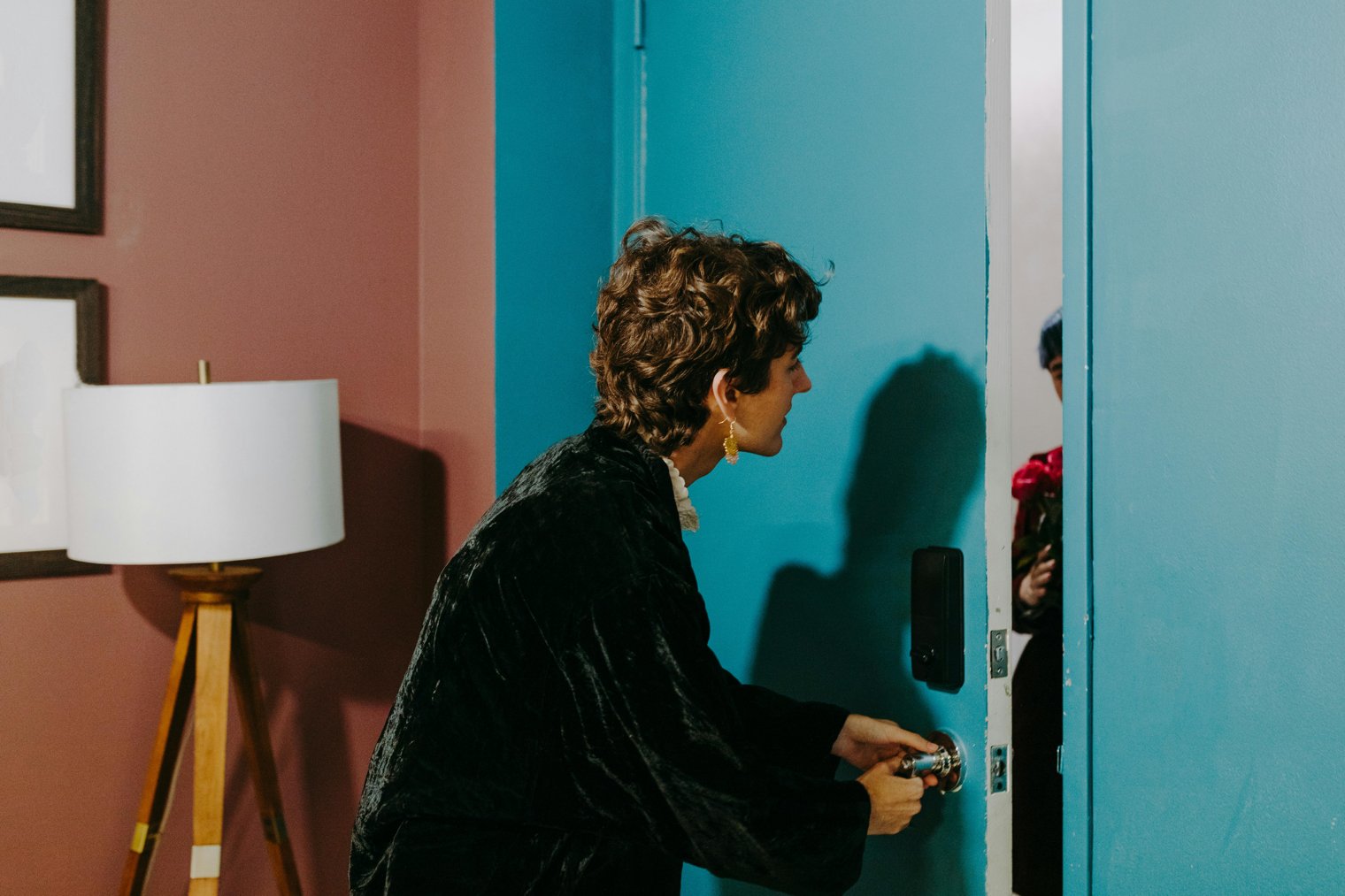
You showed up not because you had to, but because you needed to.
There’s a delicate line between showing support and overstepping. Visiting someone in the hospital when you're not a relative maybe a coworker, a friend, a neighbor means showing up quietly, respectfully, and knowing your role. It's about presence, not pressure. This scenario captures the awkward entrances, the unsure duration, and the quiet humanity of these in-between relationships that still matter deeply.
2:18 PM: You find parking and sit for a minute before heading in.
2:31 PM: You check in at the desk, unsure if you're even on a list.
2:42 PM: You walk into the room and give a small wave.
3:09 PM: You talk, or just sit, or both.
3:38 PM: You say “Get better soon,” and walk back out the same doors.
Urban General Hospital - 6th Floor Recovery Unit
Overview: Busy, mixed visitor flow, muted conversations.
Landmarks: Shared rooms, TVs on mute, vending machines near elevators.
Tips: Keep visits short unless invited to stay longer.
Community Medical Center (Suburban)
Overview: More intimate, slower pace, friendly front desk.
Landmarks: Local art on the walls, patient name signs on doors.
Tips: Bring something small-flowers, crossword book, a note.
Private Wing at Regional Hospital
Overview: Single rooms, more privacy, stricter entry protocols.
Landmarks: Hand sanitizer stations, nurse check-in kiosk.
Tips: Make sure they know you're coming; it's often appointment-based.
ICU waiting room (no direct visits but supportive presence).
Pediatric Ward: Visiting a friend’s sick child.
Oncology Center: Soft lighting, heavy mood.
Surgical Recovery Ward: Monitors and swelling.
Emergency Department Holding: Chaotic, brief.
Rehab Floor: Mixed with optimism and tiredness.
Trauma Unit: Tension in the air.
Heart Institute Recovery: Monitors everywhere.
Neurology Floor: Posters about brain health.
Burn Unit: Specialized, sensitive.
Geriatric Ward: Slower pacing, low voices.
Palliative Care: You’re there more for presence than words.
Maternity Floor: Visiting a friend’s newborn.
Outpatient Infusion Room: Short-term visits.
Chapel: Sometimes the most important visit happens here.
Cafeteria: Quick check-in over coffee.
Garden Courtyard: If allowed, outdoor chat.
Patient Transport Area: “I’ll walk you there.”
Recovery Room Near Radiology: Curtain dividers, brief glances.
Hospital Gift Shop: Cards, mints, and the right small thing.
Parking Garage Elevator Bay: Emotional recalibration station.
Public Lobby: The waiting begins here.
Visitor Info Desk: The map that never makes sense.
Pharmacy Pickup Desk: You pick something up for them.
Discharge Pickup Area: A visit becomes a ride home.
Quiet support, emotional nuance, boundaries, human decency, courage
1. Google Maps: Navigate to hospital
2. Uber: If they asked you for a ride
3. Lyft: Same role, different app
4. Starbucks: In-hospital branches
5. Panera Bread: Lobby-level food courts
6. Subway: Grab before or after visit
7. CVS: Cards, travel toiletries, water
8. Walgreens: Last-minute visit items
9. Amazon: Gift delivery if you couldn’t make it
10. DoorDash: Send them food later
11. Instacart: Groceries they’ll need once discharged
12. Hallmark: Cards with awkward but good intentions
13. Spotify: Play a song for them quietly
14. Audible: Help them set up a free trial
15. Netflix: Queue up something to laugh at
16. YouTube: Bring the world into the room
17. Pocket Casts: Share a light podcast
18. Target: Comfort items: socks, blanket, lip balm
19. Dollar Tree: Crossword book, pen, tissues
20. Trader Joe’s: Good chocolate, decent price
21. Gmail: Checking if they texted you back
22. Apple Messages: “I’m here if you need”
23. Twitter: Nervous tweet from hallway
24. Facebook: You see the update that prompted the visit
25. Instagram: A post about gratitude later
26. Slack: You’re technically still on shift
27. Apple Notes: Things you want to say but don’t
28. Google Docs: Letter you draft for them
29. NYTimes: You bring a folded paper
30. Reddit: r/cancer, r/caregivers
31. Trello: Task list that reminds you they matter
32. Calendly: Offer to help without back-and-forth
33. Cash App: Send them something discreetly
34. Venmo: Same thing
35. Zoom: If your visit is by video
36. FaceTime: An actual call, not just text
37. Google Calendar: Block time to check in again
38. Google Translate: Helping bridge family and staff
39. Chewy: If you offered to walk their dog
40. Nextdoor: Neighborhood check-in
41. OpenTable: You plan a recovery meal
42. Pinterest: Ideas on what to bring or say
43. LinkedIn: You saw their post from the hospital
44. YouTube Music: Low-volume encouragement tracks
45. Fitbit App: Their vitals or sleep shared with you
46. Google Fit: Monitor steps if you walked them
47. Care.com: Helping arrange aftercare support
48. TikTok: Shared a short laugh in the room
49. Apple Wallet: Visitor badge scanned
50. Healthline: You searched to understand their condition
1. CVS: Card, water, chapstick, candy.
2. Target: Cozy socks, lotion, bottled juice.
3. Dollar Tree: Tissue pack, simple puzzle book.
4. Amazon: Same-day delivery if visiting tomorrow.
5. Walgreens: Quick pharmacy visit combo.
6. Grocery Store Floral Section: Inexpensive blooms.
7. Gas Station Mart: Mints, bottled water.
8. Starbucks: Grabbed something on the way in.
9. Subway: Sandwich and napkins ready.
10. Hospital Gift Shop: Cards, plush, magazines.
• Valid ID: Some hospitals ask for it.
• Room Number: Written down or texted to you.
• Phone: In case you need to step out.
• Water Bottle: You’ll be parched fast.
• Small Gift: A gesture, not a statement.
• Mints or Gum: Nerves, or breath, or both.
• Tissues: For them or for you.
• Charger: You might stay longer than planned.
• Hand Sanitizer: Use it often.
• Comfortable Shoes: Hospital visits often mean walking.
CVS greeting cards (unexpectedly emotional)
Trader Joe’s dark chocolate (quietly thoughtful)
Apple FaceTime (remote check-ins done right)
• Emotional Weight: It can sit with you after.
• Visitation Limits: You might not get in.
• Feeling Out of Place: You're not “immediate.”
• Awkwardness: Not knowing what to say.
• Time Compression: Visits feel fast and slow at once.
• Noise: Beeping, coughing, chatter.
• Transit: Parking, walking, elevators—nothing is fast.
• Keep It Short: Let them rest.
• Bring Small: No big gifts or gestures.
• Text After: The check-in matters too.
• Offer Something: A ride, a chore, a follow-up.
• Be Present: You don’t need a speech.
• Read the Room: End early if needed.
• Visit Again: Even briefly, it builds trust.
• Switch to Calls: Still counts.
• Deliver Food: A way to stay connected.
• Write a Letter: If emotions feel too tangled.
• Plan Regular Check-Ins: Without overwhelm.
• Accept Boundaries: Show up how they need, not how you want.
Events
You must log in to add an event.
Events for this Scenario
No events found for this scenario yet.
Experiences
Please log in to share your experience.